Asia28 August, 20263 min read
Nepali Families Search for Missing Loved Ones After Glacial Collapse Floods on Nepal-Tibet Border
This article is an automated aggregation of coverage from news outlets. Our editorials offer in-depth analysis curated by the NewsCord team.
Thousands remain missing as floods from glacier collapse devastate border region. Families gather at hospitals, checking boards for missing relatives.

Missing after Nepal floods
Catastrophic flash flooding triggered by a glacial collapse sent a wall of water, mud and debris tearing through a valley on the border with Tibet, and Nepali families in Kathmandu searched hospital noticeboards for information about missing loved ones. ABC News & Headlines – Australian Broadcasting Corporation reported that almost 2,500 people are now missing in Nepal after the glacial collapse, while 517 bodies have been recovered on the Nepali side. At Kathmandu’s Tribhuvan University Teaching Hospital, crowds gathered at gates and desks as police and volunteers took names and numbers, and rain regularly arrived before faces on A4 reprinted victim photos could be recognized.
In Nuwakot, AP said helicopters arrived loaded with boxes and bags of aid as rescue efforts in communities buried by catastrophic flash floods along the Nepal-China border entered their fourth day Saturday, with families still waiting for news. AP reported that the combined toll in Nepal and Tibet rose to 691 dead and over 3,000 people missing after China’s latest update on Sunday, while Nepal’s disaster agency said late Saturday the death toll had climbed to 675 with 2,498 people missing.
Hospitals, lists, and pleas
In Kathmandu, families searched paper lists and hospital walls covered with posters bearing photos of bodies recovered and missing relatives, with many shuffling between help desks and noticeboards. AP described Dil Maya Lama weeping outside the help desk at the hospital as she searched for information about her missing 26-year-old brother, a driver for a hydropower company in Rasuwa, saying, “There is no information about him.” ABC News & Headlines – Australian Broadcasting Corporation said rescuers prioritized survivors because they “cannot bring all the bodies back,” so photos were taken instead, with victims’ faces sometimes washed away before reprinting.
In Nuwakot, AP said military personnel taped sheets of paper listing dozens of missing people to a wall at a relief center, and Rajesh Kumar Ram searched through a list for his son’s name while crying, “I’m hopeful, by chance, that my son is somewhere.” CBS News reported that at Nepal’s biggest hospital in Kathmandu, an outside wall was “all but covered in posters bearing the photos of bodies recovered from the calamity,” as families pleaded for any information about missing loved ones.
Border damage and next steps
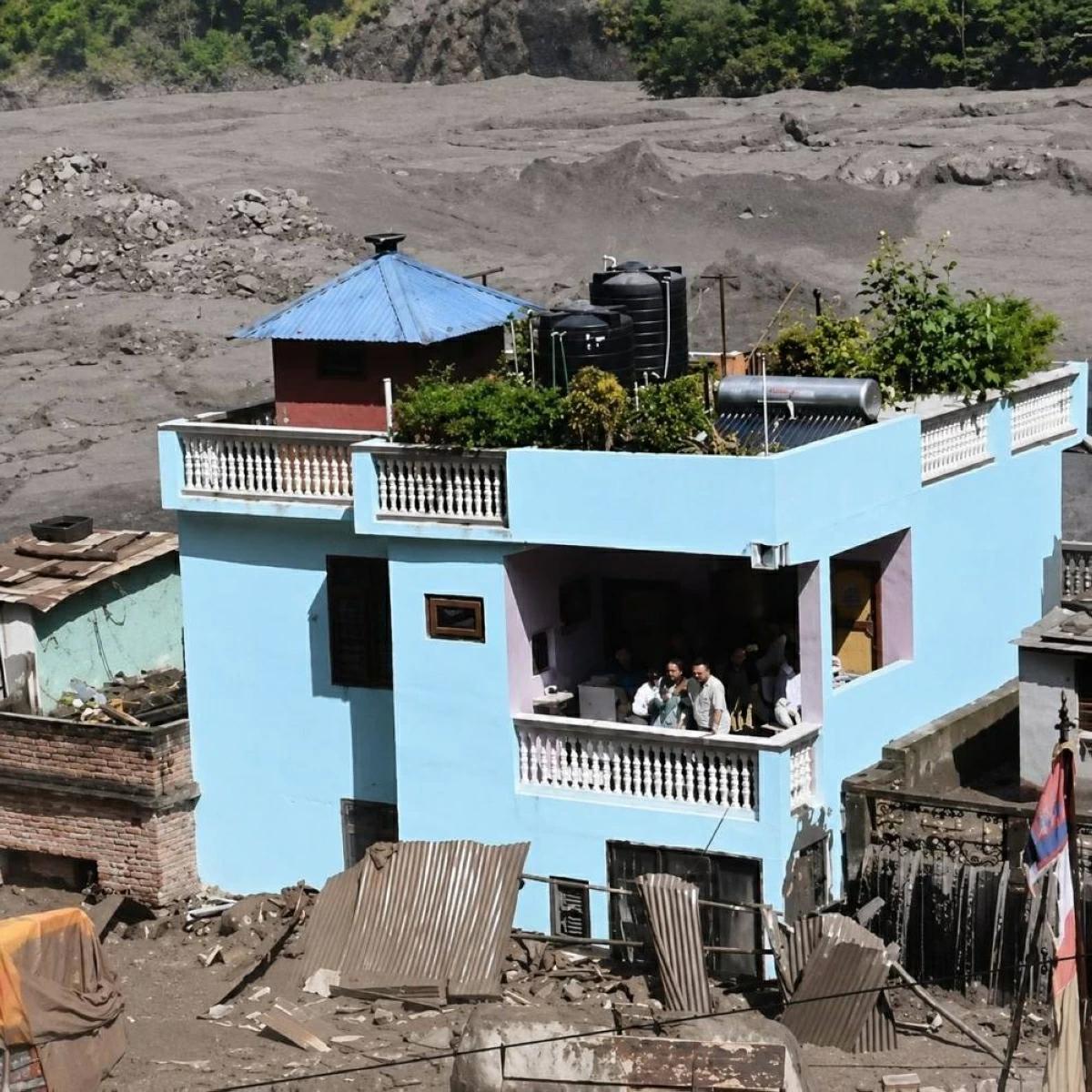
The disaster’s impact extended to the Nepal-China border crossing at Gyirong and Rasuwagadhi, where BBC said the Friendship Bridge linking Nepal and China was swept away along with Nepal’s immigration and customs facilities.
BBC reported that the immigration system recorded its final transaction at 8:35:03am local time (10:52am Tibet time), less than 10 minutes before the torrent appeared on the CCTV footage at Gyirong, and that four immigration employees, including the head of the Rasuwagadhi office, went missing in the floods.
In Kathmandu, ABC News & Headlines – Australian Broadcasting Corporation said the flooding destroyed roads and bridges so the worst hit areas were only accessible by helicopter, and that road access being cut made it “very restrictive” for the UN World Food Programme to assess needs.
AP said search and rescue efforts continued at several locations in Nepal and China’s Tibet, including the Upper Trishuli-1 Hydropower Project in Nepal’s Rasuwa district and the severely damaged Gyirong border crossing, with Nepali Army spokesperson Brig. Gen. Raja Ram Basnet saying rescue efforts would continue at the hydropower construction site where authorities believe more than 100 people were trapped in a tunnel filled with thick mud.
ABC News & Headlines – Australian Broadcasting Corporation added that the humanitarian staging area was built on experiences with previous natural disasters and in some areas allowed supplies to arrive within five hours of the emergency being declared, but getting aid to those most in need remained “incredibly difficult.”