Asiaupdated 2h ago2 min read
China and North Korea Open New Yalu River Bridge Linking Dandong and Sinuiju After 12 Years
This article is an automated aggregation of coverage from news outlets. Our editorials offer in-depth analysis curated by the NewsCord team.
Three-kilometre four-lane Yalu River Bridge connects Dandong to Sinuiju, opened after 12-year delay. Boost cross-border trade and Sino-North Korean rapprochement.
Bridge Opens After 12 Years
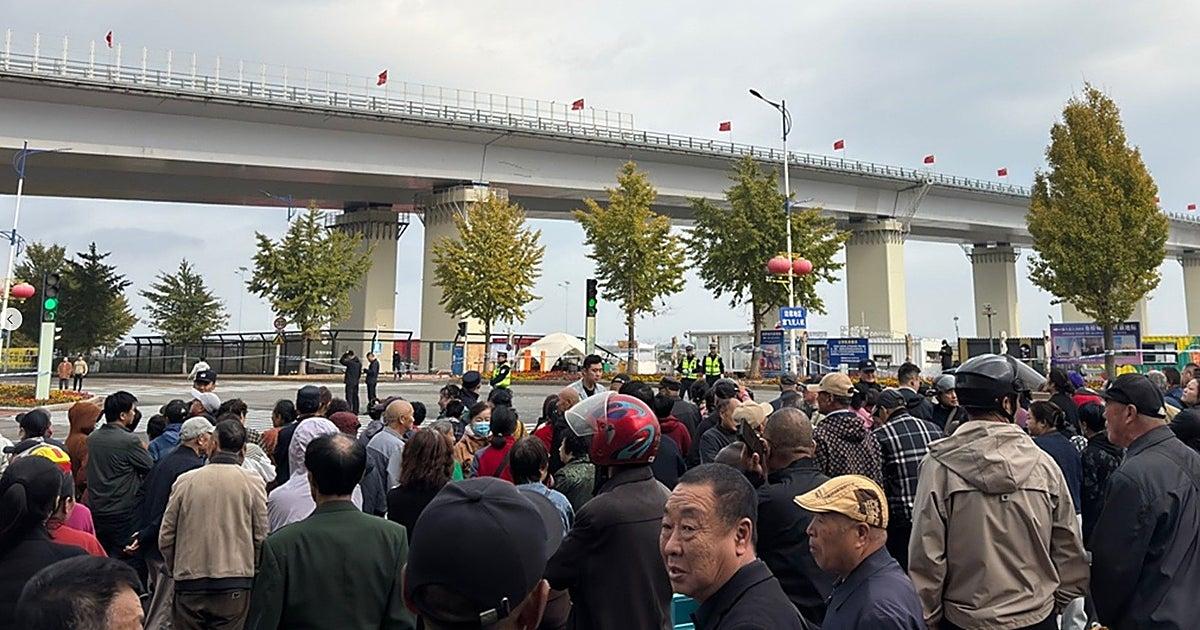
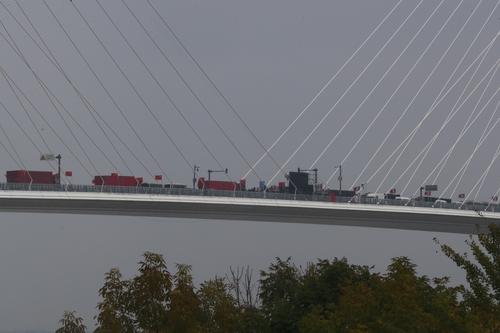
China and North Korea officially opened the New Yalu River Bridge after a 12-year delay, linking the Chinese border city of Dandong with Sinuiju in North Korea. Chinese Premier Li Qiang said in a video address that the bridge was a "new landmark symbolising the traditional friendship between China and North Korea" and that the two countries were "opening a new chapter" in bilateral ties. The bridge spans 3km from Dandong to Sinuiju and is set to become the main land route for trade between the neighbours, according to the BBC.
The bridge had been indefinitely postponed after North Korea halted construction of its roads and customs facilities, as relations with Beijing turned frosty, the BBC reported. The opening followed a completion in 2014, and the bridge had stood unused for 12 years because connecting roads and customs facilities on the North Korean side were not finished, Africanews said.
Trade Prospects and Limits
North Korea expert Lim Eul-chul at Kyungnam University estimated that the new crossing could triple or quadruple cargo traffic, particularly shipments of heavy machinery and construction materials. The Sino-Korean Friendship Bridge built between 1937 and 1943 during Imperial Japan's occupation of the region served as the decades-old alternative to the New Yalu River Bridge. A sharp and sudden increase in trade across the border is "unlikely" as the UN sanctions on North Korea remain in effect.
Kang Jun-young, a professor of Chinese studies at the Hankuk University of Foreign Studies, said "Pyongyang is also wary of a sudden flood of Chinese imports" that would expand China's influence over its domestic market. Air China resumed direct flights between Beijing and Pyongyang in March after a six-year hiatus triggered by the pandemic, and the two countries reopened passenger train services the same month.
Symbolic Step, Strategic Context
South Korea's Ministry of Unification official said the bridge opening represented the first concrete realization of the agreements reached between the two countries in June, according to Yonhap. Yonhap reported that North Korean leader Kim Jong-un had received Chinese President Xi Jinping in Pyongyang, and they pledged to elevate bilateral relations to a strategic level and to increase exchanges. The BBC said the relationship is often described "as close as lips and teeth", a remark first made by China's former leader Mao Zedong.
The BBC also said China remains North Korea's largest trading partner and a lifeline against heavy international sanctions over Pyongyang's nuclear weapons programme. The bridge opening came as North Korea and Russia had opened their first road bridge last month, and the BBC said that development strengthened US wariness and strengthened military alliances with South Korea and Japan.