Climateupdated 2h ago2 min read
Indonesia Wildfires Spread Toxic Haze, Forcing East Timor School Closures
This article is an automated aggregation of coverage from news outlets. Our editorials offer in-depth analysis curated by the NewsCord team.
Indonesia wildfires trigger toxic haze across Southeast Asia, disrupting schools and public health. Hazardous air quality in Kalimantan and Sumatra as fires rage.
Haze spreads, schools close
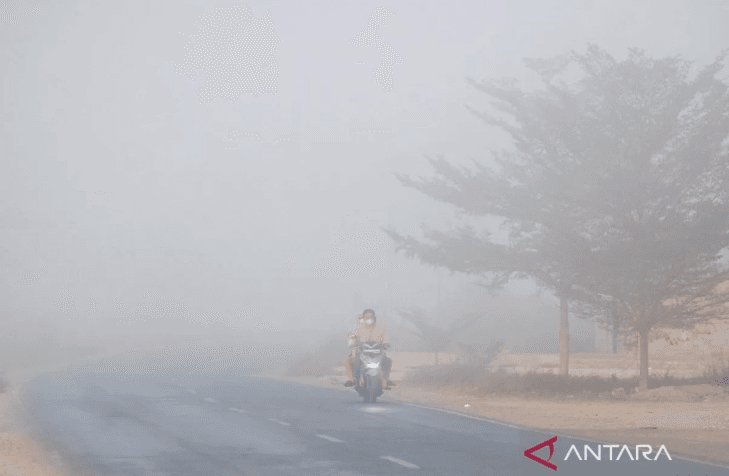
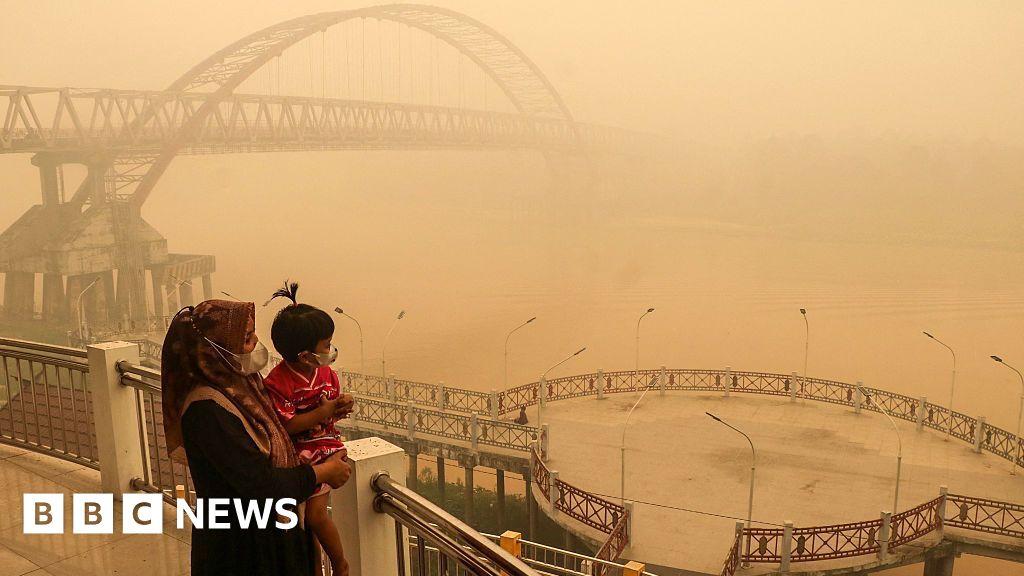
Thick haze turned the skies in Indonesia's Palangkaraya into apocalyptic shades of yellow and orange, reducing visibility to a few dozen metres as wildfires drove a regional air pollution crisis. East Timor began a three-day school closure prompted by the haze, while people in Dili described a yellow-tinged sky and said the pollution had been even worse earlier in the week.
Motorbike taxi driver Heri told AFP that "These past few days, the smoke has been thick, and since I work outdoors, I'm forced to breathe it in even though I wear a mask," and he said his eyes started to sting because of dust from burned debris. In Dili, midwife Sonya da Costa Soares said, "We can't see the sun, the pollution is heavy," and she added that keeping students home was "very important so that children are not put in danger."
El Nino, peatlands, hotspots
Indonesia's worst wildfire season in a decade has been intensified by an unusually strong El Niño, which has made the annual dry season wildfires especially intense. Nusantara Atlas recorded 1,043,377 wildfire hotspots in Indonesia, burning a total of 900,000 hectares of land.
Many of the fires in Indonesia's forests and peatlands are caused by the razing of vegetation to clear land, a practice known as "slash and burn." The haze is primarily caused by smoke and emissions from forest and peatland fires in Indonesia, particularly across Borneo and Sumatra, and the dry season generally lasts from April to October.

Sanctions, enforcement, tensions
Indonesian President Prabowo Subianto called for tougher sanctions against slash-and-burn farming, describing the practice as "ecological terrorism." Indonesian authorities suspended the operating licences of 26 companies linked to the wildfires and launched investigations into others, with officials vowing criminal cases would be taken to court.
Greenpeace named First Resources, a Singapore-based palm oil company, and First Resources told the BBC it maintained a "strict zero burning policy across all planting activities." Police officials indicated that 223 individuals and nine companies could face action over their alleged involvement in starting forest fires, while it also said the Indonesian government deployed more than 60,000 personnel for firefighting operations.