Climateupdated 1h ago3 min read
Report Finds 7 Million Hectares Cleared Worldwide in 2025, Still Far From 2030 Deforestation Goal
This article is an automated aggregation of coverage from news outlets. Our editorials offer in-depth analysis curated by the NewsCord team.
Global deforestation fell 15% in 2025, with seven million hectares lost. Gains fragile due to political shifts and El Niño risks undoing progress.
2025 Forest Loss Falls
A report assessment of the Climate Focus consulting firm, published with the contribution of more than 24 research organizations and civil society organizations, concluded that the world is still far from meeting the pledge to stop deforestation by 2030 even as the rate of forest cover loss declined last year. The report found that about 7 million hectares of forests were cleared worldwide during 2025, down 15% from 2024, but still above the 4.2 million hectares maximum consistent with the 2030 target. More than 100 countries pledged at the 2021 United Nations Climate Summit in Glasgow to halt deforestation by the end of the decade, and forests absorb about one-third of the annual carbon dioxide emissions produced by humans.
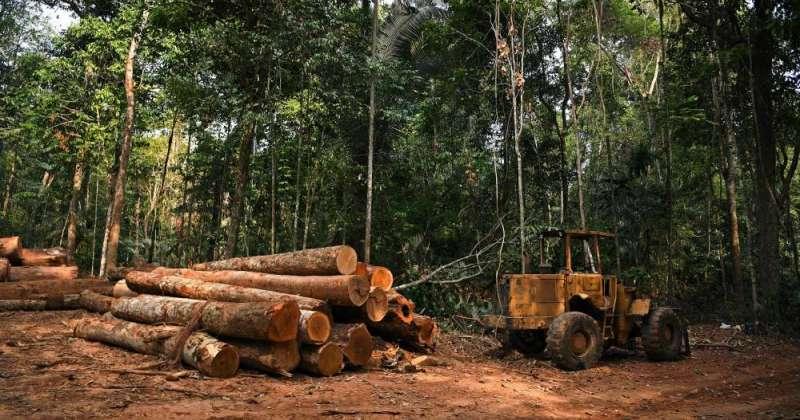
The report explained that tropical Africa lost 2.4 million hectares of forests in 2025, equal to 2.5 million hectares lost in tropical Latin America, and it said there were no signs of a slowdown in deforestation rates in the Congo Basin. Agricultural expansion, logging, and mining are among the main causes of deforestation in the Congo Basin.
Fragile Gains, El Nino
Climate Home News said Latin American governments cracked down on forest clearing in 2025, leading global deforestation to fall by the most this decade, but it warned that political shifts and the likely impact of a strong El Niño threaten to undo those “fragile” gains. Researchers cautioned the world remains 70% off track from fulfilling the pledge, and deforestation in tropical Africa, home to the Congo Basin, kept rising. Erin Matson, a lead consultant at Climate Focus and one of the report's authors, said the slowdown in the rate of deforestation “is welcome news,” but she added that last year’s figures “look good in part because previous years look so bad”.
The Straits Times said the slowdown in 2025 was not enough to keep the world from missing a pledge to end deforestation by 2030, and it cited the report’s warning that an exceptionally strong El Nino weather pattern intensifies. Matson said, “We can’t fully predict the future but it’s unlikely, I would say, that in 2026 we’ll see the same kind of reductions (in deforestation) that we saw last year.”
Elections and Irreversible Loss
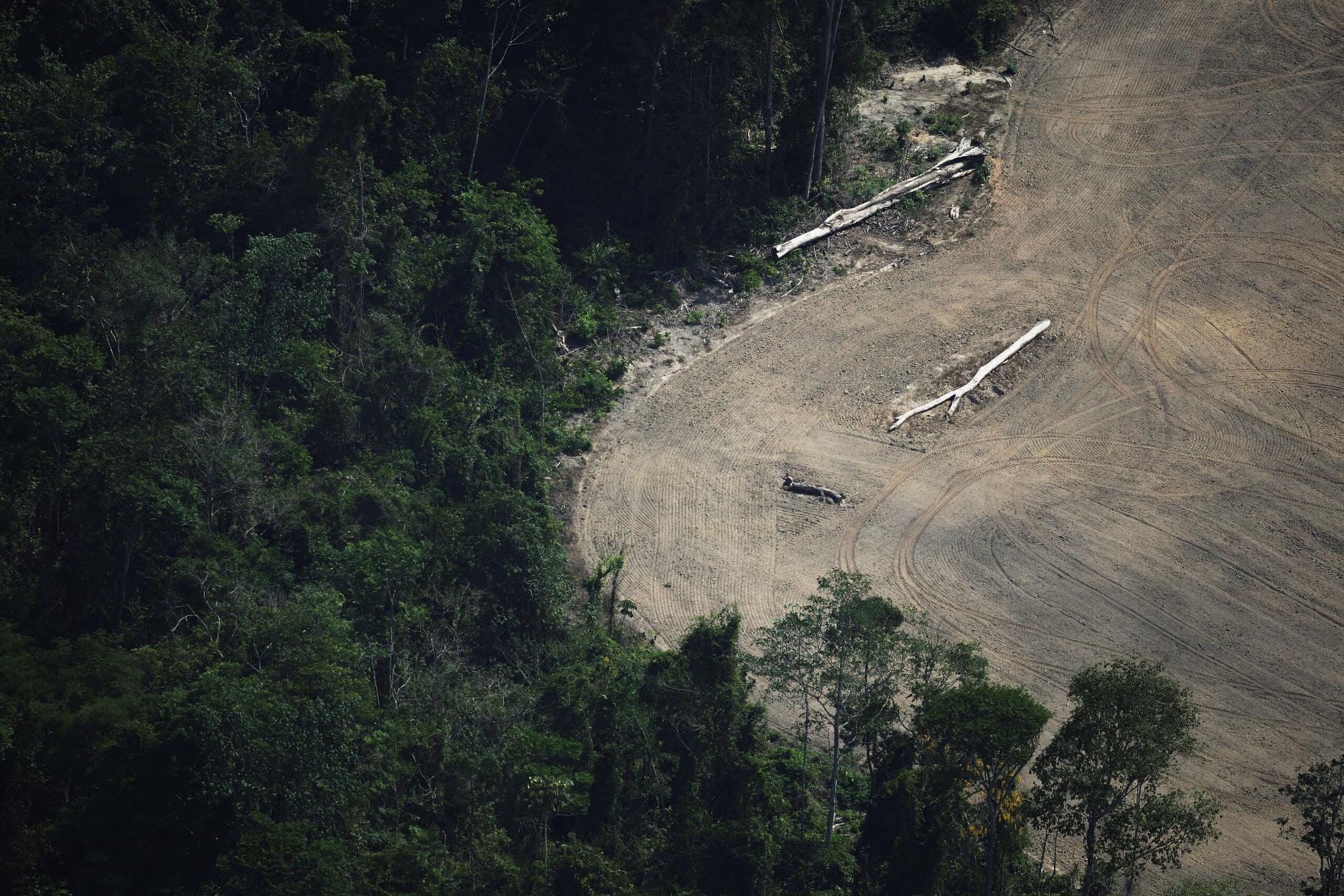
The Straits Times said Brazil’s left-wing leader, Luiz Inacio Lula da Silva, faces populist right Senator Flavio Bolsonaro in a runoff presidential election on Oct 25, and it linked the outcome to how vulnerable progress could be. Deforestation had surged under the administration of Jair Bolsonaro’s father and progress could also be threatened in Colombia and Peru, where hard-right presidents were recently elected. The Straits Times said rainforest loss reached 2.4 million hectares in the Congo basin, near the same level of deforestation as the Amazon for the first time, and it quoted Sam Nguiffo saying, “Losing such a size of forest every year is a disaster”.
Nguiffo added that “As humanity, we clearly cannot afford that because it will be totally irreversible,” and he said logging for timber or felling trees for agriculture or mining appear to prevail in forest management in Central Africa. El Nino effects are described as a threat because their effects include droughts that create conditions for wildfires, and the current El Nino event emerged in June and is expected to peak later in 2026.