Climate09 October, 20262 min read
National Park Service Closes Halema'uma'u Trail as Kīlauea Seismic Activity Raises Rockfall Concerns
This article is an automated aggregation of coverage from news outlets. Our editorials offer in-depth analysis curated by the NewsCord team.
Halema'uma'u Trail and Byron Ledge Trail closed due to increased seismic activity at Kīlauea summit. Closures cover about 1.3 miles of trail.
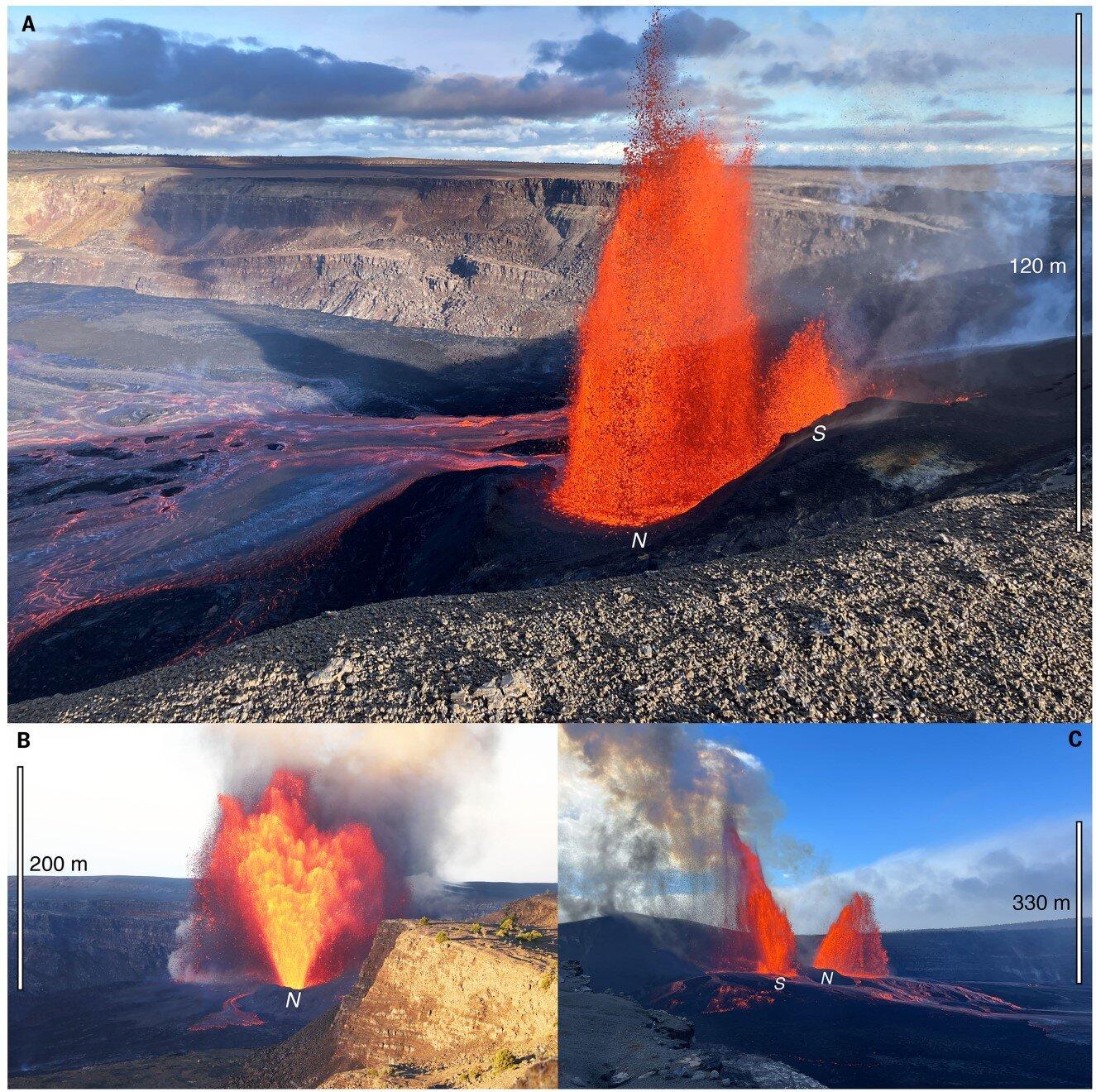
Trails close as Kīlauea swells
The National Park Service closed Halema'uma'u Trail and parts of Byron Ledge Trail at Hawai'i Volcanoes National Park because increased seismic activity at the summit of Kīlauea raised rockfall concerns.
The National Park Service said, "The trail closure is a total of 1.3 miles," and it also closed viewing areas on the Keanakākoʻi side of the caldera for safety last week.
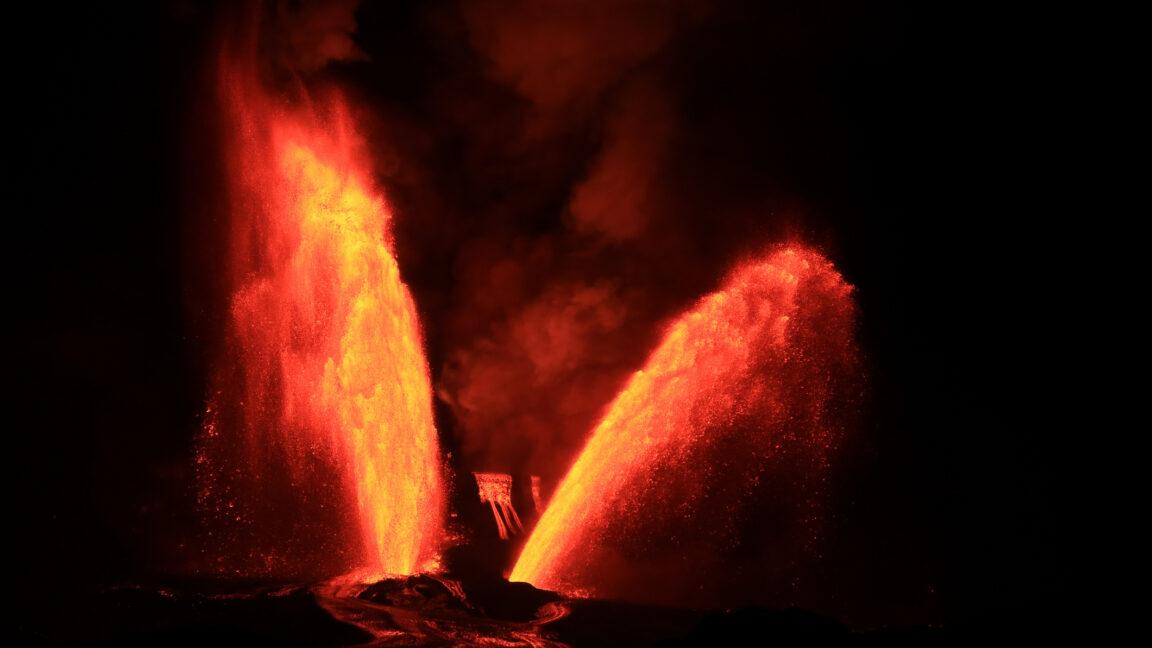
The U.S. Geological Survey reported that, "In the past 24 hours, there were 6 shallow earthquakes located across the summit region of Kīlauea," as renewed spattering continued at two vents.
The U.S. Geological Survey and the Hawaiian Volcano Observatory said the summit of Kīlauea felt more than 200 earthquakes over the past week, and they said scientists cannot forecast when, or if, the volcano's 55th episode of lava fountaining will occur.
Forecast limits and hazards
The U.S. Geological Survey said, "Forecast windows for episode 55 fountaining can no longer be modeled due to changes in conditions," as officials monitored renewed volcanic activity.
The National Park Service urged visitors to stay out of closed areas and away from unstable cliff edges, which can collapse without warning.

The U.S. Geological Survey warned that potentially dangerous gas emissions and small, glassy volcanic fragments could irritate the skin and eyes, and it said, "Small glassy volcanic fragments may be remobilized during windy conditions following recent eruptive episodes."
The National Park Service and the Hawaiian Volcano Observatory said more than 200 shallow earthquakes were recorded beneath Kīlauea's summit during the past week, and a magnitude-3.4 earthquake on Sept. 30 triggered small rockfalls along the caldera's north wall.
Science seeks better timing
A team of geologists published in Science that Kīlauea's swelling summit helps scientists forecast lava fountain eruptions by tracking how the summit slowly swelled between episodes and rapidly deflated during fountaining. The study said that, as of September 2026, Kīlauea's late-2024 sequence had produced 54 episodes, and it described the highest fountains reaching about 480 meters (1,570 feet).
The study authors wrote, "Although the livestreams reached a global audience, they were used most heavily by Hawaii residents," and it said the webcams' value helped local communities communicate near-real-time hazards. The study authors also wrote, "The eruption's outcome remains unknown," while they said continued monitoring would help constrain how magma and gas recharge, reservoir pressure, conduit connectivity and permeability, and volatile segregation and outgassing produce episodic fountaining.