Climate07 October, 20262 min read
Dutch NGO Files EU Complaint Accusing New Zealand Of Weakening Climate Rules
This article is an automated aggregation of coverage from news outlets. Our editorials offer in-depth analysis curated by the NewsCord team.
Dutch NGO Both ENDS lodged the first EU trade-compliance climate complaint against New Zealand Complaint claims NZ weakened climate regulations, breaching environmental provisions of EU-NZ Free Trade Agreement
EU complaint filed
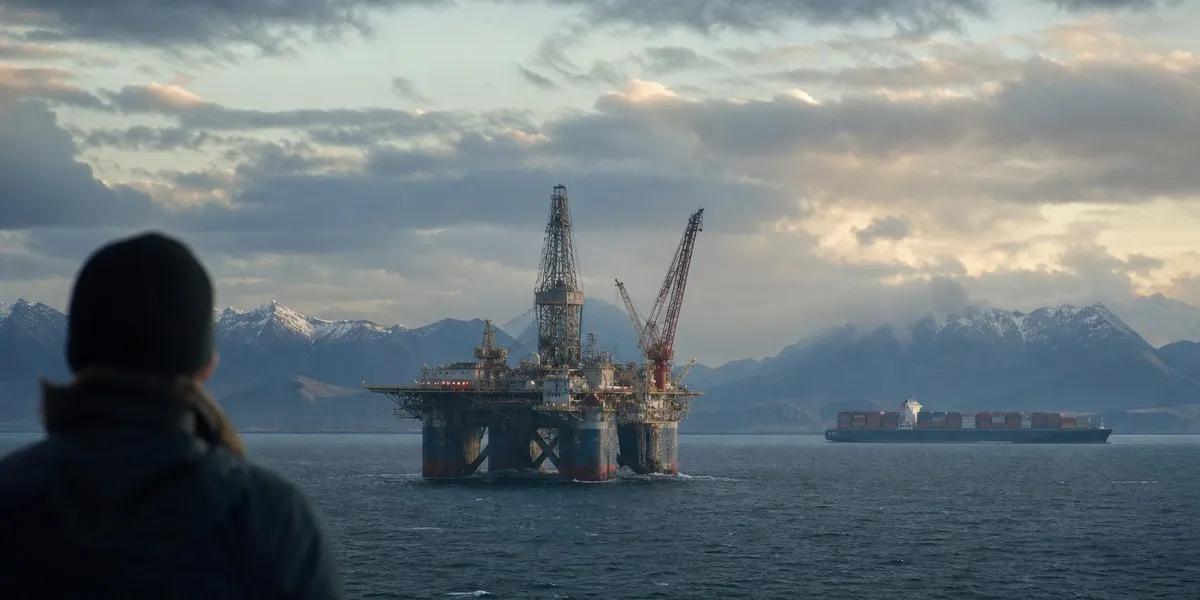
A Dutch NGO filed the first climate complaint under European Union trade rules, accusing New Zealand of breaching the environmental provisions of its free trade agreement with the bloc by weakening its climate regulations. Both ENDS said the New Zealand government violated commitments by restoring the possibility of oil and gas exploration in the country’s waters, presenting a climate plan with minimal emissions-reduction requirements, and adopting a law that hinders lawsuits against corporations over climate damage.
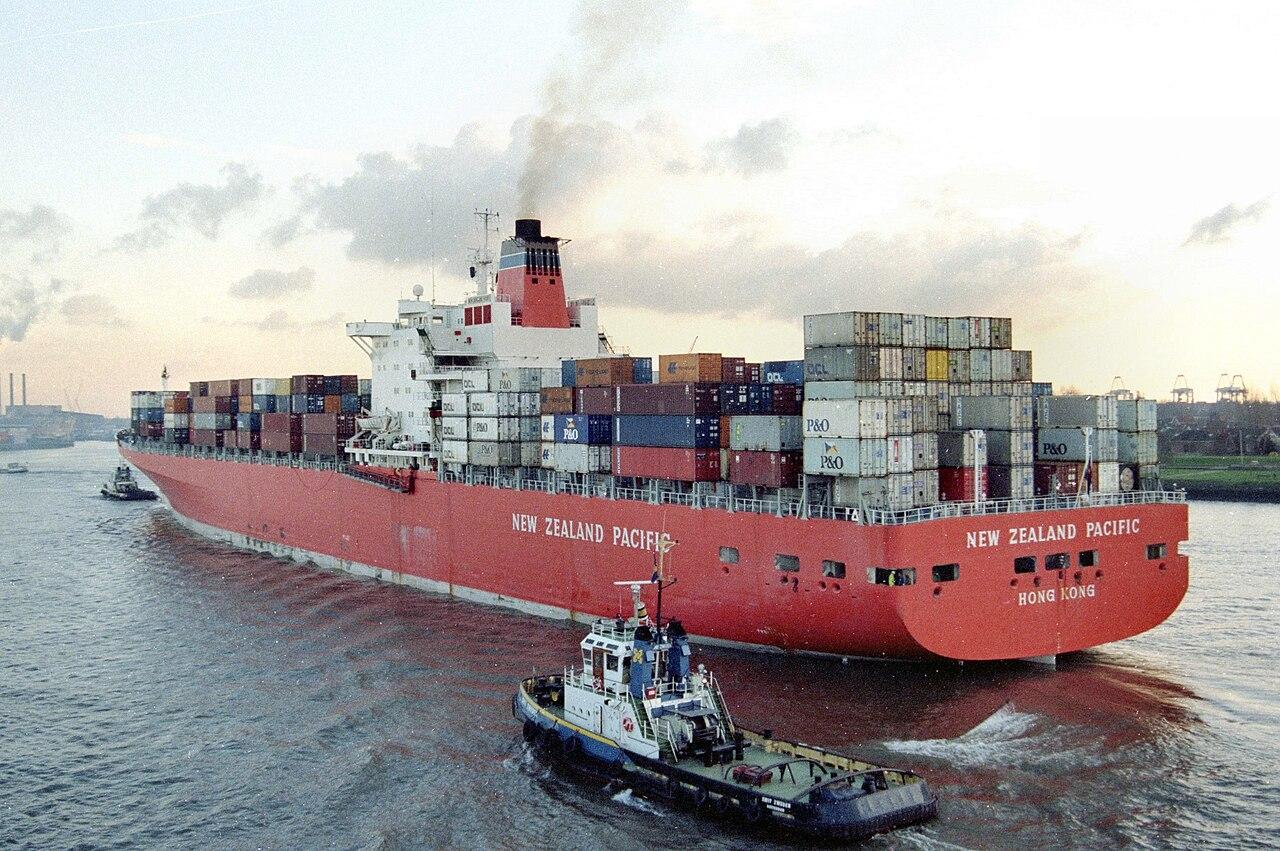
The European Commission said it will start a preliminary assessment of the complaint and engage with NGO Both ENDS, while a spokesperson for New Zealand’s Ministry of Foreign Affairs and Trade denied any violations and said the government had not received formal notice of the complaint. The EU-New Zealand free trade agreement entered into force in 2024, and the deal includes legally-binding climate provisions and possible sanctions for violating them, with both parties committing not to weaken environmental law to promote trade or investment and to "refrain from any action or omission that materially defeats the object and purpose of the Paris Agreement".
Process and political fight
The complaint was filed through the European Commission’s Single Entry Point mechanism, which allows civil society to request enforcement of the bloc’s trade commitments. Eliza Prestidge-Oldfield, a senior legal researcher at the New Zealand-based Environmental Law Initiative, said that if the EU upholds the complaint, both parties would begin a negotiation process aimed at resolving the issue by acknowledging areas where New Zealand needs to change its actions.
Trade Minister Todd McClay maintained New Zealand is compliant with the deal, and he told Newsroom Pro that "We haven’t breached any rules, we’re absolutely committed to climate action, to climate mitigation, we’re committed to the Paris Accord". University of Canterbury professor of political science and international relations Bronwyn Hayward said the case is a "high stakes" and "very serious landmark case" that would be watched very closely by trade partners and countries around the world.

What is at risk
The complaint frames the dispute around commitments in the EU-NZ free-trade agreement not to weaken environment protections and to meet Paris Agreement commitments, and it seeks compliance rather than suspend trade. The most extreme consequence described in the expert reaction is that New Zealand could lose access to the European market if the complaint is upheld, and Professor Alexander Gillespie said the first major costs would be "in negative publicity for NZ" before any government-to-government consultations.
Gillespie also said it is an open question whether New Zealand is currently in breach of its obligations, adding that "the architecture around them (from stopping the Smith case, weakening targets, and reversing earlier exploration goals) is collapsing". The stakes are tied to the EU’s ability to enforce the agreement’s climate provisions, with the EU-New Zealand deal including the possibility of suspending beneficial trading arrangements in response to serious violations, and the commission’s preliminary assessment now set to determine whether the complaint moves forward.