Pakistan30 October, 20252 min read
Pakistan Forces Kill Over 500 Separatist Fighters in Balochistan This Year Amid Escalating Insurgency
Pakistan security forces killed 18 militants linked to Fitna al Hindustan in October operations Over 500 militants have been killed in Balochistan this year amid escalating insurgency
12 outlets told this the same way.
Outlets did split on Tehrik-E-Taliban Pakistan Suicide Attack Kills At Least 27 in Kohat Mosque Blast →
Counterterrorism Efforts in Balochistan
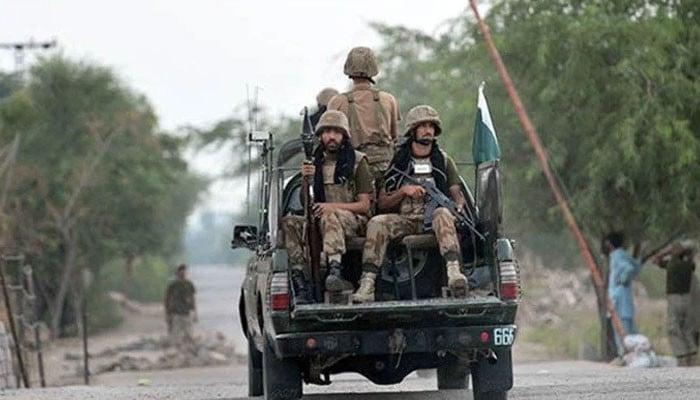
Pakistan’s Balochistan chief minister Mir Sarfaraz Bugti says security forces have killed over 500 militants this year amid an intensifying separatist insurgency. Islamabad highlights fresh operations that killed at least 18 terrorists from the India-linked group Fitna al-Hindustan in Quetta and Kech at the end of October. West Asian outlets focus on Bugti’s push to consolidate counterterrorism and rapid-response units under a unified police structure, boost pay and welfare, and enforce merit-based, depoliticized recruitment.
“He reported that over 500 militants have been killed this year as separatist insurgency intensifies in Pakistan’s largest and poorest province.”
There is also an emphasis on local policing and community intelligence in these efforts. Pakistani outlets foreground the kinetic campaign Azm-e-Istehkam, leadership praise for the forces, and the portrayal of the targeted network as Indian-sponsored or India-backed.
Details of Pakistani Military Operations
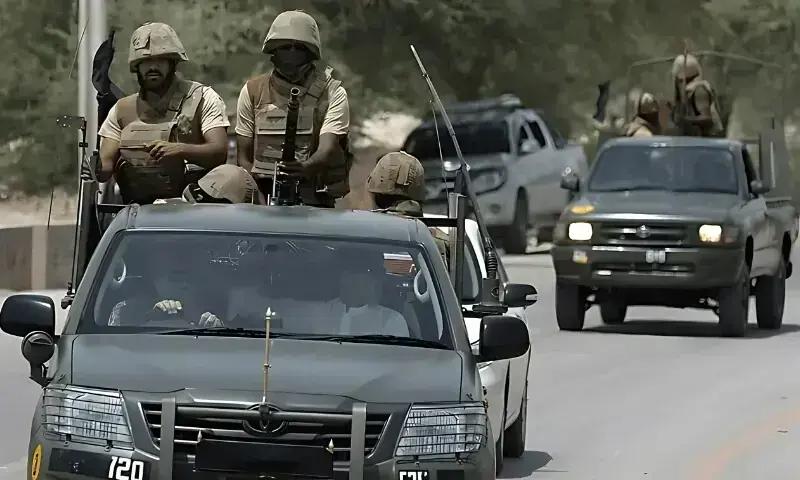
Details of the late-October operations are consistent across Pakistani outlets. Fourteen militants were killed after a firefight in Quetta’s Chiltan Mountains and four more in Buleda, Kech. A hideout was dismantled and weapons and explosives were recovered.
Media attribute the claims to Pakistan’s military public affairs directorate (ISPR). Many reports explicitly situate these actions within the nationwide campaign Azm-e-Istehkam to eliminate "foreign-sponsored" and "India-backed" terrorism in Balochistan.

Military Operations and Casualties
Even as the state highlights battlefield successes, multiple sources emphasize the human cost for Pakistani forces. Reports describe the sacrifice of Captain Noman/Nauman Saleem and five other soldiers in intense combat. Separate raids in Balochistan resulted in the deaths of 18 militants.
“During intense clashes, Pakistani security forces killed seven militants but suffered casualties, including the martyrdom of Captain Nauman Saleem, a 24-year-old medical officer from Punjab, and five soldiers from various regions.”
This focus on sacrifice corresponds with Bugti’s recognition of losses on both sides. It illustrates how counterinsurgency efforts combine attrition with claims of control.
Causes of Regional Violence Surge
Outlets differ on the reasons behind the increase in violence. Several attribute the rising attacks to regional dynamics following the Afghan Taliban's takeover in 2021, with Islamabad accusing cross-border shelter for militants. Others link the violence to the end of the TTP ceasefire in 2022.
Some broaden the perspective to include escalating tensions with India and diplomatic activities through Islamabad. One report describes cross-border clashes, Pakistani strikes inside Afghanistan, a brief ceasefire mediated by Qatar and Turkey, and unsuccessful follow-up talks in Istanbul.

Security Reforms in Balochistan
Bugti’s plan in Balochistan goes beyond raids by unifying counterterror and rapid-response units under police command. Authorities are offering voluntary retirement to Levies who won’t transfer, improving pay and welfare, and insisting on merit-based hiring free of political influence. He stresses local policing and community intelligence to restore security in a province crucial for mineral wealth and the China-Pakistan Economic Corridor.
“The government is consolidating counterterrorism and rapid-response units under a unified police structure, offering voluntary retirement to paramilitary Levies Force members who do not transfer, and improving police morale through better pay and welfare for officers' families.”
Federal messaging highlights Azm-e-Istehkam and a National Action Plan-backed push against militancy described as “foreign-sponsored.” Bugti and allied coverage convey both confidence and severity, ranging from promises of stability to claims of “daily killings of hardcore terrorists.”
