Other · 08 August, 2026 · 3 min read
Hakan Fidan Says Turkey, Pakistan, Saudi Arabia Pact Mirrors NATO Article 5
Mecca pact mirrors NATO Article 5 mutual defense; not directed at Iran. Egypt could join; expansion beyond Turkey, Saudi Arabia, Pakistan is envisaged.
Whether the pact’s response is automatic vs conditional.
11 of 13 outlets skipped it: iranian officials say the pact is a ‘paper agreement’.
17outlets compared
Same story, two versions
tap a side to read it in full
Al Jazeera
“A country under attack would have to request assistance and specify what kind of support it needed”Read the original ↗
Al Jazeera adds conditional assistance details; Jerusalem Post highlights automatic Article 5-style wording
Mecca pact and NATO Article 5
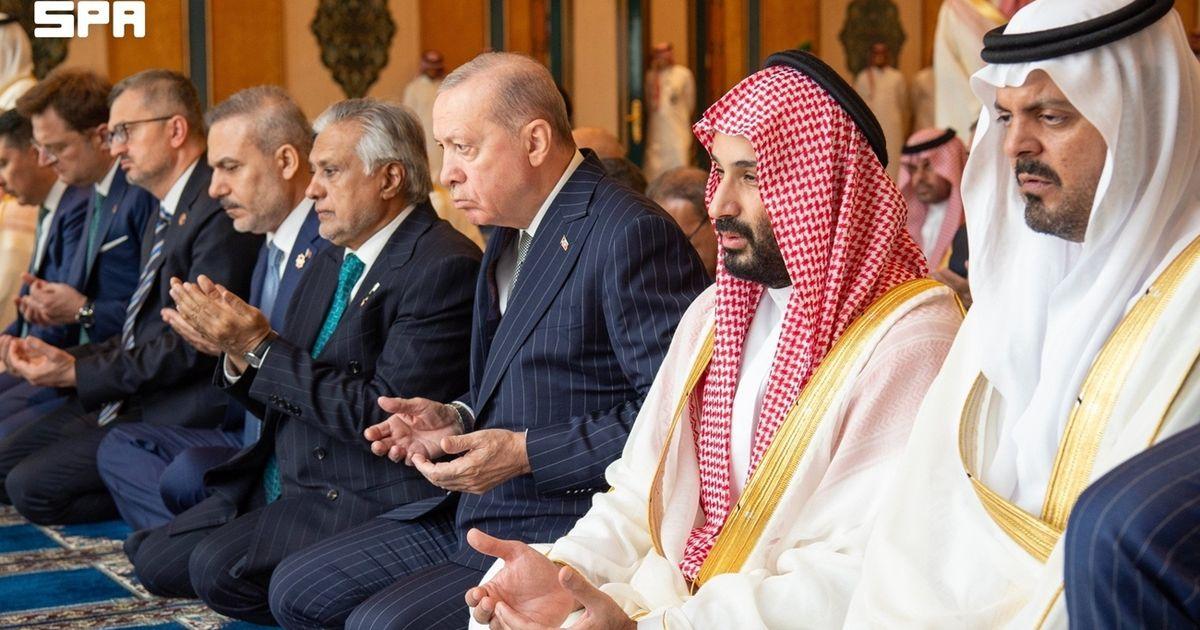
Turkish Foreign Minister Hakan Fidan said on Saturday that a defense pact signed between Turkey, Pakistan and Saudi Arabia is technically the same as NATO's Article 5 mutual defense agreement, and he added that the accord was not targeting Iran. Fidan told Anadolu that the Mecca Joint Defence Agreement signed on Friday would treat “an armed attack against any of the three” as an attack on all, while the degree, form, and format of support would be decided through consultations. Reuters reported that the pact was signed in Saudi Arabia on Friday, with Saudi Crown Prince Mohammed bin Salman, Turkish President Recep Tayyip Erdogan, and Pakistani Prime Minister Shehbaz Sharif among the leaders involved.
The agreement also includes a committee of ministers similar to NATO, and a general secretariat based in Saudi Arabia, according to Reuters’ account of Fidan’s remarks. Reuters further said Fidan described Egypt as a potential candidate to join once “certain technical matters are resolved,” while Turkey’s participation was also tied to maritime security in the Red Sea from Houthi attacks.

Egypt’s possible entry
Multiple outlets reported Fidan saying Egypt could join the Mecca Joint Defense Agreement after technical issues are resolved, with Türkiye Today describing the pact as open to new members with the consent of the founding countries. Türkiye Today quoted Fidan saying, “Our president's vision is for this initiative not to remain limited to three countries, but to grow and, if necessary, bring all countries under this umbrella,” as it described the agreement’s ministers’ committee and Saudi-based secretariat. Ynetnews similarly said Fidan told Turkey’s state-run Anadolu agency that Cairo was a potential addition to the pact once several technical issues are resolved, and it described the agreement as modeled on NATO’s Article 5 principle.
Al Jazeera also framed the issue as part of a broader effort to expand the initiative beyond its three founding members, while noting that for now practical details remained to be worked out, including how the three militaries would coordinate in a crisis. AIn contrast, Al-Araby Al-Jadeed reported Egyptian sources saying Cairo does not consider joining the agreement signed in Mecca a priority and expects it will not join in the near term, citing concerns about Yemen and the Red Sea.

Iran denials and regional stakes
Fidan repeatedly rejected the idea that the Mecca defense pact is aimed at Iran, with Al Jazeera quoting him saying, “There is no common threat that we have put in writing.” Al Jazeera also reported that Fidan described the pact as “technically” similar to NATO’s Article 5, but said the response would depend on circumstances and that a country under attack would have to request assistance and specify what kind of support it needed. AReuters likewise said Fidan added the accord was not directed against Iran or any other country, and it described the pact as a general pledge to support the three allies' security.
The Jerusalem Post reported Fidan telling Anadolu that the defense pact mirrors NATO's Article 5 mutual defense agreement and that the accord was not targeting Iran, while it also quoted the agreement’s principle that “An attack against one is an attack against them all.” TIn parallel, Reuters said the pact was signed as regional tensions included Iranian missile fire onto Gulf oil exporters, and it tied Fidan’s remarks to Turkey’s push for an international coalition to protect shipping in the Red Sea from Houthi attacks.