Asia · 08 August, 2026 · 3 min read
Iran Demands U.S. Withdraw Naval Blockade, Unfreeze Assets, End Conflict to Reopen Strait of Hormuz
Iran demands U.S. lifting blockade, sanctions, withdrawal, reparations, and release of assets. Iran says Strait will reopen only after U.S. accepts all conditions.
22 outlets told this the same way.
Outlets did split on Violence Kills Three in Cotabato City as Philippines’ BARMM Parliamentary Election Begins →
12 of 13 outlets skipped it: pentagon asked contractors to ramp up weapons production.
NBC News was read line by line by the Watchdog: 2.4. See the score →
22outlets compared
Hormuz demands and blockade
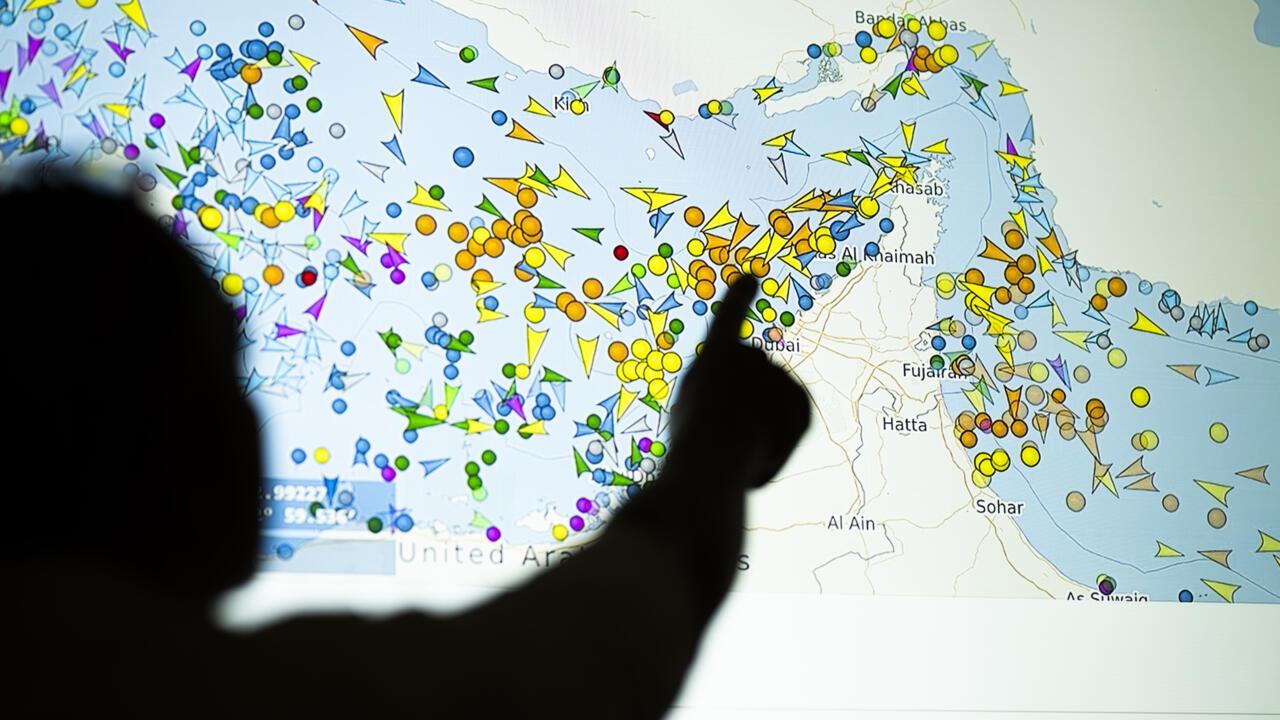
Iran set out steep conditions for reopening the Strait of Hormuz, with Iranian Foreign Minister Abbas Araghchi saying there are no ongoing negotiations between Tehran and Washington and that “changes to maritime routes in the Strait of Hormuz are a technical and legal matter and do not mean that the Strait of Hormuz has been reopened.” Araghchi’s statement came after Iran’s Supreme National Security Council secretary Mohammad Bagher Zolghadr laid out demands carried by Iranian state media, including that the U.S. must withdraw its naval blockade, pay Iran damages for the war, unfreeze Iranian assets, lift sanctions on Tehran and permanently end the conflict against Iran and its regional allies. NBC News said the stalled negotiations have left the Strait of Hormuz “largely impassable for months, save for brief periods of operation,” while CNN reported the Pentagon asked U.S. defense companies to ramp up production as stockpiles run low during the Iran war.
“The Pentagon has asked the US defense industry to ramp up production as stockpiles run low during the Iran war.”
CNN also quoted President Donald Trump saying, “We are low-keying it,” and described the White House as emphasizing economic pressure on Iran while the strait remains a primary flashpoint. In parallel, Sky News reported Iranian officials said a deal on shipping with Oman is in the “final stages,” while also insisting Tehran is not involved in direct talks with Washington.

Oman talks, U.S. response
Iran and Oman discussions have raised hopes of a management agreement, but Araghchi said the Oman track does not equal reopening, telling NBC News that “changes to maritime routes in the Strait of Hormuz are a technical and legal matter and do not mean that the Strait of Hormuz has been reopened.” NBC News reported that the U.S. has yet to respond publicly to Iran’s list of conditions, while CNN said Trump told Axios, “We are low-keying it,” and described Washington as “only semi-negotiating” with Iran. Sky News said former Iranian chief justice Ayatollah Amoli Larijani told Tasnim that Tehran will never retreat from the Strait of Hormuz, adding that sovereignty over the waterway “lies with the Islamic Republic.”
ABC News said messages between the United States and Iran were being passed “through intermediaries,” with an Iranian official telling state media that “the process should not be called negotiations.” The BBC reported that Mohsen Rezaei was appointed as the Leader’s representative on the Supreme National Security Council, in a written decree attributed to Ayatollah Khamenei, as the council’s resolutions require approval by the Leader.
Regional attacks and oil stakes
As the Strait of Hormuz dispute persists, the sources describe continued pressure across the region, with CNN saying Yemen’s Houthi militant group claimed new strikes targeting Saudi Arabian forces in Yemen and a major oil refinery.
CNN reported that Yemen’s government armed forces said they “thwarted a treacherous terrorist attack by the Houthi militia,” after forces intercepted an “explosive-laden drone boat” targeting the commercial port of Mocha on the Red Sea.
France 24 said Israeli Prime Minister Benjamin Netanyahu rejected the 15-point Gaza plan promoted by U.S. President Donald Trump and stressed that the Israeli military would not withdraw from Palestinian territory until Hamas is “genuinely” disarmed, while also noting Iran’s Revolutionary Guards position that the Strait of Hormuz would not be reopened until the U.S. accepts Tehran’s conditions.
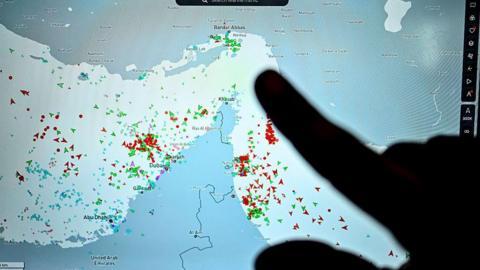
CNBC linked the Hormuz standoff to market disruption, saying ship traffic through Hormuz was down 33% on Friday compared to the day prior, according to the trade intelligence firm Kpler, and cited Brent crude futures gaining more than 1% to close at $83.55 a barrel.
DW reported that the Revolutionary Guard said Iran will reopen the Strait of Hormuz once the US “corrects its behavior” and accepts Iran’s conditions, while also stating that the reopening “does not depend on how talks with Oman develop.”