Iran · 08 August, 2026 · 3 min read
Iran Says Strait of Hormuz Stays Closed Until U.S. Meets Sweeping Demands
Strait of Hormuz remains closed until the United States accepts Iran’s terms. Iran demands end to U.S. threats, lifting sanctions, withdrawal, and compensation.
Iran-Oman talks described as close to agreement vs not a reopening signal.
11 of 12 outlets skipped it: shipping crossings are down and few crude tankers cleared.
12outlets compared
Same story, two versions
tap a side to read it in full
Anadolu Ajansı
“Iran and Oman are "very close" to reaching an agreement on a new shipping route”Read the original ↗
Euronews
““nearing final stages,” but warned that “this is not a signal of reopening”Read the original ↗
Frames how likely reopening is; one stresses closeness, the other stresses denial of reopening.
Hormuz stays shut
Iran said the Strait of Hormuz would remain closed until the United States met sweeping conditions, with Mohammad Baqer Zolghadr, secretary of Iran's Supreme National Security Council, issuing the statement that Washington must end what Iran described as its hostile behavior.
The demands include an end to U.S. threats and military action, a permanent end to the war, withdrawal of U.S. naval and air forces from around Iran, compensation for war damages, sanctions relief, and the release of frozen Iranian assets.

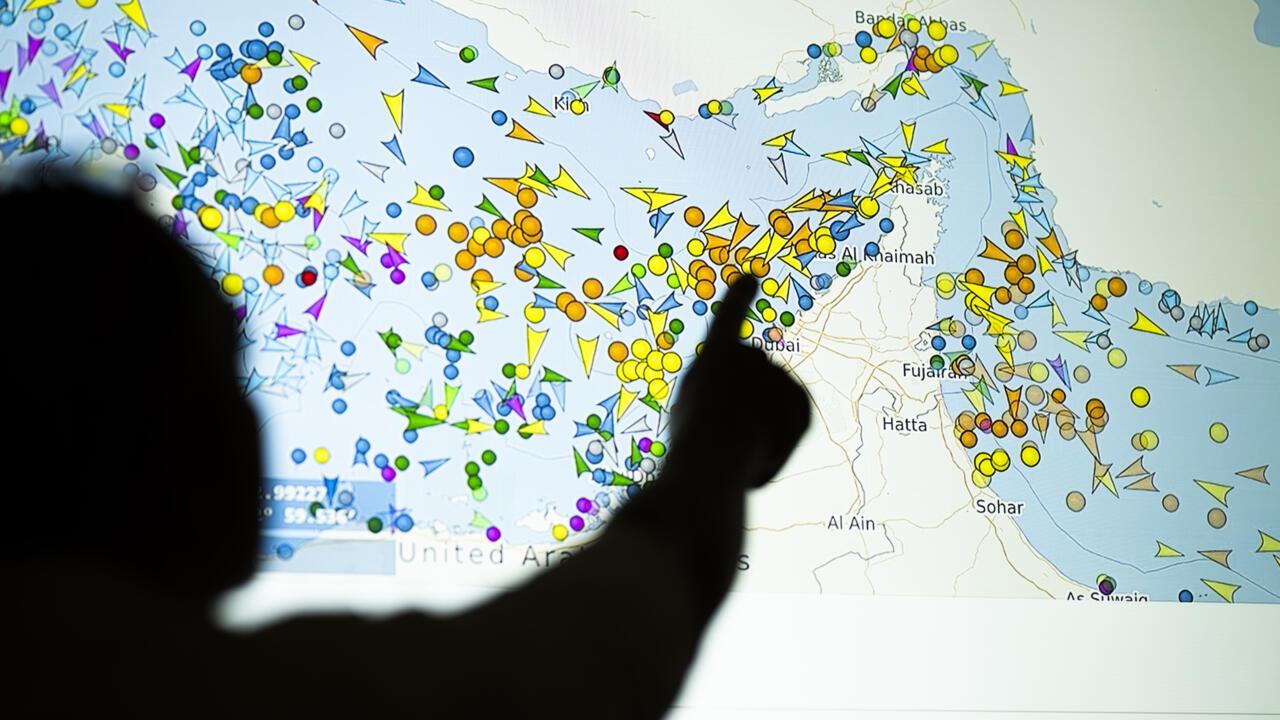
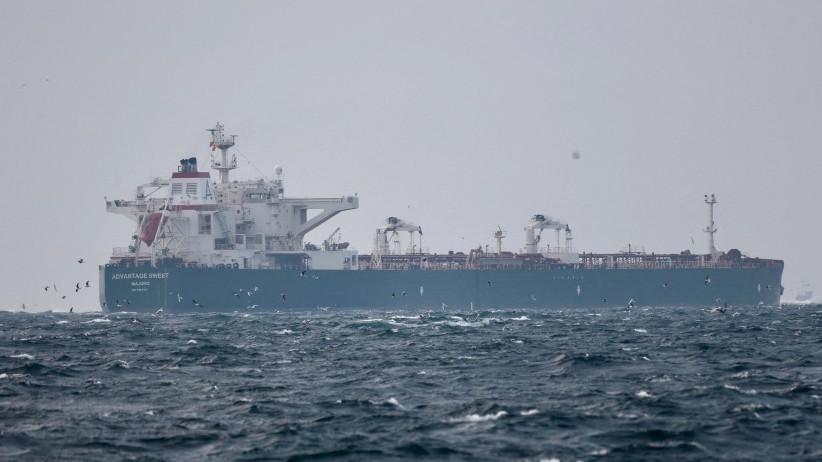
The shipping impact was immediate in the reporting, with the number of vessels transiting Hormuz falling to 33 from Monday through Thursday, down from 50 during the same period the previous week, while only six crude tankers had reportedly cleared the strait outbound so far this week.
In contrast, U.S. Vice President JD Vance said the U.S. expects oil and gas flows from the Gulf to eventually return to pre-war levels and said Iran had told Washington it had no plans to impose tolls, while the U.S. does not fully trust Tehran's assurances.
The dispute over whether the two sides are negotiating the same outcome was framed as a market question, with Washington talking about restoring normal energy flows while Tehran demanded major political, military and financial concessions before reopening Hormuz.
Competing explanations
Iranian President Masoud Pezeshkian said the United States was “untrustworthy” but that now was the “best time” for Iran to reach an agreement, while also describing cohesion, strength and unity in Iran and saying his government was discussing diplomacy almost daily to move Iran out of a state of “neither war nor peace.” Pezeshkian also said attempts were made during the 40-day war to attack Iranian border posts in the northwest and southeast and send forces into the country, but he said neighboring states acted to prevent incursions. In parallel, Iran’s security chief Mohammad-Bagher Zolghadr said the Strait of Hormuz would not reopen until the United States “corrects its behavior,” defining that as meeting a series of Iranian demands including ending threats and military action and lifting the naval blockade.
The IRGC separately insisted that reopening Hormuz was not linked to Iran-Oman negotiations, with Hossein Mohebi telling Iranian journalists that “Otherwise, the strait will remain closed.” Oman, meanwhile, described the negotiations with Iran as “positive and constructive,” while the UAE condemned “aggressive Iranian attacks that targeted an ADNOC-owned tanker with a missile while it was transiting the Strait of Hormuz, with no injuries reported.”
What comes next
Iran said it was “very close” to an agreement with Oman on a new shipping route through the Strait of Hormuz, but Iranian Foreign Minister Abbas Araghchi said reopening the strait was subject to other conditions, including compensation for what he described as U.S. violations of the Islamabad Memorandum of Understanding signed in June. Araghchi said the previous traffic separation scheme was no longer acceptable to Iran and that Iran and Omani military and naval forces were negotiating based on existing maps, with Araghchi adding that “Given the technical and legal complexities, we are currently talking about a temporary route.” The New York Times described Zolghadr’s statement as complicating efforts to reopen the strait, noting that the head of Iran’s Supreme National Security Council said the Strait of Hormuz would remain closed until the United States met certain conditions.
The same reporting tied the demands to the broader negotiation timeline, referencing a previous cease-fire agreed to in June that said sanctions would be fully lifted only in the event of a final deal regarding Iran’s nuclear program, and also noting U.S. officials’ position that Iran could only access its frozen funds if it committed to giving up its highly enriched uranium first. With the strait described as a central point of leverage and with attacks on shipping continuing to be reported, the immediate stakes in the sources were whether the U.S. would accept Iran’s conditions and whether any Oman corridor arrangement would translate into reopening for maritime traffic.