Iran · 09 August, 2026 · 3 min read
Iran’s Revolutionary Guards Refuse To Reopen Strait of Hormuz Until U.S. Accepts Tehran’s Conditions
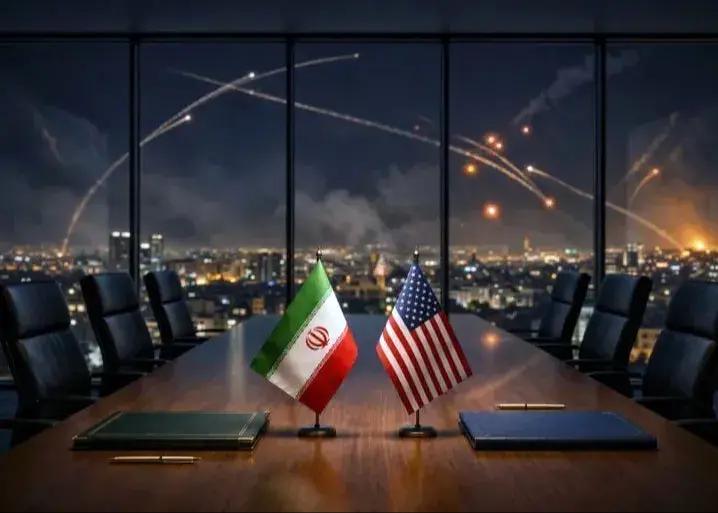
IRGC says Hormuz won't reopen until U.S. meets Tehran's sweeping conditions, including war damages payment. Tehran says no direct talks with the U.S.; intermediaries pursue talks with Oman nearing agreement.
30 outlets told this the same way.
Outlets did split on Ayatollah Seyyed Mojtaba Khamenei Urges Students To Use Knowledge As An Iron Shield Against US And Israel →
10 of 12 outlets skipped it: trump says US is "low-keying" Iran on Axios.
NBC News was read line by line by the Watchdog: 2.4. See the score →
30outlets compared
Hormuz reopening stalled
Iran’s Revolutionary Guards said on Sunday they would not reopen the Strait of Hormuz until the United States accepts Tehran’s conditions, describing the strait as a “theater of war.” Iran’s Supreme National Security Council secretary Mohammad Bagher Zolghadr said the U.S. must “corrects its behavior,” and demanded an end to the war and aggression against Iran and its allies in Lebanon, Palestine, Yemen and Iraq. Iran’s foreign minister Abbas Araghchi said there are “no ongoing negotiations between Tehran and Washington,” while also saying Iran’s discussions with Oman over transit and management are “approaching the final stages.”
““The intermediaries are still making efforts to find ways to resume negotiations,” Araghchi said.”
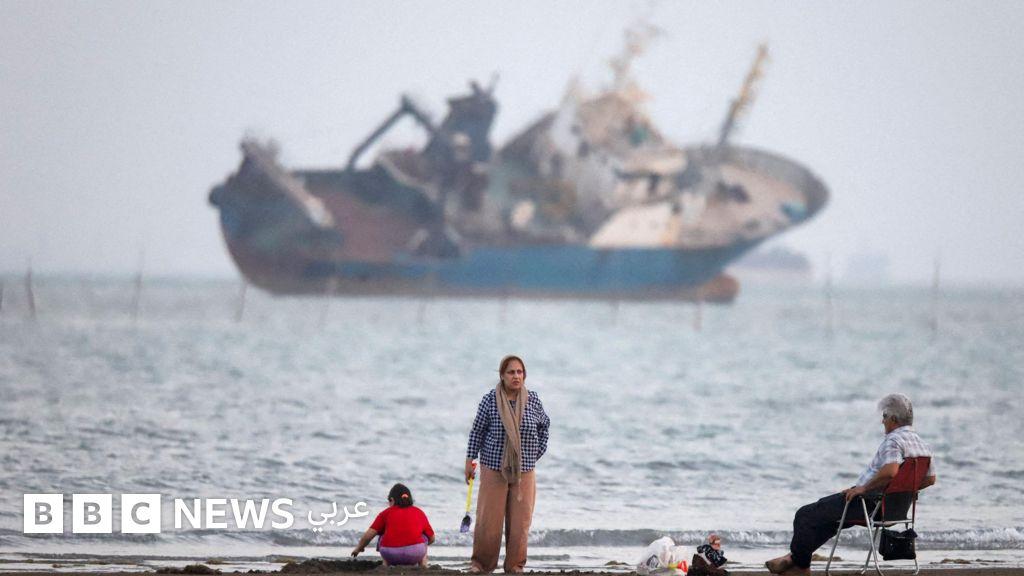
The dispute has left the strait “largely impassable for months,” with thousands of sailors stranded and shipping disrupted, according to NBC News. In parallel, the UAE condemned what it called a “hostile Iranian attack” on an ADNOC tanker in the Strait of Hormuz, while UKMTO said a ship was hit by a projectile off Oman and a fire was extinguished with no casualties.

Demands, denials, and messaging
Araghchi denied on Sunday that Iran was negotiating with the United States, saying the sides were merely “exchanging messages” via intermediaries.
The CNBC report said Araghchi told Mehr that “Talks with Oman do not mean the Strait of Hormuz will be reopened,” and that reopening depends on other conditions conveyed through intermediaries.
In the same reporting, the U.S. President Donald Trump said in an Axios interview that the administration was “low-keying it” with Iran and that it was “only semi-negotiating with them.”
Reuters reported that a U.S. official told Reuters on Friday that an agreement between Iran and Oman was close and could soon reopen the waterway, which carried “a fifth of global oil and liquefied natural gas shipments” before Iran blocked it.
The Reuters account also said Iran’s reopening would depend on U.S. compensation for widespread attacks, while the ultimate decision-making in Iran rests with Supreme Leader Mojtaba Khamenei, who has not been seen in public since an air strike killed his father and predecessor on February 28.
Regional spillover and next steps
As Hormuz talks remain tied to U.S. demands, the conflict has spilled into the Red Sea, where Yemen’s Iran-backed Houthis announced on Sunday that they had struck an Aramco oil facility in Jazan with a drone. The NPR report said the Saudi Energy Ministry reported a fire at a facility belonging to Aramco in Jazan was extinguished “without casualties,” while a Yemeni government official said the Houthis also attacked the Mocha port. In the Reuters account, the Houthis declared a naval blockade against Saudi Arabia in the Red Sea last month and said they attacked Saudi Aramco’s Jazan refinery on Sunday, two days after the kingdom signed a defense pact with Turkey and Pakistan.
For Israel, the Gulf standoff is linked to nuclear policy, with Netanyahu telling a cabinet meeting that “With an agreement or without an agreement, as long as I am prime minister, Iran will not have nuclear weapons.” The next phase in the Hormuz dispute remains conditional: Iran’s Supreme National Security Council said the strait would not open until the U.S. meets Tehran’s demands, while the U.S. has yet to respond publicly to the list of conditions, NBC News reported.