Global Politics · 06 August, 2026 · 2 min read
Mohsen Rezaei Says Iran Will Not Allow Second Corridor Through Strait of Hormuz
Iran will not permit opening of a second corridor in Hormuz. Iran rejects US-proposed southern corridor and has formally notified Oman of opposition.
IranWire stresses US rejection.
7 of 10 outlets skipped it: iran says it will not allow a second corridor/opening in Hormuz.
Ynetnews was read line by line by the Watchdog: 4.3. See the score →
10outlets compared
Same story, two versions
tap a side to read it in full
New York Post
“would only create a temporary, limited corridor while leaving Tehran with significant control”Read the original ↗
IranWire stresses US rejection; New York Post emphasises temporary Oman-Iran corridor with Tehran control
Second corridor rejected
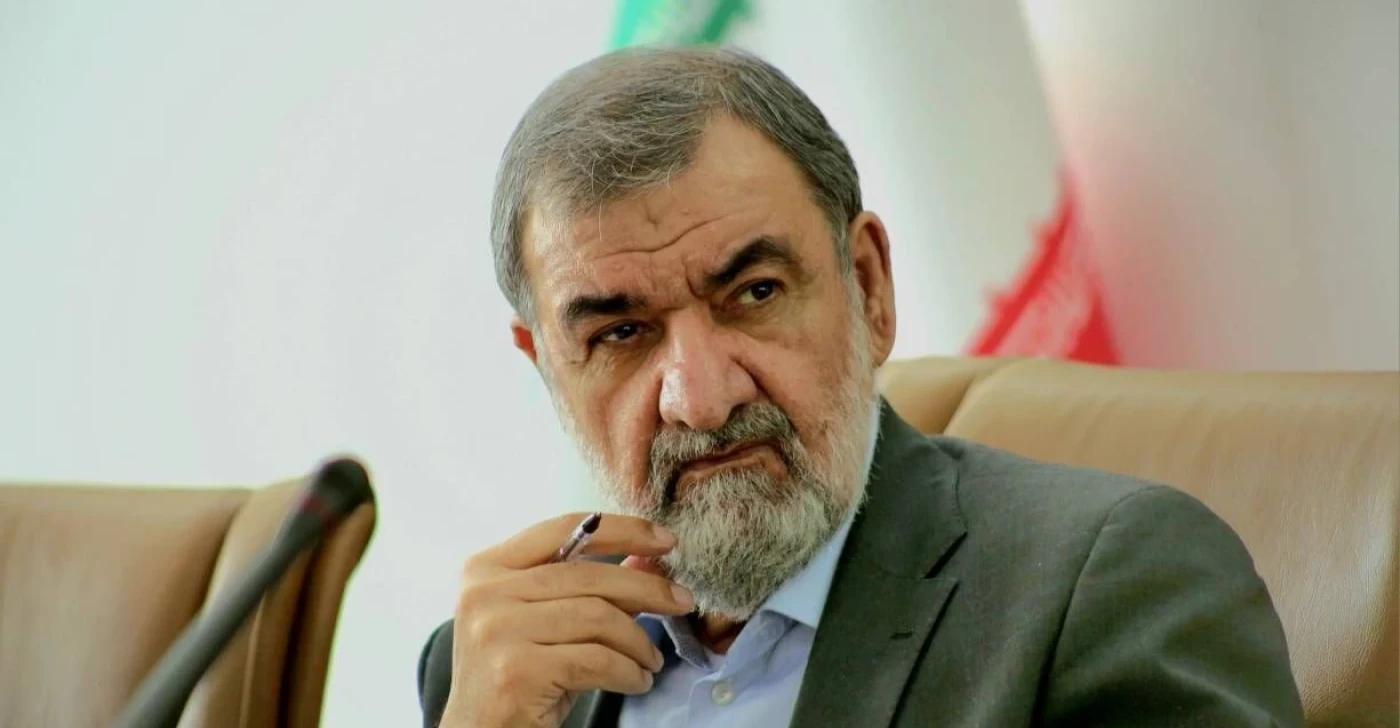
Iran’s senior military adviser Mohsen Rezaei said Iran will not permit the establishment of an alternative route or a second corridor through the strategic Strait of Hormuz, warning that if the blockade continues, US vessels and forces would face serious risks and potential casualties. Rezaei, described as recently appointed the secretary of Supreme National Security Council (SNSC), underscored: “We will never allow a second corridor to be opened in the Strait of Hormuz.”
The dispute is playing out as Iran and Oman negotiate shipping-route coordinates and a joint statement covering the main points of agreement, while the US insists any temporary routes would be without approvals, permissions, or tolls. In parallel, the Al Jazeera report said Iran closed the strait after the US and Israel began strikes on Iran at the end of February, sending oil prices spiralling and causing havoc in global energy markets.

Oman talks and fees
Iranian state media said Tehran is “in the final stages” of confirming a temporary shipping arrangement with Oman that would create a limited new shipping lane through the center of the strait after President Trump ordered the waterway reopened. The New York Post quoted a US official saying: “Any temporary routes will be without any impediments — meaning no approvals or permissions and no tolls or charges.”N
The same New York Post account said the proposed corridor would route commercial ships through a narrow central corridor jointly managed by Iran and Oman, and that traffic would pass through the central corridor without fees for two to four months while Tehran and Muscat negotiate a longer-term agreement. NAl Jazeera reported that on Wednesday Iranian Ministry of Foreign Affairs spokesperson Esmaeil Baghaei signalled Tehran and Muscat were close to finalising an agreement, while also dismissing claims that a bilateral agreement would automatically make the waterway safe for passing vessels.
Uncertain timeline, global stakes
As negotiations continue, Al Jazeera said it is unclear when a deal will be announced, while Reuters reporting referenced by the same piece framed the dispute as unresolved because Washington rejects reports of Iranian control over traffic and says temporary routes should not require permits, approvals or fees. In the same Al Jazeera account, Al Jazeera’s Mahmoud Abdelwahed said a deal on the Strait of Hormuz does not mean an “end to the crisis,” describing the discussions as pending a joint final statement.
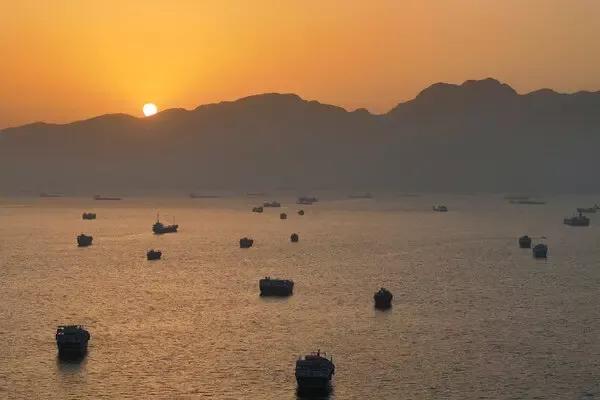
The Al Jazeera report also said the strait links the Gulf to the Gulf of Oman and that one-fifth of the world’s oil and liquefied natural gas (LNG) supplies are shipped through it in peacetime, making the outcome a major flashpoint in the war between Iran and the United States. Meanwhile, the Mehr News Agency reported that Rezaei warned that if the blockade continues, US vessels and forces would face serious risks and potential casualties, and reiterated: “We will never allow a second corridor to be opened in the Strait of Hormuz.”