Global Politics · 11 August, 2026 · 3 min read
Lebanon Parliament Votes To Abolish Death Penalty, Hezbollah Bloc Votes Against
Lebanon's parliament abolishes the death penalty, replacing it with life imprisonment with hard labor. Hezbollah parliamentary bloc votes against the abolition.
How the law affects existing death-row prisoners and future cases.
10 of 12 outlets skipped it: spain urges moratoria and warns against legislative backsliding.
58outlets compared
Same story, two versions
tap a side to read it in full
Common Dreams
“Those currently condemned to death will have their sentences commuted to hard labor for life.”Read the original ↗
SSCMP
“crimes committed before the legislation takes effect will be punished by life imprisonment”Read the original ↗
Common Dreams and SCMP differ on how existing death row is commuted
Lebanon ends capital punishment
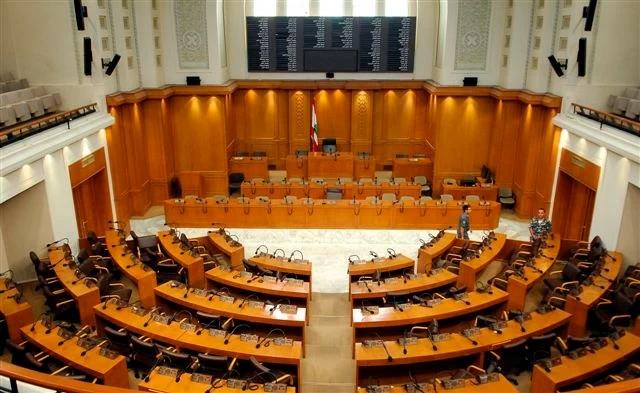
Lebanon’s parliament voted on Tuesday to abolish the death penalty, making it the first country in the Middle East to do so, with a majority of the 128-seat assembly backing the measure while Hezbollah’s parliamentary bloc voted against it. Justice Minister Adel Nassar, who was in parliament, called the vote “a historic step” for the country, and the new system replaces the death sentence with life imprisonment with aggravated hard labour. The legislation formalizes a de facto moratorium, since Lebanon has not carried out any executions since January 17, 2004, even as courts continued to issue dozens of death sentences.
Amnesty International’s Heba Morayef praised the change as “a major milestone and a victory for human rights in the country,” while noting that it transforms a precarious hiatus into “lasting legal protection” upholding the right to life. At the end of 2025, 85 people were facing death sentences, according to the Lebanese Ministry of Justice’s Directorate of Prisons, and the new law’s enforcement details for aggravated hard labour were described as unclear in the reporting.

Opposition, rights groups, and process
Rights group Amnesty International said the law’s passage is “a major turning point and a victory for human rights in the country,” framing it as turning “a cautious moratorium on executions into a lasting legal protection.” Oragit Younan, co-founder of the Lebanese Association for Civil Rights, told the BBC, “We cannot solve a crime with a crime or end violence with violence,” describing the nearly three-decade campaign to abolish the death penalty. The BBC reported that the legislation would go to the cabinet before being passed to President Joseph Aoun for signing, and it said the government had already expressed its support for the measure.
Hezbollah’s parliamentary bloc voted against abolition, and the BBC said the legislation does not yet set out in detail how the new sentence would be enforced, even though hard labour is written into Lebanese law. The Washington Post quoted United Nations Human Rights chief Volker Turk saying, “this decision represents a powerful and principled commitment to the right to life,” as the bill moved from parliament toward cabinet approval and then President Joseph Aoun’s signature.

What changes next for prisoners
The new system is described as replacing capital punishment with life imprisonment with hard labour, while the Amnesty International account says the law abolishes the death penalty for all crimes and replaces it with life imprisonment with hard labor. Amnesty International said Lebanon has not carried out any executions since January 17, 2004, and it reported that as of the end of January 2026, 85 people remain on death row according to the Directorate of Prisons at the Ministry of Justice. The BBC reported that courts have continued to hand down death sentences, and it said the abolition comes as parliament debates a controversial general amnesty law that could reduce sentences or release some people convicted of violence offences.
Hezbollah opposed abolition in part by linking it to the general amnesty bill, and Ynetnews reported that Hezbollah explained its opposition by arguing that the death penalty should not be abolished before lawmakers complete work on the general amnesty bill. Amnesty International also said the law will be referred to the President for final signature and publication in the Official Gazette before it takes effect, and it urged Lebanese authorities to ratify the Second Optional Protocol to the International Covenant on Civil and Political Rights to make abolition irrevocable under international human rights law.