Global Politicsupdated 2h ago2 min read
Archive photo · 14 October 2024New Zealand Election Too Close To Call As National Falls Short Of Majority
4 Western Mainstream2 West Asian1 OtherThis article is an automated aggregation of coverage from news outlets. Our editorials offer in-depth analysis curated by the NewsCord team.
National won 42 seats, 19 short of a majority. Result is extremely tight; coalition talks likely, with a minor party potentially decisive.
Save coverage image
7 outlets in this story. Read their headlines below.
Tight result, no winner
New Zealand’s general election produced no clear majority, leaving Prime Minister Christopher Luxon’s centre-right National Party short of the simple majority needed to form a government after preliminary results showed National on 42 seats. Labour leader Chris Hipkins, whose Labour Party won 36 seats, told supporters the “shape of the next government” will remain uncertain “for a while,” as the Greens held 16 seats and ACT held 13. The electoral commission was not due to announced the official result until 27 November, while BBC reporting said more than 99% of votes had been counted and National and Labour were neck-and-neck in vote share.
The margin was just 3,650 votes in favor of Labour, even as National gained six more seats with full, complete counting, and Luxon acknowledged the tight result would require negotiation and compromises. The Guardian framed the same outcome as an election “too close to call,” with special votes yet to be counted before negotiations could begin.
Coalition math and kingmaker
Luxon said he would run a caretaker government until the final results were confirmed later in the month, adding, “With those final results there can then be meaningful negotiations.” Opportunity, led by Qiulae Wong, entered parliament for the first time, with BBC projections showing it on 7 seats and EFE saying it obtained 6% of the votes and seven deputies. Professor Andrew Geddis from the University of Otago warned that “the Opportunity Party as a wildcard player” could “determine which bloc of parties is able to govern,” while the Guardian described Opportunity as meeting the threshold needed to enter parliament for the first time.
The National Party, ACT and New Zealand First together reached 67 MPs, one more than the 66 needed for an absolute majority, while it also said a Labour-Greens-Te Pāti Māori-Opportunity alliance would gather 64 seats. National pipped Labour by 0.02% in the party vote, and the left bloc was three seats short of forming a government even with Opportunity’s seven seats.
Special votes decide next steps
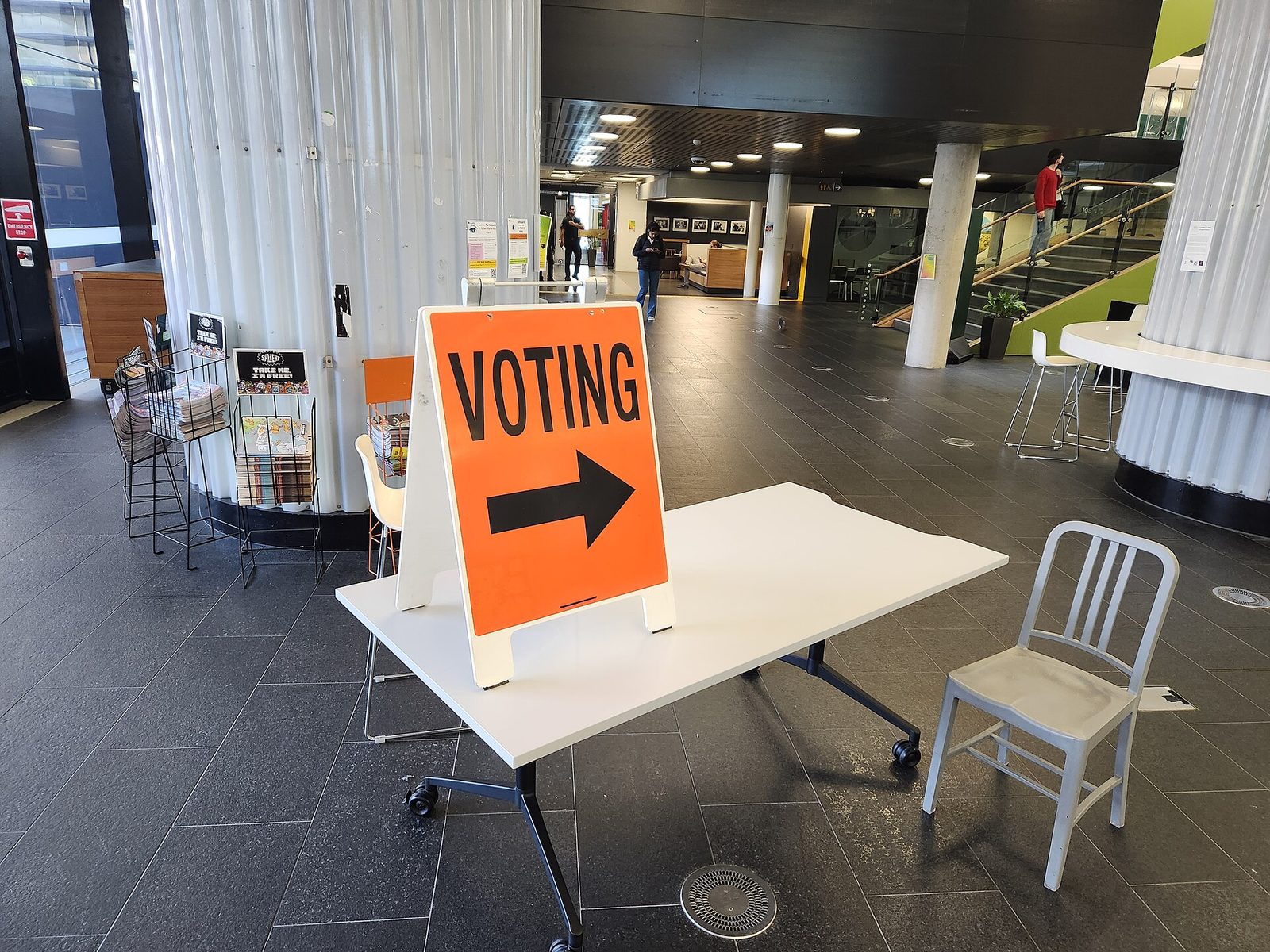
The Guardian said special votes include overseas votes and ballots cast outside a voter’s electorate, and it reported that in 2023, 600,000 such votes were made, 21% of the total. The official results were expected on November 27, when special votes would be incorporated, including ballots from overseas voters and those registered in unpublished rolls or who had voted outside their district. Luxon congratulated Hipkins on a “very hard-fought race” before addressing party colleagues, and he would run a caretaker government until the final results were confirmed later in the month.
Provisional results placed National at 29.30% and Labour at 29.23%, and the margin between the two formations was only 0.07 percentage points as special votes kept uncertainty open. Luxon told supporters “For now, I want to tell New Zealanders that well-established caretaker conventions apply,” as the country faced a two-week wait until special votes were announced.