Global Politics12 August, 20263 min read
FAI Withdraws Support For Gianni Infantino As IFA Backs UEFA In FIFA Crisis
This article is an automated aggregation of coverage from news outlets. Our editorials offer in-depth analysis curated by the NewsCord team.
FAI withdraws support for Gianni Infantino. IFA backs UEFA's stance against Infantino.
7 outlets told this the same way.
Ireland joins UEFA front
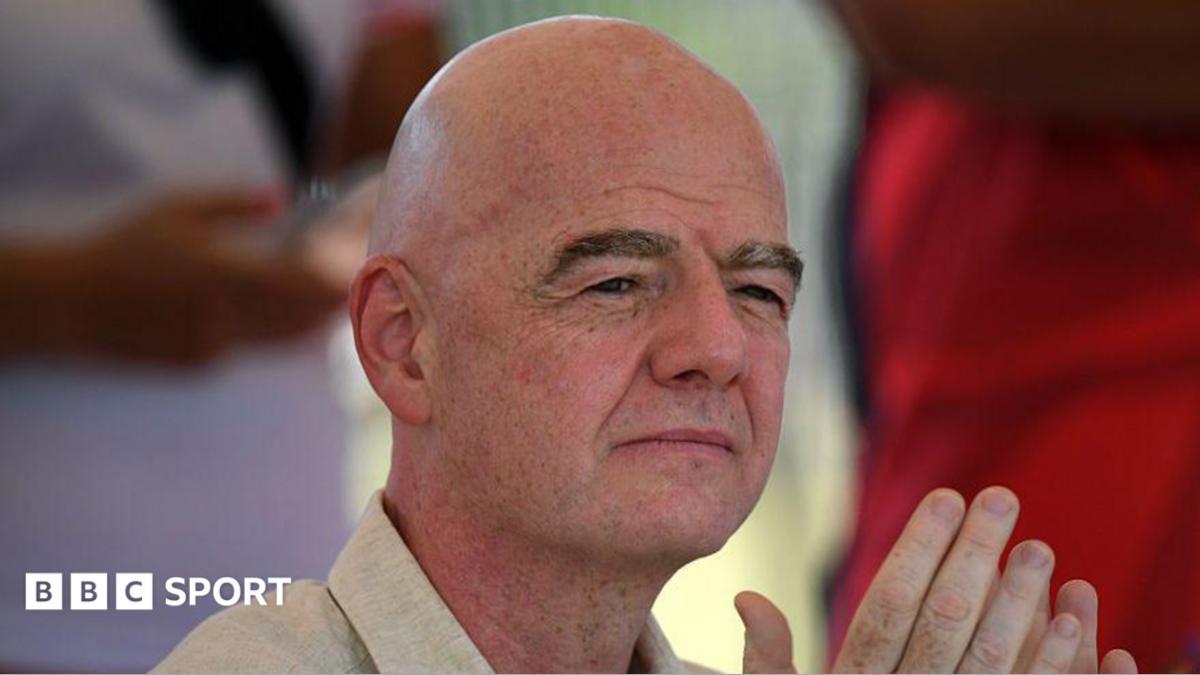
Gianni Infantino’s bid to remain FIFA president has deepened into a governance dispute after the Football Association of Ireland (FAI) announced it would formally withdraw its support for his re-election in elections scheduled for March 2027. The FAI said the decision followed an FAI board meeting to rescind the letter of support it had supplied earlier this year and that it had since written to FIFA to explain its reasoning. In the same dispute, UEFA’s stance is tied to a failed attempt to carve off the commercial rights to the World Cup and sell 20% of them to private investors to raise about $4.2 billion, a move Infantino proposed and then abandoned.
The BBC reported that the FAI’s withdrawal came as the Irish Football Association (IFA) confirmed it was backing Uefa’s stance, after UEFA signed an open letter with Concacaf and the Asian Football Confederation accusing Infantino of breaking trust “through deception”. The BBC also noted that the FAI had previously indicated its support prior to the post-World Cup controversy, but that it rescinded that position after the latest developments.
Quotes and boycott pressure
UEFA’s boycott threat remains central to the pressure campaign, with the TVP World report saying UEFA doubled down on its boycott threat last week and that “These conditions have not been met.” TVP World also quoted UEFA’s position that it had “lost confidence in Gianni Infantino's presidency,” and described a weekend acknowledgement that there might need to be talks about alternative tournaments. While the FAI withdrew its support, the BBC reported that the IFA stopped short of formally withdrawing support, saying it “support[s] the current Uefa position on the matter and will continue to engage constructively”.
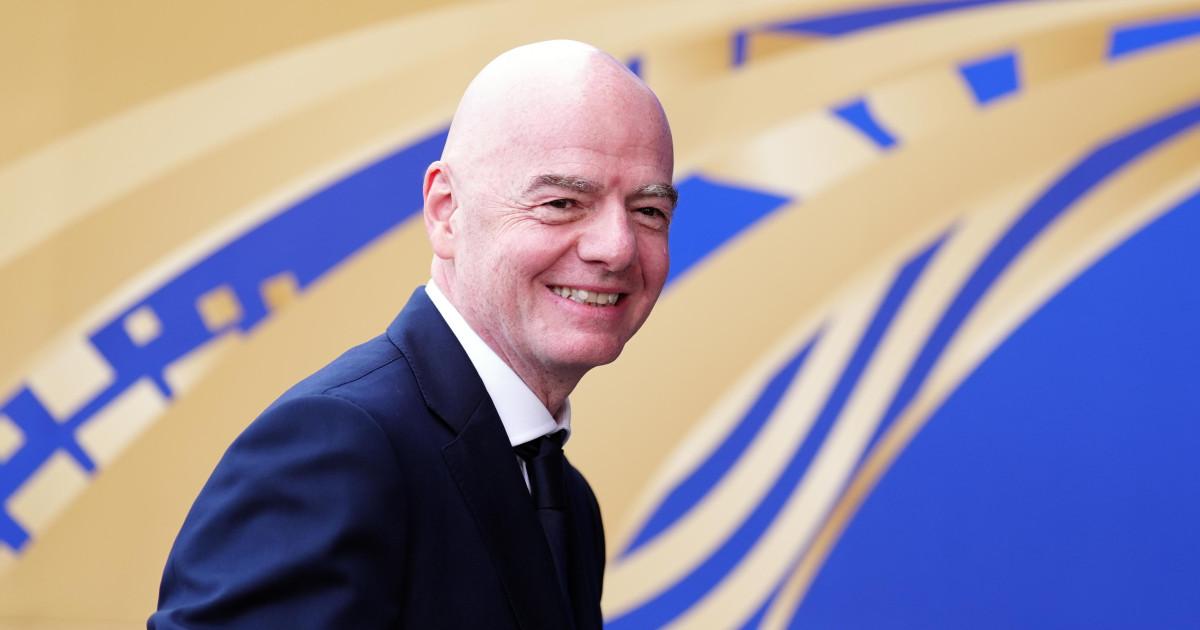
The BBC further framed the dispute around Infantino’s abandoned plan to sell a stake in FIFA’s commercial operations to a private investment company, which it said left his bid for a fourth term “in a perilous state.” In parallel, El Debate described a widening European front inside UEFA, listing England, Wales, Finland, Sweden, Serbia and Países Bajos as countries that had already adopted similar positions demanding an immediate change at the top of world football.
What’s at stake next
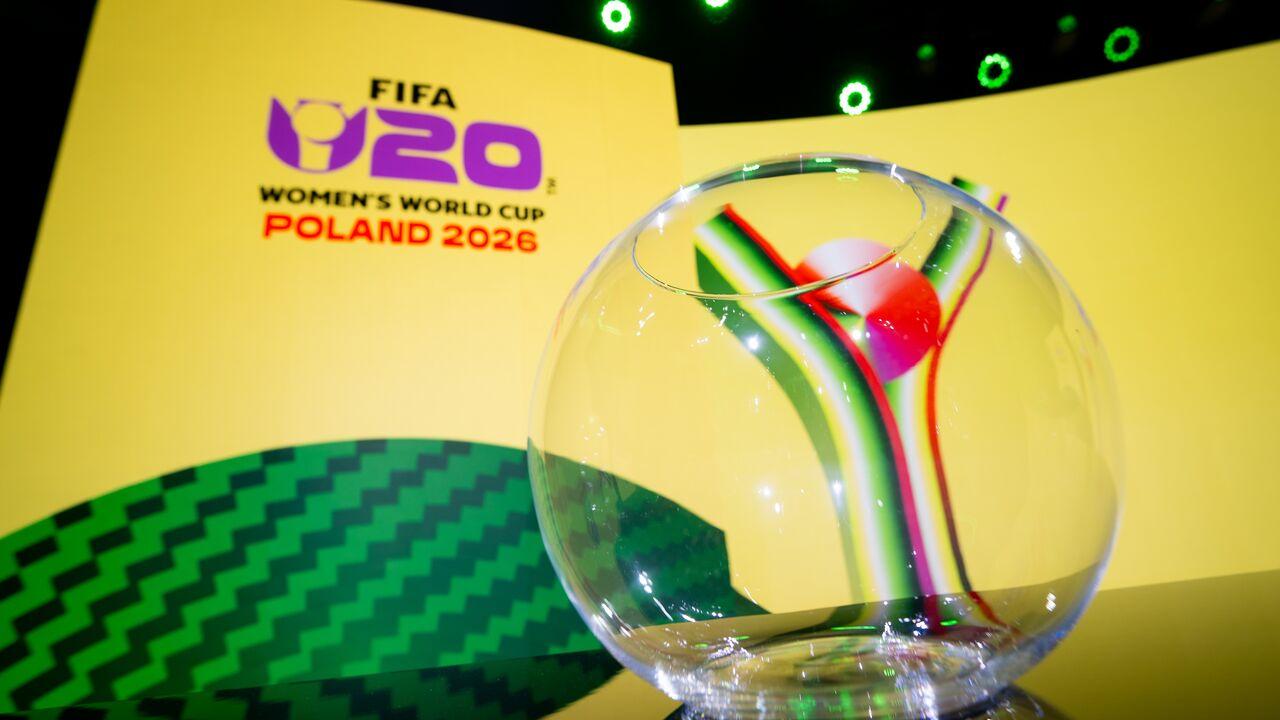
As the FIFA dispute spills into upcoming events, TVP World reported that Poland said preparations for next month’s Under-20 Women’s World Cup remain on schedule and that the Polish Football Association (PZPN) “has not received any information regarding the possible withdrawal of any participating team”. TVP World said the tournament runs from September 5 to 27, with New Zealand joining France in confirming they intend to compete, and it described France as the first nation to confirm participation in the 24-team tournament. The same report tied the immediate stakes to women’s football, stating that “Women's football stands to be the first area significantly affected should the dispute escalate again,” and it pointed to FIFA’s Under-17 Women’s World Cup scheduled for October in Morocco.
El Debate added that Infantino retains a core of resistance, including the “respaldo firme de la Confederación Africana de Fútbol (CAF)” and explicit support from at least 20 federations national. El Debate also said Infantino’s allies include ten countries of Asia, seven of Africa with Marruecos and Egipto leading, the Federación Mexicana de Fútbol, and two representatives of Sudamérica—Argentina and Paraguay—while Conmebol was still to define an official posture.