Iran · 09 August, 2026 · 3 min read
Iran Says No Talks With U.S. as Abbas Araghchi Advances Oman Strait of Hormuz Deal
Iran says Oman deal defining new shipping routes through Hormuz is in final stages. Reopening Hormuz requires the United States to meet Iran's demands.
Whether the Strait is effectively reopened due to the Oman deal/route plan.
10 of 12 outlets skipped it: iranian Revolutionary Guards claim the strait is a "theatre of war".
NBC News was read line by line by the Watchdog: 2.4. See the score →
19outlets compared
Same story, two versions
tap a side to read it in full
NBC News
“changes to maritime routes in the Strait of Hormuz are a technical and legal matter”Read the original ↗
WWashington Post
“any deal would not reopen open the waterway unless the United States met a list of demands”Read the original ↗
One stresses technical route changes not reopening; the other ties reopening strictly to US concessions.
Oman talks, U.S. conditions
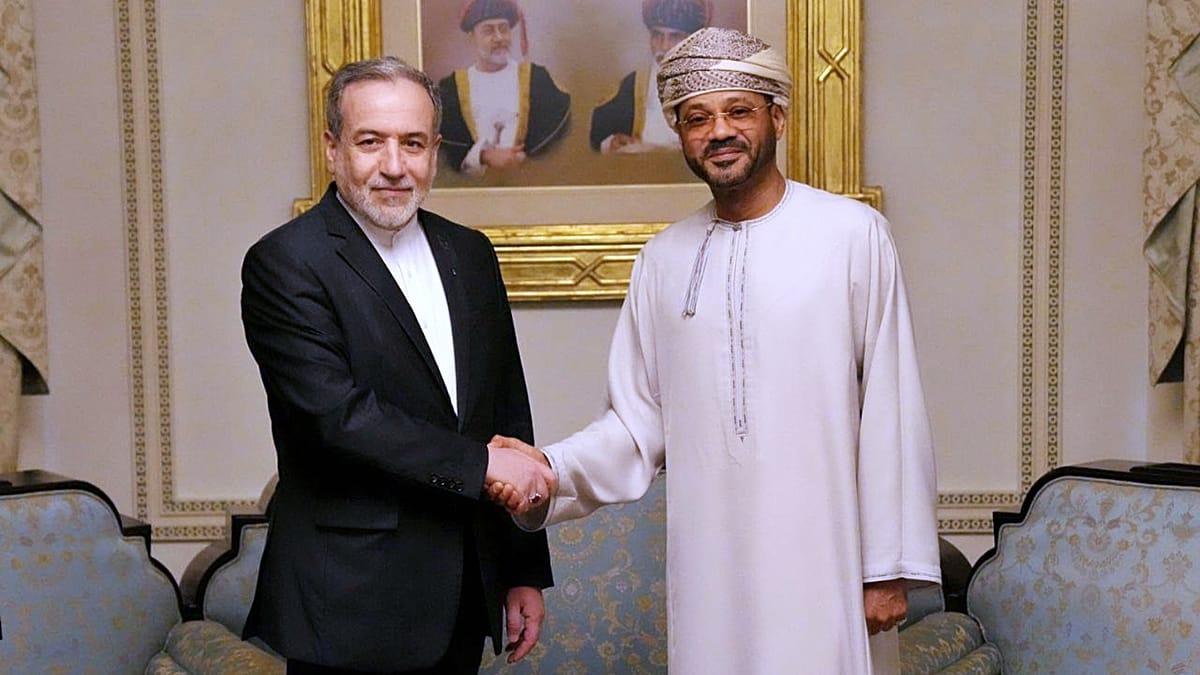
Iran’s Foreign Minister Abbas Araghchi said Sunday in Tehran that there are no ongoing negotiations between Tehran and Washington and that intermediaries are still making efforts to resume talks. Araghchi also said Iran’s separate discussions with Oman over control of the Strait of Hormuz are in “final stages,” but he warned that “changes to maritime routes in the Strait of Hormuz are a technical and legal matter and do not mean that the Strait of Hormuz has been reopened.” NBC News reported that Iran’s Supreme National Security Council secretary Mohammad Bagher Zolghadr laid out conditions for reopening, including that it would not do so “until America corrects its behavior.”N
Reuters reported that Iran said a deal with Oman defining new shipping lanes is in its final stages, but the waterway would only reopen once the United States met other conditions, after Iran blocked it in response to U.S. and Israeli attacks. The dispute has left the Strait of Hormuz largely impassable for months, with thousands of sailors stranded in the region, according to NBC News.N

Demands, blockade, and messages
Iran’s conditions for reopening the Strait of Hormuz centered on U.S. actions, with NBC News saying the Supreme National Security Council secretary Mohammad Bagher Zolghadr listed demands including that America withdraw its naval blockade, pay Iran damages for the war, unfreeze Iranian assets, lift sanctions on Tehran, and permanently end the conflict. Araghchi told reporters that “The intermediaries are still making efforts to find ways to resume negotiations,” while also tempering optimism about Oman talks by insisting the strait is not reopened just because routes change. Reuters reported that Araqchi reiterated that Iran and the U.S. are not engaged in talks and that Tehran will not start them as long as Washington breaches an interim deal signed in June, adding that messages are being exchanged via intermediaries.
The Washington Post described Iran’s stance as contingent on compensation and other demands, quoting Araghchi saying, “this does not indicate the reopening of the strait.” WIn Washington, Vice President JD Vance told Fox News on Saturday that the U.S. was “only semi-negotiating” with Iran and said it was “just watching Iran with its huge inflation and the fact they have no money,” as Reuters reported.

Regional escalation and stakes
As Hormuz negotiations remain stalled, the conflict’s maritime spillover continued elsewhere, with NBC News reporting that Iran-allied Houthi rebels in Yemen attacked Saudi Arabia on Sunday and targeted the Mocha port along the Red Sea. NReuters added that the Houthis attacked Saudi Aramco’s Jazan refinery on Sunday with a drone, while the Saudi energy ministry said a fire broke out but was later extinguished with no injuries reported. France 24 reported that Iran’s Revolutionary Guards said the Strait of Hormuz would remain closed until the United States complied with demands including an end to sanctions and compensation for war damage, and it quoted the Guards saying their strategy was to maintain their blockade “until the enemy accepts all our conditions... the strait is now actually a theatre of war for us and not just a waterway”.
The Washington Times tied the stakes to global energy flows, noting that at least one-fifth of the world’s oil supply travels through the strait each year and that its closure has driven up global energy prices. With the strait’s reopening uncertain, NBC News said the U.S. has yet to respond publicly to Iran’s list of conditions, while thousands of sailors remain stranded and ships’ ability to transit safely depends on a traffic scheme that Vice President JD Vance said would include demining efforts and assurances from Tehran that it would not fire on transiting vessels.N