
Iran · 10 August, 2026 · 2 min read
Ayatollah Ali Khamenei Appoints Mohsen Rezaei Secretary of Iran’s Supreme National Security Council
Mohsen Rezaei appointed Secretary of Iran's Supreme National Security Council. Be designated as the Leader’s representative to the SNSC.
Rezaei appointment portrayed as hardening stance vs coordination/no rift narrative.
10 of 12 outlets skipped it: IRGC says it is ready for cooperation to implement armed forces directives.
Ynetnews was read line by line by the Watchdog: 2.4. See the score →
58outlets compared
Same story, two versions
tap a side to read it in full
Tehran Times
“far from representing a rupture between Iran’s political and military establishment”Read the original ↗
조선일보 frames the move as hardening; Tehran Times says it shows military-political lockstep
Rezaei becomes SNSC secretary
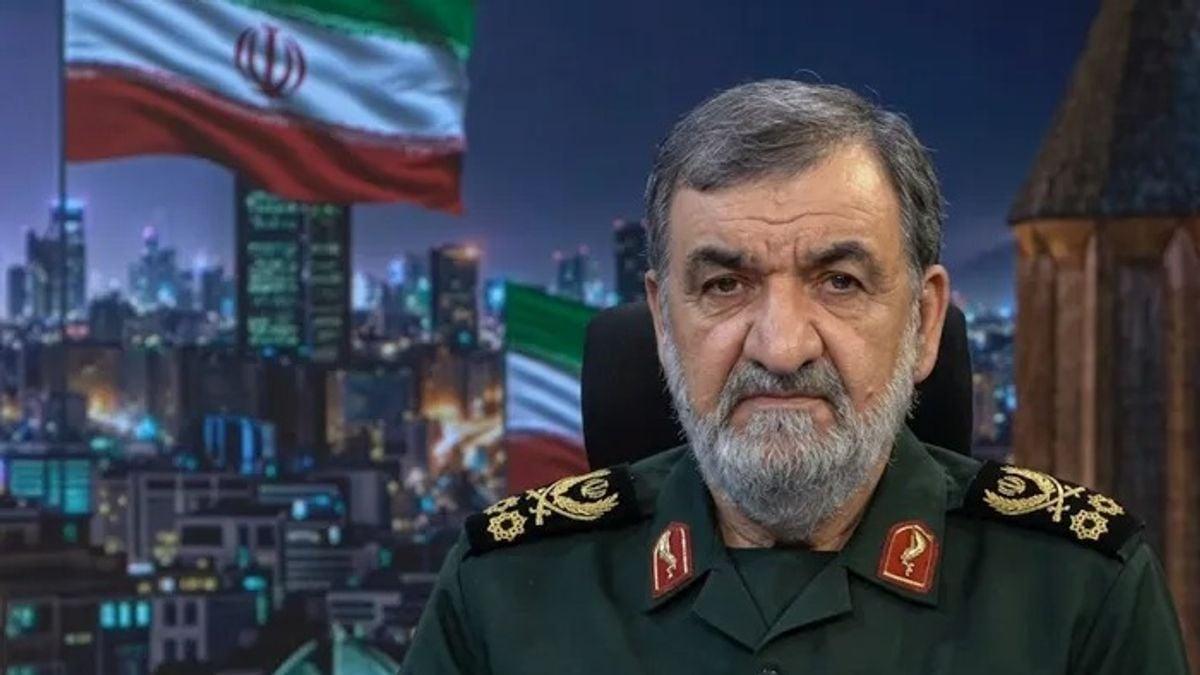
Iran’s Supreme National Security Council (SNSC) leadership shifted after Mohsen Rezaei was appointed as secretary, with Deutsche Welle Persian News Desk saying the appointment came by decree from Ayatollah Ali Khamenei and naming Rezaei as the Leader’s representative to the SNSC.
““Dear brother, Dr. Mohsen Rezaei, the esteemed representative of the Supreme Leader of the Islamic Revolution and Secretary of the Supreme National Security Council.””
Al-Manar TV Lebanon reported that Ahmad Vahidi, the commander of Iran’s Islamic Revolutionary Guard Corps (IRGC), sent a message to “Dear brother, Dr. Mohsen Rezaei” congratulating him on his “well-deserved and wise appointment” as the representative of the Supreme Leader and secretary of the council.
Deutsche Welle Persian News Desk also said Seyed Mehdi Tabatabaei wrote on X that “Given Mohammad Bagher Zolqadr’s resignation from the Secretariat of the Supreme National Security Council,” Dr. Massoud Pishgian was appointed by decree as secretary.
In the same reporting, Deutsche Welle Persian News Desk tied the change to internal SNSC personnel movement, noting that Mohammad Bagher Zolqadr’s resignation was implicitly confirmed by President Masoud Pishgian when he said: “There are some differences that we are trying to resolve.”
Hardline signals and reactions
Multiple outlets framed the appointment as a security-policy signal, with Chosun Ilbo describing Rezaei as an ultra-hardliner who said at a memorial service for former Supreme Leader Ali Khamenei last month that “This strategic strait (Hormuz) is more important than dozens of nuclear bombs.” Chosun Ilbo also reported that Rezaei was appointed on the 9th (local time) as the new secretary of the SNSC, and it linked the personnel change to Iran-U.S. negotiations over reopening the Strait of Hormuz that it said remained deadlocked.
Tehran Times described the reshuffle as showing “lockstep coordination” between Iran’s military and political leadership, saying Rezaei replaced Mohammad Bagher Zolqadr, who was named as a political adviser to the Leader. TIn that same account, Tehran Times quoted Rezaei warning the United States that it would “face serious risks and casualties” if the American blockade of Iranian ports continued.T

Coordination, power, and next moves
The appointment was presented as part of a broader reshuffle around the SNSC, with ANI News saying Supreme Leader Mojtaba Khamenei moved Mohammad Bagher Zolghadr into the role of his political adviser while appointing Mohsen Rezaei as his representative on the security council. ANI News reported that Khamenei announced the appointments in posts on X, including the line: “In consideration of your valuable experience, I hereby appoint you to be my Political Advisor.”
““In consideration of your valuable experience, I hereby appoint you to be my Political Advisor.””
Al-Manar TV Lebanon’s message to Rezaei emphasized his long record across IRGC and state roles, including “your 16 years of command of the IRGC” and “your 24 years as Secretary of the Expediency Discernment Council,” as justification for his ability to coordinate “between the field and diplomacy.” In parallel, Jamaran described official readiness to cooperate with the NSC secretariat, quoting the Ministry of Interior’s message to the new secretary of the NSC that the NSC “bears a vital role in safeguarding the nation’s dignity, territorial integrity, and national wealth.”