Asia · 10 August, 2026 · 3 min read
Typhoon Dolphin Makes Landfall Near Yuhuan, Zhejiang, Evacuating Over One Million in China
Typhoon Dolphin made landfall near Yuhuan in Zhejiang on Sunday. Authorities evacuated over one million people across eastern China, including Shanghai.
How much the airports/flight disruption is, by number and timing.
11 of 12 outlets skipped it: authorities detained people over AI-made misinformation videos.
15outlets compared
Same story, two versions
tap a side to read it in full
Numerical differences shape perceived severity and preparedness effectiveness.
Dolphin’s Landfall
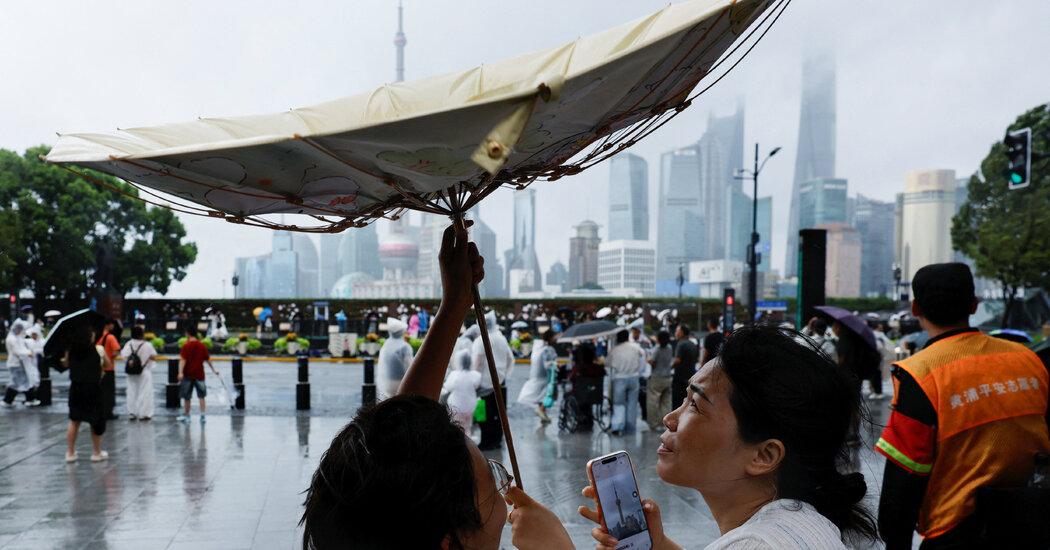
Typhoon Dolphin made landfall near Yuhuan in Zhejiang Province on Sunday evening, prompting authorities to evacuate more than a million people along China’s eastern coast and cancel hundreds of flights as the storm continued its path of destruction across the Pacific Ocean. The New York Times said Dolphin had winds as strong as 94 miles per hour, or 151 kilometers per hour, and that it “prompt[ed] the authorities to evacuate more than a million people” while flooding parts of the Philippines. In Japan, the storm “injur[ed] six people and cutting power to more than 50,000 buildings” in Okinawa, and in China it brought torrential rain and strong winds that triggered warnings of flooding and landslides.
The storm’s arrival also disrupted transport in Shanghai, where the New York Times reported that “More than 1,000 flights in Shanghai were canceled,” while the BBC-reported tally in another account said nearly 1,000 flights were cancelled in Shanghai alone on Monday. China’s National Meteorological Centre later downgraded Dolphin to a tropical storm on Monday morning even as it continued to warn of torrential rainfall and landslide risk through Wednesday.

Alerts, Shelters, Disruption
As Dolphin hit, China issued its highest-level red alert, and the BBC-reported account said authorities continued to warn of torrential rainfall, severe flooding and the risk of landslides through Wednesday as the storm moved north. The Independent described the second landfall at Wenzhou about an hour later and said forecasters issued a red alert “the highest of China’s four typhoon warning levels,” before downgrading the system to a tropical storm on Monday morning. In Zhejiang, Wenzhou moved more than 900,000 residents and opened over 1,000 emergency shelters, while Taizhou evacuated some 390,000 people and Fujian province moved 98,900 out of areas judged to be at risk, with Shanghai at least 30,300.
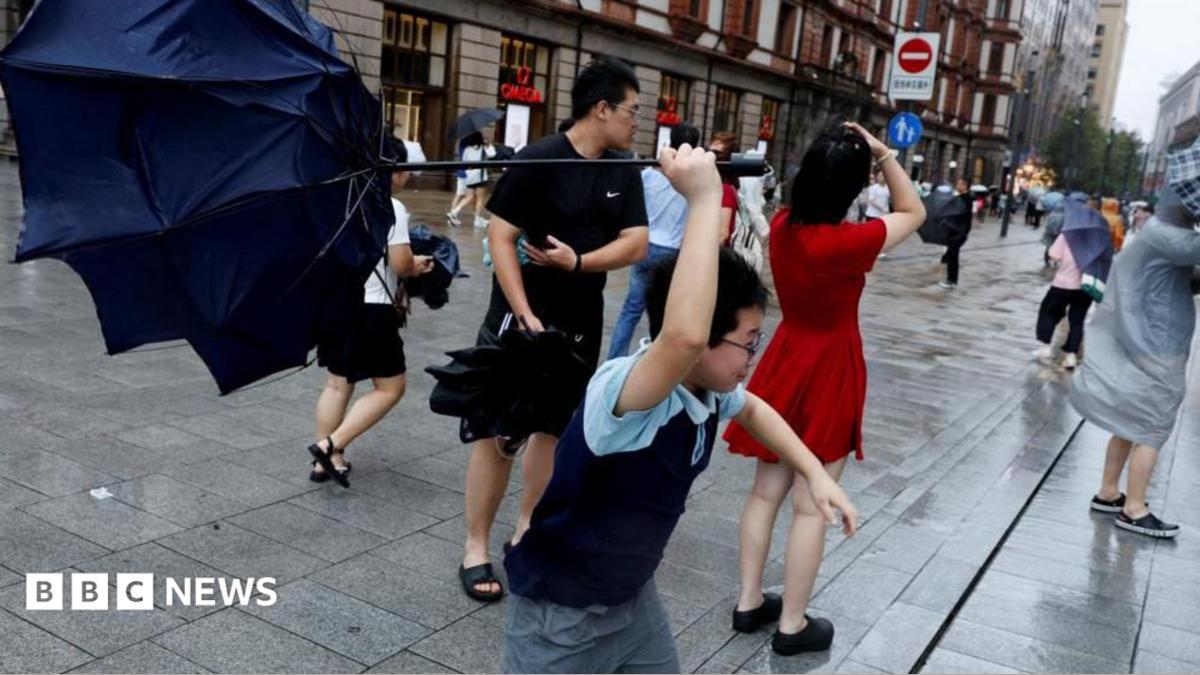
Transport disruption was extensive: The Independent reported that nearly 1,500 flights were cancelled at Shanghai’s two main airports and a further 270 at Hangzhou, while Al Jazeera said Shanghai evacuated at least 30,300 people and cancelled about 1,400 flights. In the wider region, the storm also intensified monsoon rains in the Philippines and brought downpours and strong winds to northern Taiwan, where ferry services were suspended and more than 180 flights were cancelled.
Aftermath and What’s at Risk
Even as Dolphin weakened after landfall, multiple outlets described continued danger from heavy rain and flooding, with the National Meteorological Centre warning that parts of central and eastern China would continue to receive heavy rainfall. The Guardian reported that a weather station in central Shanghai recorded nearly 313mm of rain in the 24 hours to 7am on Monday, “its highest 24-hour rainfall in more than 150 years of records,” and said Dolphin weakened rapidly to a tropical storm by 5am on Monday. TIn Zhejiang, the Independent said the heaviest rain was moving north with torrential downpours forecast through Wednesday across Shandong, Henan, Hubei, Anhui, Jiangsu, Zhejiang, and Shanghai, and it cited a water resources ministry warning that the Qiantang, Yong, Jiao, and Shuiyang rivers could flood badly.
Authorities also took steps to manage the risk of misinformation during the storm, with The Independent reporting that officials detained two people for spreading misinformation about the storm, including a 60-year-old man accused of using AI to fabricate a video showing someone falling from a building in Shanghai. As the storm’s remnants advanced, the New York Times said Dolphin was one of three tropical storms active in the northwest Pacific, alongside Chan-hom and Peilou, with all three monikers picked by an international typhoon committee that allows its 14 member countries to take turns naming storms.