Tourism
Typhoon Dolphin Hits Zhejiang, Cancels 1,400 Flights and Evacuates 390,000 in Taizhou

At a glance
- Typhoon Dolphin made landfall near Yuhuan, Zhejiang, with winds around 150 km/h.
- Authorities evacuated over one million people across eastern China, including Shanghai.
- Flight disruptions canceled more than 1,000 flights, with Shanghai canceling about 1,300–1,500.
Typhoon disrupts travel
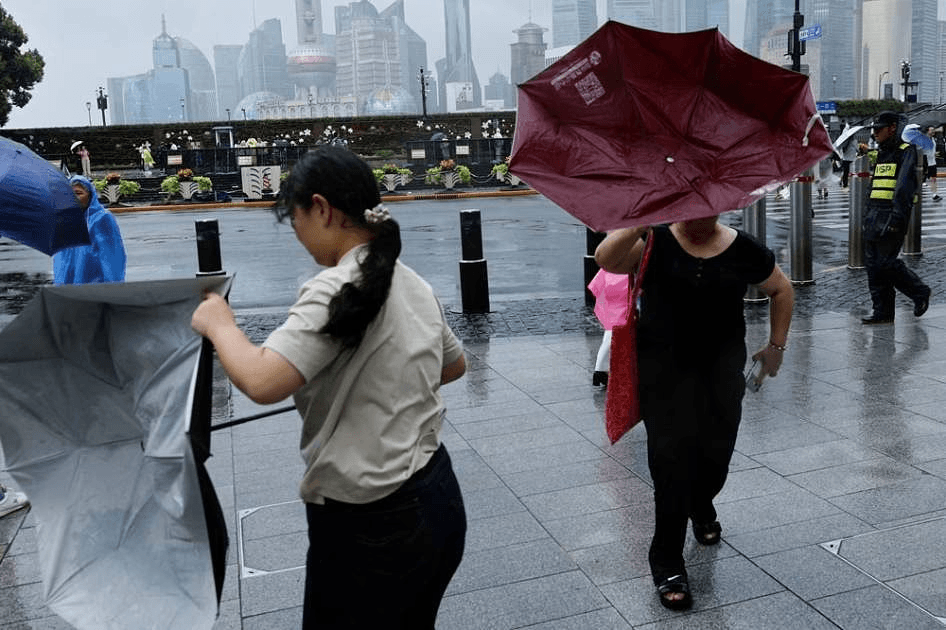
Typhoon Dolphin crossed over China's coastline near Yuhuan City in Zhejiang Province at about 5:30 pm (7:30pm AEST) on Sunday, triggering more than 1,000 flight cancellations, evacuations and a top-level alert.
China's National Meteorological Centre said the centre of the typhoon moved over the coastline near Yuhuan City at about 5:30 pm, while forecasters predicted areas could see 200–400 millimetres of rainfall over the next few days.
Consistent coverage
Where the coverage agrees
BBC, Guardian and others broadly agree: Dolphin struck Zhejiang, evacuations soared and flights were cancelled.
The storm’s maximum wind speeds near the centre were more than 150 kilometres per hour at the time it made landfall, and nearly 1,400 flights in and out of Shanghai's two main passenger airports were cancelled on Sunday.
In Zhejiang, Hangzhou's airport saw 270 inbound and outbound flights cancelled, and authorities in Zhejiang evacuated 390,000 people in the city of Taizhou on Saturday evening.
The effects reached Hong Kong, where the weather observatory posted a record high temperature of 36.9 Celsius as the typhoon pushed warm air over the city.
Evacuations and closures
More than a million people were moved to safety across eastern China by Sunday evening as Typhoon Dolphin made landfall, with Wenzhou relocating more than 900,000 people and opening more than 1,500 emergency shelters.
In neighbouring Fujian, 98,900 people were moved from high-risk areas, while in Shanghai 215,600 people were moved from areas considered at risk by Sunday evening, substantially higher than an earlier figure of 30,300.
The Guardian reported that the hashtag “Shanghai turns into the sea” began trending on Weibo as videos circulated showing streets flooded around the Wukang Mansion, one of the city’s best-known tourist landmarks.
The BBC said authorities have downgraded Dolphin to a tropical storm but continue to warn of torrential rains, severe flooding and the risk of landslides through to Wednesday as the storm moves north.
The BBC also said several top tourist attractions remain closed, including parts of Disneyland and Legoland, and several viewing platforms along the Bund in Shanghai.
What comes next
Even as Dolphin weakened rapidly to a tropical storm by 5am on Monday, authorities maintained an orange alert for heavy rain and warned that days of intense rain could trigger widespread flooding and landslides through Wednesday.
Forecasters in China predicted some areas could see 200-400mm of rainfall over the coming days, and the storm forced Shanghai’s two airports to cancel more than 1,300 flights.
Public transport services, including many local trains, were suspended in the financial hub, and Zhejiang’s Ningbo international airport, about 150km south of Shanghai, was set to resume flight operations from midday (0400 GMT) on Monday.
In Hong Kong, the Hong Kong Observatory said the storm’s outer subsiding air would persistently bring extremely hot weather to the territory today to Tuesday, after the city recorded a record high temperature of 36.9C on Sunday.
The BBC added that governments have urged people to avoid outdoor activities, while state media reported that a nine-year-old boy from Wenling, Zhejiang is missing after being swept into the sea.
Explore the original reporting
Compare all 20 sources
How each outlet frames it
Every outlet we compared, the headline it ran, and a link to the original article.
Other
Flights cancelled, evacuations as Typhoon Dolphin hits China
10 August, 2026
Typhoon Dolphin hits China's eastern coast with winds up to 151 km/h, cancels more than 1,300 flights in Shanghai, and worsens rains, landslides, and flooding across Asia
09 August, 2026
Typhoon Dolphin hits China’s east coast, over one mln evacuated
10 August, 2026
West Asian
Typhoon Dolphin hits eastern China after mass evacuations, 1,300 flight cancellations
09 August, 2026
Typhoon Dolphin hits eastern China and cancels more than a thousand flights
10 August, 2026
Asian
Typhoon Dolphin weakens but disrupts travel in east China
10 August, 2026
Typhoon Dolphin Hits China: What Happens Next Could Be Worse
09 August, 2026
Typhoon Dolphin hits China's east coast, over 1 million evacuated
09 August, 2026
Over 1 million evacuated as Typhoon Dolphin hits eastern China; 1,400 Shanghai flights cancelled
10 August, 2026
Western Mainstream
Typhoon Dolphin: China evacuates more than 1 million people as massive storm arrives
10 August, 2026
Shanghai cancels 1,300 flights as Typhoon Dolphin hits China's eastern coast
09 August, 2026
Tropical Cyclone Dolphin makes landfall in China, where about 99,000 people were evacuated
09 August, 2026
Typhoon Dolphin Makes Landfall in Zhejiang, Disrupts Flights and Power - News and Statistics
09 August, 2026
Shanghai cancels at least 1,300 flights as Typhoon Dolphin hits China’s eastern coast
09 August, 2026
Typhoon Dolphin: more than a million people evacuated in China as record rainfall dumped on Shanghai
10 August, 2026
Latin American
China issues a red alert as Typhoon Dolphin arrives and relocates thousands of people
09 August, 2026
Evacuations and flight cancellations in China due to the arrival of Typhoon Dolphin
09 August, 2026
Typhoon Dolphin makes landfall in China and forces the evacuation of one million people.
09 August, 2026
Read stored source text: ABC News & Headlines – Australian Broadcasting Corporation
In short: Typhoon Dolphin has crossed over China's coastline near Yuhuan City in Zhejiang Province. Thousands of flights have been cancelled and hundreds of thousands of people have been evacuated. What's next? Forecasters in China predicted that areas could see 200–400 millimetres of rainfall over the next few days. Typhoon Dolphin made landfall in densely populated eastern China on Sunday, meteorological authorities said, after the storm triggered more than 1,000 flight cancellations, evacuations and a top-level alert. China's east coast has been preparing for the storm's arrival in recent days, with work and transport services suspended in some areas along its predicted path. The centre of the typhoon moved over the coastline near Yuhuan City in Zhejiang Province at about 5:30 pm (7:30pm AEST), China's National Meteorological Centre said in an online post. Heavy rains have created a risk of severe flooding in Zhejiang, and authorities have warned of severe landslide risks. Forecasters in China predicted that areas could see 200–400 millimetres of rainfall over the next few days. Maximum wind speeds near the centre were more than 150 kilometres per hour at the time it made landfall, the NMC said. Nearly 1,400 flights in and out of Shanghai's two main passenger airports were cancelled on Sunday, state broadcaster CCTV reported. Hangzhou's airport in nearby Zhejiang province saw 270 inbound and outbound flights cancelled, the report said. On Saturday evening, authorities in Zhejiang evacuated 390,000 people in the city of Taizhou. Authorities in Shanghai evacuated more than 30,000 people from riskier areas. The effects were felt as far away as Hong Kong on China's southern coast, where the weather observatory posted a record high temperature of 36.9 Celsius, caused by warm air pushed over the city by Typhoon Dolphin. With the storm "moving towards the vicinity of Zhejiang and moving inland, its outer subsiding air will persistently bring extremely hot weather to the territory today to Tuesday", the Hong Kong Observatory said. Typhoon Dolphin brought heavy rain and strong winds to Japan's Okinawa before reaching China. Seven people in Okinawa suffered minor injuries, including a man aged over 100 who was blown over by gusts, fell on the ground and hit his head, according to the island's government. By Sunday afternoon, 5,290 households in Okinawa were without electricity, according to regional utility Okinawa Electric Power. In Taiwan, dozens of ferry services were suspended and more than 180 flights were cancelled as the storm brought downpours and strong winds to the island's north on Sunday. In the Philippines, five people were rescued and seven remained missing after a landslide that hit three houses in the northern mountain resort city of Baguio on Sunday. Red alert China's NMC issued a red typhoon alert — its most severe warning — on Sunday morning, forecasting "extraordinary torrential rain" in some areas of central and eastern Zhejiang. Heavy precipitation is also expected to fall in Shanghai and parts of Fujian, Anhui and Jiangsu provinces through Monday afternoon, it said. Typhoon Dolphin was expected to weaken after making landfall while moving in a north-westerly direction over eastern China. In Fujian, nearly 99,000 people were relocated from "risky areas" on Saturday evening ahead of the storm's arrival, state news agency Xinhua reported. Services on more than 200 ferry routes were suspended in Zhejiang and Fujian, Xinhua said, while work at offshore projects was halted and 474 construction vessels had been called to port by Friday morning. Some train services in affected areas were also suspended on Sunday to ensure passenger safety, state media reported. Scientists say human-driven climate change is making extreme heat events more frequent and more intense worldwide. Typhoon Dolphin's arrival in China comes two weeks after Typhoon Noul lashed southern Guangdong province, declared by authorities at the time as the strongest storm to hit China this year. Three people were killed and hundreds of homes were damaged by Typhoon Noul in the Philippines before it reached China. AP/AFP
Read stored source text: Al Jazeera
Typhoon Dolphin has made landfall on China’s eastern coast, bringing torrential rain and hurricane-force winds with more than one million people evacuated. Dolphin, the most powerful tropical cyclone to hit China this year, made landfall near Yuhuan in eastern Zhejiang province at about 5:30pm (09:30 GMT) on Sunday, according to China’s meteorological authorities. Recommended Stories list of 3 items- list 1 of 3Typhoon Bavi pummels China’s eastern coast - list 2 of 3Typhoon Dolphin hurtles towards Japan: Tracker, updates and what to expect - list 3 of 3Typhoon Dolphin hits Japan, heads towards China The storm packed maximum sustained winds of 151km/h (93mph) near its centre as it came ashore, equivalent to a Category 1 hurricane. Authorities have warned of severe flooding and landslide risks as the storm moves inland and continues to bring heavy rain to densely populated areas of eastern China. Transport was widely disrupted across the region. Shanghai evacuated at least 30,300 people and cancelled about 1,400 flights. In neighbouring Zhejiang province, the city of Wenzhou relocated more than 900,000 residents and opened more than 1,000 emergency shelters. Authorities had also evacuated about 390,000 people in the Zhejiang city of Taizhou by Saturday evening. In Fujian province, about 98,900 people were evacuated from high-risk areas after authorities raised their typhoon emergency response to Level III, state news agency Xinhua reported. Authorities moved offshore workers to safety, ordered vessels back to port and stepped up inspections of reservoirs, mountain streams, landslide-prone areas, construction sites and tourist locations. Flood and landslide warnings Torrential rain is forecast through August 10 across Zhejiang, Shanghai, northern Fujian, northeastern Jiangxi, central and southern Anhui, and much of Jiangsu. Parts of central and eastern Zhejiang could receive 250mm to 500mm (9.8-19.7 inches) of rain, according to forecasters. China’s Ministry of Water Resources warned that the Qiantang, Yong, Jiao and Shuiyang rivers could experience major flooding, while smaller rivers in the hardest-hit areas could rise above warning levels. Authorities also warned of a high risk of geological disasters in parts of Zhejiang, with residents in areas under a red mountain-torrent warning told to follow local evacuation orders. After making landfall, Dolphin is forecast to track westward before slowing over central and southwestern China and gradually losing strength, Wang Haiping, chief forecaster at the National Meteorological Centre, told state broadcaster CCTV. The slower movement could prolong heavy rainfall and increase the threat of flooding and landslides, particularly in mountainous areas and along smaller rivers. Fujian maritime authorities suspended 55 coastal passenger ferry routes, halted 115 offshore construction projects and moved 290 construction vessels to sheltered waters. Shanghai’s Yangshan port also cleared ships from its berths and moved more than 500 small and medium-sized vessels to shelter ahead of the storm. Disruption across the region The outer bands of Dolphin brought heavy rain to northern Taiwan, including the capital, Taipei, from Saturday. Dozens of ferry services were suspended and more than 180 flights were cancelled as the storm brought strong winds and downpours. In the Philippines, Dolphin intensified seasonal monsoon rains that triggered flooding and landslides across parts of the country. Five people were rescued and seven remained missing after a landslide struck three houses in the northern mountain resort city of Baguio on Sunday, according to officials. Flooding also affected large parts of the main northern island of Luzon, including the densely populated metropolitan Manila region, displacing more than 12,000 people and forcing several northern cities and towns to close schools on Friday and Saturday. The monsoon rains followed a tropical storm that left at least six people dead last week, including four people killed in a landslide and rockslide in the provinces of Benguet and Rizal, Philippine officials said. Dolphin had earlier swept through Japan’s southern Okinawa prefecture over the weekend, injuring at least six people and cutting power to more than 50,000 buildings.
Read stored source text: Bangkok Post
BEIJING - Typhoon Dolphin brought heavy rain to eastern China on Monday, causing hundreds of flight cancellations even as the storm weakened and some cities resumed public transport. The weather system has lost power after making two landfalls along the coast of Zhejiang province on Sunday, with China's National Meteorological Centre (NMC) issuing its least severe typhoon alert on Monday morning. However, the NMC warned that parts of east and central China would continue to receive heavy rain for the next day. Authorities issued their most severe flash flood alert for parts of eastern and southern Zhejiang on Monday, state broadcaster CCTV said. Shanghai's two main passenger airports saw 943 flights cancelled, the airport authority said in an online post. Public transport services, including many local trains, have been suspended in the financial hub. Zhejiang's Ningbo international airport will resume flight operations from midday (0400 GMT) but warned that some journeys may still be delayed or cancelled since the effects of the typhoon have "not yet completely dissipated". Provincial capital Hangzhou resumed subway services on Monday morning, after halting some train operations on Sunday. Northern China is also set for extreme weather this week, with five districts in Beijing issuing red alerts for heavy rain on Monday, with some warning of landslide and flooding risks. Typhoon Dolphin triggered a top-level alert over the weekend, prompting over 1,000 flight cancellations and tens of thousands of evacuations. It came two weeks after Typhoon Noul struck southern Guangdong province, with authorities saying at the time that it was the strongest storm to hit China this year. Extreme weather also wreaked havoc on southern and central China last month, with 39 people killed when Typhoon Maysak triggered devastating floods in the southern Guangxi region. Maysak also caused thunderstorms and gale-force winds that killed 11 people and injured 331 in the central province of Hubei. Scientists warn the intensity and frequency of extreme weather events will increase as the planet continues to heat up because of fossil fuel emissions. China is the world's biggest emitter of greenhouse gases, but it is also a global renewable energy powerhouse that aims to make its massive economy carbon-neutral by 2060.
Read stored source text: BBC
China evacuates one million from homes as massive storm arrives Chinese authorities have evacuated more than a million people from their homes in eastern China including the financial capital Shanghai, as Typhoon Dolphin made landfall. The typhoon brought heavy rain and halted transportation across the region. Nearly 1,000 flights were cancelled in Shanghai alone on Monday. While authorities have downgraded Dolphin to a tropical storm, they continue to warn of torrential rains, severe flooding and the risk of landslides through to Wednesday as the storm moves north. Chinese authorities had earlier issued their highest-level red alert for Dolphin, which is the strongest storm to hit China this year. It packed maximum wind speeds of 150km/h (94mph) when it first slammed into Yuhuan in the Zhejiang province at 17:30 (09:30 GMT) on Sunday before making a second landfall in the city of Wenzhou about an hour later, meteorological authorities said. Heavy rain was forecast on Monday for the provinces of Shandong, Henan, Hubei, Anhui, Jiangsu, Zhejiang and the city of Shanghai. Governments have urged people to avoid outdoor activities, while several top tourist attractions remain closed, including parts of Disneyland and Legoland, and several viewing platforms along the Bund in Shanghai. Footage on state media show ground-floor businesses flooded in the former French Concession in Shanghai, an area popular with tourists, and people wading through ankle-deep waters. Several state media outlets have reported that a nine-year-old boy from Wenling, Zhejiang is missing after being swept into the sea. Chinese officials have not reported any casualties. Parts of Zhejiang could receive 250mm to 500mm of rain over the next few days, forecasters say. Authorities in Hangzhou, Zhejiang's capital city, have waived parking fees in all public spaces for drivers seeking shelter amid the strong winds and floodwaters. Elsewhere in the province, Wenzhou authorities have relocated some 900,000 residents and opened more than 1,000 emergency shelters, while about 390,000 people have been evacuated from their homes in the city of Taizhou. In the coastal province of Fujian, maritime authorities have suspended dozens of passenger ferry routes and halted more than 100 offshore construction projects. The storm moved over a long distance of 6,000km before making landfall, suggesting a lifespan of more than three times that of an average typhoon, according to China's state broadcaster CCTV. It also has a massive circulation size and intense rainfall capacity, CCTV reported. Misinformation around the storm has apparently spread rapidly on the Chinese internet, with state media reporting that two people have been detained for distributing such content. One of them, a 60-year-old man, created a fake video with AI that claimed someone in Shanghai had fallen from a building during the storm. Another man, 32, had re-edited storm footage posted by other social media users in a way that was deemed as misleading. Eight people have died in the Philippines because of heavy monsoon rains brought on by Dolphin and storms earlier in the week, says the Office of Civil Defence. More than 7,000 people are sheltering at evacuation centres nationwide. In Okinawa in Japan, five elderly people suffered non-life-threatening injuries, according to the prefectural government. Three of them fell because of the strong winds, it said. Meanwhile in Hong Kong, weather observatory posted a record high temperature of 36.9C on Sunday as the typhoon swept warm air over the city. Typhoon season in the western Pacific typically occurs between May and October, when typhoons are considered more commonplace. This year is a strong El Niño year, which experts say means typhoons can grow to be more intense.
Read stored source text: CTV News
Published:August 09, 2026 at 10:51AM EDT ©2026 BellMedia All Rights Reserved Home Download Our App Show Atlantic sub sectionsAtlanticAtlanticNova ScotiaNew BrunswickPrince Edward IslandNewfoundland and Labrador Atlantic Nova Scotia New Brunswick Prince Edward Island Newfoundland and Labrador Barrie Show Calgary sub sectionsCalgaryCalgaryLethbridge Calgary Lethbridge Edmonton Show Kitchener sub sectionsKitchenerKitchenerGuelph Kitchener Guelph London Montreal Show Northern Ontario sub sectionsNorthern OntarioNorthern OntarioSudburyNorth BaySault Ste. MarieTimmins Northern Ontario Sudbury North Bay Sault Ste. Marie Timmins Show Ottawa sub sectionsOttawaOttawaKingstonBrockvillePembroke Ottawa Kingston Brockville Pembroke Show Regina sub sectionsReginaReginaYorkton Regina Yorkton Show Saskatoon sub sectionsSaskatoonSaskatoonPrince Albert Saskatoon Prince Albert Show Toronto sub sectionsTorontoTorontoWatchWeatherPeelHamiltonDurhamYorkHaltonNiagaraQueen's ParkToronto City HallIn Pictures Toronto Watch Weather Peel Hamilton Durham York Halton Niagara Queen's Park Toronto City Hall In Pictures Show Vancouver sub sectionsVancouverVancouverVancouver Island Vancouver Vancouver Island Windsor Winnipeg Show Canada sub sectionsCanadaCanadaLocal SpotlightRoyal Family Canada Local Spotlight Royal Family Wildfires Alberta Referendum Show Politics sub sectionsPoliticsPoliticsNanosPower PlayQuestion PeriodFederal Election 2025 Politics Nanos Power Play Question Period Federal Election 2025 Show World sub sectionsWorldWorldMideast ConflictRussia-Ukraine War World Mideast Conflict Russia-Ukraine War Trade War CTV News Now Show Watch sub sectionsWatchWatchLatestCaptured on CameraPoliticsLifestyleConsumerHealthExplainedEntertainmentTechnologyDeception DecodedAutosEnvironment Watch Latest Captured on Camera Politics Lifestyle Consumer Health Explained Entertainment Technology Deception Decoded Autos Environment Live In Pictures CTV National News CTV Your Morning Show Business sub sectionsBusinessBusinessInflationReal EstateAutos Business Inflation Real Estate Autos Health Entertainment Lifestyle Climate & Environment Sci-Tech Sports Opinion Highly Engaged Show CTV Shopping Trends sub sectionsCTV Shopping TrendsCTV Shopping TrendsShop CanadianGiftsDealsProduct GuidesHomeBeautyHealth & FitnessStyleKids & BabyTech CTV Shopping Trends Shop Canadian Gifts Deals Product Guides Home Beauty Health & Fitness Style Kids & Baby Tech Contact Us Stox Newsletters CP24Opens in new window BNN BloombergOpens in new window Atlantic Nova Scotia New Brunswick Prince Edward Island Newfoundland and Labrador Calgary Lethbridge Kitchener Guelph Northern Ontario Sudbury North Bay Sault Ste. Marie Timmins Ottawa Kingston Brockville Pembroke Regina Yorkton Saskatoon Prince Albert Toronto Watch Weather Peel Hamilton Durham York Halton Niagara Queen's Park Toronto City Hall In Pictures Vancouver Vancouver Island Canada Local Spotlight Royal Family Politics Nanos Power Play Question Period Federal Election 2025 World Mideast Conflict Russia-Ukraine War Watch Latest Captured on Camera Politics Lifestyle Consumer Health Explained Entertainment Technology Deception Decoded Autos Environment Business Inflation Real Estate Autos CTV Shopping Trends Shop Canadian Gifts Deals Product Guides Home Beauty Health & Fitness Style Kids & Baby Tech BCE AccessibilityOpens in new window Bell Privacy PolicyOpens in new window Terms & ConditionsOpens in new window Political Ad RegistryOpens in new window CP24Opens in new window BNN BloombergOpens in new window TSN.caOpens in new window Noovo.infoOpens in new window Noovomoi.caOpens in new window RDS.caOpens in new window
Read stored source text: Diario Libre
Chinese authorities issued a red alert, the highest level, and ordered tens of thousands of people to be relocated as typhoon Dolphin made landfall this Sunday afternoon in Zhejiang province, where “extremely torrential” rains are expected. According to the storm-tracking platform Zoom.earth, Dolphin arrived shortly after 5:00 p.m. local time (09:00 GMT) between the cities of Wenzhou and Wenling with winds of 140 kilometers per hour (km/h), and will continue moving inland westward until it weakens to a tropical storm on Monday morning. Earlier this morning, the National Meteorological Center (NMC) had issued alerts for strong winds in various parts of the eastern country, with particular emphasis on the Yangtze River estuary, and for torrential rains in the two provinces mentioned above, in the eastern megalopolis of Shanghai and in the nearby regions of Jiangxi, Anhui, and Jiangsu. In some areas of central and eastern Zhejiang, “extremely torrential” rains of between 250 and 500 millimeters (mm) are expected, the agency warned. A representative of the NMC stated that landfall and the consequent weakening of the typhoon “do not mean that the impact is finished,” and stressed that more northern regions of the country, including the capital Beijing, will experience heavy rainfall in the coming days. Measures announced The official Xinhua News Agency reported in the last hours that nearly 99,000 people had been relocated in Fujian by Saturday afternoon, and ferry routes have been canceled with fishing boats returning to harbor. For its part, the state newspaper Global Times added that in the Shanghai coastal area, already battered by strong winds and heavy rains causing floods in some parts of the city, authorities planned to relocate about 103,000 residents, with hundreds of temporary shelters already prepared. The city, one of the main entry points to China thanks to its two international airports, has suspended hundreds of flights, 80% of the total by noon on Sunday, and has also restricted operations on several lines of its metro network, the largest in the world. Other regional airports, such as Hangzhou, Ningbo, or Lishui, have also been affected, in some cases with total cancellations, and passage on several segments of the national rail system has been suspended. Current situation In Zhejiang, where the provincial government also declared the highest alert level, outdoor group activities, classes, or even work and transportation could be suspended, according to the information. Given the heavy rains, monitoring teams have been deployed in multiple affected areas due to risks of flash floods or landslides. Xu Yinglong, the head of forecasting at the NMC, said that Dolphin, the thirteenth typhoon of the year, could bring stronger winds and heavier rainfall than Bavi, which hit in July. The typhoon, which had crossed the Ryukyu Islands (south of Japan) on Friday, is approaching during a summer in China marked by torrential rains, floods, landslides, and cyclones that have left dozens of dead and caused preventive evacuations of hundreds of thousands of people in several provinces.
Read stored source text: El Comercio Perú
The Dolphin typhoon, which in recent days dropped heavy rains and strong winds on Japan’s Okinawa island, made landfall this Sunday on China’s eastern coast, where it led to the cancellation of about 1,500 flights. A dolphin washed ashore near the city of Yuhuan, in Zhejiang province, around 5:30 p.m. (09:30 GMT), the National Meteorological Center (NMC) reported in an online posting. China’s densely populated eastern coast prepared for Dolphin for several days amid transport disruptions, evacuations, and a maximum alert from authorities. About 1,400 flights to and from Shanghai’s two main airports were canceled on Sunday, CCTV state television reported. The airport in the neighboring city of Hangzhou recorded 270 flight cancellations, according to CCTV. In Okinawa, seven people sustained minor injuries, including a man over 100 who was blown by gusts and hit his head when he fell, the island’s government said. By Sunday afternoon, 5,290 homes in Okinawa were without electricity, according to Okinawa Electric Power Co. In Taiwan, dozens of maritime transport services were suspended and more than 180 flights were canceled as the storm crossed the island’s north on Sunday with heavy downpours and strong winds. The China National Meteorological Center (CMNC) issued a Sunday morning red typhoon alert, the highest level, announcing “extraordinary torrential rains” in parts of eastern and central Zhejiang. The CMNC also forecast heavy precipitation in Shanghai and parts of Fujian, Anhui, and Jiangsu through Monday afternoon. About 99,000 people were relocated in Fujian on Saturday night ahead of the storm’s arrival, according to the state-run Xinhua News Agency. The Dolphin typhoon reached China two weeks after Typhoon Noul battered the southern Guangdong province. Noul caused three deaths and damaged hundreds of homes in the Philippines before reaching China. RECOMMENDED VIDEO News Information based on facts and verified firsthand by the reporter, or reported and verified by expert sources.
Read stored source text: El Imparcial
Typhoon Dolphin hits China's eastern coast with winds up to 151 km/h, cancels more than 1,300 flights in Shanghai, and worsens rains, landslides, and flooding across Asia The Dolphin typhoon made landfall on China's eastern coast with strong winds, heavy rains, and impacts on flights, evacuations, and coastal areas. Dolphin made landfall this Sunday on China’s eastern coast, prompting preventive evacuations, flight cancellations, the closure of maritime services, and alerts for flooding and landslides. According to AP, Dolphin impacted the city of Taizhou in Zhejiang province and areas of northern Fujian, with winds estimated at 151 kilometers per hour at landfall. The storm also forced Shanghai’s Hongqiao and Pudong airports to cancel more than 1,300 flights. Reuters reported that Dolphin is the strongest tropical cyclone to strike China this year and that authorities had evacuated more than one million people ahead of the system’s advance. The emergency extended beyond mainland China. In Taiwan, outer bands from the typhoon caused heavy rain, winds, and hundreds of incidents, while in the Philippines the system intensified monsoon rains that caused floods and landslides. In the mountainous city of Baguio, north of the Philippines, five people were rescued and seven remained missing after a landslide hit three homes, according to authorities cited in international reports. Where did Typhoon Dolphin make landfall? Dolphin made landfall on China’s eastern coast, primarily in the Taizhou area of Zhejiang province. The system also affected northern Fujian, with strong winds, heavy rains, and high seas. The area is notable because it is near large urban centers, industrial corridors, ports, and busy air routes. Chinese authorities suspended ferries, cruises, and maritime activities in Zhejiang due to coastal risk. What happened in Shanghai with the flights? Shanghai’s two main airports, Hongqiao and Pudong, canceled more than 1,300 flights due to Dolphin’s impact. Together, the two airports canceled about 60% of Sunday’s scheduled flights. The measure aimed to reduce risks from strong winds, heavy rain, and adverse conditions for air operations. There were also disruptions for passengers who were stranded or had to rebook their travel. How many people were evacuated because of Dolphin? Figures vary by cut and area reported. Base figures indicate about 390,000 people evacuated in Taizhou, Zhejiang, and more than 30,000 in high-risk areas of Shanghai. Reuters reported a higher figure, with more than one million people evacuated in China before and during the typhoon’s impact. Preventive evacuations focused on coastal areas, low-lying zones, and places at risk of flooding or landslides. How much rain can Dolphin bring? Meteorologists in China expect substantial rainfall in the coming days. AP reported that some areas could receive between 200 and 400 millimeters of precipitation. Reuters detailed that torrential rains would persist through August 10 in Zhejiang, Shanghai, northern Fujian, northeast Jiangxi, central and southern Anhui, and much of Jiangsu. These rainfall totals heighten the risk of urban flooding, flash floods, landslides, and road disruptions. What damage did Dolphin cause in Taiwan? In Taiwan, the typhoon did not directly hit as in China, but its outer bands brought heavy rain and strong winds to the island’s north. Xinhua reported that by 2:00 PM Sunday there had been 632 storm-related incidents and six people injured. Incidents included falling trees, damage to roads and tunnels, container cargo collapses, and rockfalls on highways. The local meteorological agency issued warnings for heavy rain and squalls overnight Sunday. What happened in the Philippines? In the Philippines, Dolphin intensified the seasonal monsoon rains. Authorities reported floods and landslides in various parts of Luzon, the country’s main island. The most serious case noted in base information occurred in Baguio, where a landslide hit three homes. Five people were rescued and seven remained missing. There were also reports that more than 12,000 people were displaced by floods in Luzon’s areas, including the Manila metropolitan region. At this point, the key data is that damage in the Philippines is linked to monsoon rains amplified by Dolphin, not to the typhoon making direct landfall there. What areas are at greatest risk? Areas at greatest risk from Dolphin include: - Zhejiang, due to direct impact, rain, and high waves. - Fujian, due to winds and rains. - Shanghai, due to aviation disruptions, rainfall, and low-lying areas. - Northern Taiwan, due to the typhoon’s outer bands. - Luzon, Philippines, due to intensified monsoon rains. In China, the main risk is severe flooding and landslides. In Taiwan and the Philippines, concerns center on roads, mountainous areas, slopes, river channels, and urban areas vulnerable to flooding. What should the public know? Authorities have recommended avoiding beaches, coastal areas, rivers, slopes, and flood-prone zones. People should also avoid traveling on roads with rockfalls, fallen trees, or flowing water. For passengers with flights to or from Shanghai, the recommendation is to check directly with airlines and airports before traveling. In areas with heavy rainfall, the risk can continue even after the typhoon’s center weakens, because saturated soil can trigger landslides or collapses. You might be interested: What is a super typhoon? How it differs from a typhoon and the deadliest in history
Read stored source text: Euronews
Typhoon Dolphin made landfall in densely populated eastern China on Sunday, meteorological authorities said, after the storm triggered more than 1,000 flight cancellations, 1 million evacuations, and a top-level alert. China's east coast has been preparing for the storm's arrival in recent days, with work and transport services suspended in some areas along its predicted path. The centre of the typhoon moved over the coastline near Yuhuan City in Zhejiang Province at about 5:30 pm (09:30 GMT), China's National Meteorological Centre said in an online post. Maximum wind speeds near the centre were more than 150 kilometres per hour at the time it made landfall, the NMC said. Parts of central and eastern Zhejiang could receive 250 to 500 mm of rain. Authorities relocated more than 900,000 residents from the city of Wenzhou and opened more than 1,000 emergency shelters. Nearly 1,400 flights in and out of Shanghai's two main passenger airports were cancelled on Sunday, state broadcaster CCTV reported. Hangzhou's airport in nearby Zhejiang province saw 270 inbound and outbound flights cancelled, the report said. Heavy rain, strong winds The effects were felt as far away as Hong Kong on China's southern coast, where the weather observatory posted a record high temperature of 36.9°C, caused by warm air pushed over the city by Typhoon Dolphin. With the storm "moving towards the vicinity of Zhejiang and moving inland, its outer subsiding air will persistently bring extremely hot weather to the territory today to Tuesday", the Hong Kong Observatory said. Typhoon Dolphin brought heavy rain and strong winds to Japan's Okinawa before reaching China. Seven people in Okinawa suffered minor injuries, including a man aged over 100 who was blown over by gusts, fell to the ground, and hit his head, according to the island's government. By Sunday afternoon, 5,290 households in Okinawa were without electricity, according to regional utility Okinawa Electric Power. In Taiwan, dozens of ferry services were suspended, and more than 180 flights were cancelled as the storm brought downpours and strong winds to the island's north on Sunday. Red alert issued China's NMC issued a red typhoon alert — its most severe warning — on Sunday morning, forecasting "extraordinary torrential rain" in some areas of central and eastern Zhejiang. Heavy precipitation is also expected to fall in Shanghai and parts of Fujian, Anhui and Jiangsu provinces through Monday afternoon, it said. Typhoon Dolphin was expected to weaken after making landfall while moving in a northwesterly direction over eastern China. In Fujian, nearly 99,000 people were relocated from "risky areas" on Saturday evening ahead of the storm's arrival, state news agency Xinhua reported. Services on more than 200 ferry routes were suspended in Zhejiang and Fujian, Xinhua said. Work on offshore projects was halted, while 474 construction vessels had been called to port by Friday morning, Xinhua said. Some train services in affected areas were also suspended on Sunday to ensure passenger safety, state media reported. Scientists say human-driven climate change is making extreme heat events more frequent and more intense worldwide. Typhoon Dolphin's arrival in China comes two weeks after Typhoon Noul lashed southern Guangdong province, declared by authorities at the time as the strongest storm to hit China this year. Three people were killed, and hundreds of homes were damaged by Typhoon Noul in the Philippines before it reached China.
Read stored source text: France 24
Tropical Cyclone Dolphin makes landfall in China, where about 99,000 people were evacuated The Dolphin cyclone, which slammed Japan in recent days, arrived Sunday in the city of Yuhuan, Zhejiang Province, in eastern China. As a precaution, more than 1,500 flights were canceled at major airports across the country and numerous evacuations were carried out in several risk areas. To view this YouTube content, you must enable audience measurement and advertising cookies. A browser extension appears to be blocking the video player load. To view this content, you must disable it on this site. Chinese airports canceled numerous flights and some rail services were affected as the eastern coast of China prepared for Dolphin’s arrival. Authorities activated the highest alert. Dolphin made landfall on China's eastern coast on Sunday, August 9, according to the country’s meteorological services. The storm caused the cancellation of more than 1,500 flights and preventive evacuations. The densely populated eastern coast of China had been preparing for Dolphin’s arrival for several days, with suspensions of work activities and transportation services in some areas along the cyclone’s expected path. The cyclone’s center crossed the coast near the city of Yuhuan in Zhejiang Province around 17:30 local time (09:30 GMT), the National Meteorological Center (NMC) said in a release posted online. At landfall, winds near the center exceeded 150 kilometers per hour, the agency said. About 1,400 flights to or from Shanghai’s two main passenger airports were canceled on Sunday, state broadcaster CCTV reported. Hangzhou Airport, in neighboring Zhejiang Province, canceled another 270 flights, according to the same source. The cyclone’s effects were felt even in Hong Kong, on China’s southern coast, where the observatory recorded a record temperature of 36.9°C, caused by warm air displaced toward the city. As the storm moves toward the Zhejiang area and inland, the air on its periphery will continue to bring extremely high temperatures to the territory from today through Tuesday, Hong Kong Observatory said. Before reaching China, Dolphin caused heavy rains and strong winds in Okinawa Prefecture, Japan. Seven people were lightly injured, including an elderly man over 100 who was knocked down by a gust, fell to the ground, and hit his head, according to the island government. On Sunday afternoon, 5,290 households in Okinawa remained without electricity, according to Okinawa Electric Power Company. In Taiwan, dozens of ferries routes were suspended and more than 180 flights were canceled as the storm brought torrential rains and strong winds to the island’s north on Sunday. "Torrential rains" forecast The National Meteorological Center of China issued an orange alert—the highest level—on Sunday morning for the cyclone and forecast "exceptional torrential rains" in parts of central and eastern Zhejiang. Heavy rainfall was also expected in Shanghai and in parts of Fujian, Anhui, and Jiangsu provinces through Monday afternoon, the agency said. After making landfall, Dolphin is expected to weaken as it moves northwest. In Fujian, about 99,000 people were evacuated from "risk zones" on Saturday night before the storm’s arrival, Xinhua News Agency reported. More than 200 ferry routes were suspended in Zhejiang and Fujian, and maritime construction projects were halted. In addition, 474 construction vessels were ordered to return to port on Friday morning, Xinhua added. Some rail services in affected areas were also canceled on Sunday to ensure passenger safety, state media reported. Dolphin’s arrival in China comes two weeks after Typhoon Noul struck Guangdong Province. Authorities called it the strongest typhoon to make landfall in China this year. Before reaching China, Noul caused the deaths of three people and damaged hundreds of homes in the Philippines.
Read stored source text: IndexBox
Typhoon Dolphin came ashore near Yuhuan City in Zhejiang Province at roughly 5:30 pm local time (09:30 GMT) on Sunday, according to China's National Meteorological Centre. At the moment of landfall, winds near the storm's core exceeded 150 kilometres per hour, and forecasts indicated that portions of central and eastern Zhejiang could see rainfall totals ranging from 250 to 500 millimetres. In the lead-up to the storm, coastal regions had been on alert, with work stoppages and transport interruptions in certain areas along the projected track. Over 900,000 people were moved out of Wenzhou, and more than 1,000 emergency shelters were set up. On Sunday, nearly 1,400 flights to and from Shanghai's two primary passenger airports were grounded, while Hangzhou's airport in Zhejiang cancelled 270 arrivals and departures, as reported by state broadcaster CCTV. The storm's reach extended to Hong Kong on the southern coast, where the local observatory logged a record high of 36.9 degrees Celsius, a result of warm air driven over the city by the typhoon. The Hong Kong Observatory noted that the storm's outer subsiding air would continue to bring extreme heat to the territory from Sunday through Tuesday. Prior to hitting China, Typhoon Dolphin lashed Japan's Okinawa with heavy rain and strong winds. Seven people there sustained minor injuries, including a man over 100 years old who was knocked over by gusts and struck his head, according to the island's government. By Sunday afternoon, 5,290 households in Okinawa had lost power, per regional utility Okinawa Electric Power. In Taiwan, dozens of ferry services were halted, and more than 180 flights were cancelled as the storm delivered downpours and gusty winds to the island's northern areas on Sunday. China's National Meteorological Centre issued a red typhoon alert, its highest-level warning, on Sunday morning, predicting exceptionally heavy rain in parts of central and eastern Zhejiang. Significant precipitation was also anticipated in Shanghai and sections of Fujian, Anhui, and Jiangsu provinces through Monday afternoon. Typhoon Dolphin was projected to weaken after making landfall while tracking northwestward across eastern China. In Fujian, nearly 99,000 individuals were evacuated from hazardous zones on Saturday evening before the storm arrived, according to state news agency Xinhua. Over 200ferry routesin Zhejiang and Fujian were suspended, offshore work was stopped, and 474 construction vessels had been brought to port by Friday morning. Some rail services in affected areas were also halted on Sunday for passenger safety, state media said. The arrival of Typhoon Dolphin follows Typhoon Noul, which struck southern Guangdong province two weeks earlier and was described by authorities at the time as the most powerful storm to hit China that year. Before reaching China, Typhoon Noul claimed three lives and damaged hundreds of homes in the Philippines. Scientists indicate that human-induced climate change is increasing the frequency and intensity of extreme heat events globally. Making Data-Driven Decisions to Grow Your Business A Quick Overview of Market Performance Understanding the Current State of The Market and its Prospects Finding New Products to Diversify Your Business Choosing the Best Countries to Establish Your Sustainable Supply Chain Choosing the Best Countries to Boost Your Export The Latest Trends and Insights into The Industry The Largest Import Supplying Countries The Largest Destinations for Exports The Largest Producers on The Market and Their Profiles The Largest Markets And Their Profiles Instant access. No credit card needed. Online access to 2M+ reports, dashboards, and tables. Trusted by Fortune 500 teams.
Read stored source text: Los Angeles Times
Shanghai cancels at least 1,300 flights as Typhoon Dolphin hits China’s eastern coast - Click here to listen to this article - - Shanghai airports canceled over 1,300 flights and 300,000 people were moved from high-risk areas as Typhoon Dolphin slammed China’s eastern coast with strong winds and towering waves. - Zhejiang and Fujian provinces braced for severe flooding and landslides after the storm made landfall near Taizhou with 93-mph winds, prompting mass evacuations and suspended ferry services. Forecasts call for 8 to 16 inches of rain. - Dolphin’s outer bands intensified monsoon rains across the Philippines and Taiwan, triggering deadly landslides, widespread flooding and school closures. BEIJING — Typhoon Dolphin hit China’s eastern coast on Sunday evening after forcing more than 300,000 people to preemptively relocate and Shanghai’s two airports to cancel more than 1,300 flights. The storm brought heavy rains to northern Taiwan the day before. In the Philippines, five people were rescued and seven remained missing after a landslide that hit three houses in the northern mountain resort city of Baguio on Sunday. The landslide was set off by days of heavy monsoon rains, which had been intensified by Dolphin, officials said. Dolphin hit the Chinese city of Taizhou in Zhejiang province and the northern parts of neighboring Fujian province, bringing strong winds, estimated at 93 mph when it made landfall, and massive waves to the city’s coastline. Heavy rains have created a risk of severe flooding in Zhejiang, and authorities have warned of severe landslide risks. Shanghai’s Hongqiao and Pudong airports canceled about 60% of Sunday’s expected flights, according to the Paper, the city’s state media. Forecasters in China predicted that areas could see 8-16 inches of rainfall over the next few days. The outer bands of the storm hit northern Taiwan on Saturday, including the capital of Taipei, bringing rain. Some Taiwanese airlines also canceled their flights to China on Sunday. On Saturday evening, authorities in Zhejiang evacuated some 390,000 people in the city of Taizhou. Authorities in Shanghai evacuated more than 30,000 people from higher-risk areas. Zhejiang authorities also suspended ferries and cruises. Earlier in the Philippines, Dolphin helped intensify seasonal monsoon rains, which set off floods and landslides, including one that hit three houses Sunday in Baguio. Many areas of the main northern Luzon region were flooded, including the densely populated capital region of metropolitan Manila, displacing more than 12,000 people and forcing several northern cities and towns to shut down schools Friday and Saturday, disaster officials said Sunday. The monsoon rains were preceded by a tropical storm, which left at least six people dead last week, including four villagers. They died in a landslide and a rockslide in the provinces of Benguet and Rizal in Luzon, Philippine officials said.
Read stored source text: mediaselangor
BEIJING, Aug 10 — Typhoon Dolphin, the most powerful tropical cyclone to hit China this year, made landfall on the country’s eastern coast yesterday, bringing torrential rain and strong winds and triggering warnings of flooding and landslides. The typhoon already swept through Japan’s southern Okinawa prefecture, injuring six people and cutting power to more than 50,000 buildings. Typhoon Dolphin made landfall near Yuhuan in eastern Zhejiang province at about 5.30pm (0930 GMT) yesterday, China’s meteorological authorities said. The storm packed maximum sustained winds of 151kph near its centre at landfall, equivalent to a Category 1 hurricane on the Saffir-Simpson scale. Authorities had moved offshore workers to safety, ordered vessels back to port and increased checks at reservoirs, mountain streams, landslide-prone areas, construction sites, and tourist locations. Torrential rain and flood risk Torrential rain is forecast through today across Zhejiang, Shanghai, northern Fujian, northeastern Jiangxi, central and southern Anhui, and much of Jiangsu. Parts of central and eastern Zhejiang could receive 250mm to 500mm of rain, according to forecasters. After landfall, Dolphin is forecast to track westward before slowing over central and southwestern China and gradually losing strength, Wang Haiping, chief forecaster at the National Meteorological Centre, told state broadcaster CCTV. That could prolong heavy rain and raise the risk of flooding and landslides, especially in mountainous areas and along smaller rivers. Transport was widely disrupted across the east of the country and more than one million people have been evacuated from their homes. In addition to evacuating at least 30,300 people, Shanghai has cancelled around 1,500 flights, according to flight-tracking data provider VariFlight. A 42-year-old tourist from Guangdong, surnamed Chen, said he is stranded in Shanghai after his family’s flight, scheduled to depart yesterday, was cancelled because of Typhoon Dolphin. He said the family had been rebooked on a flight at 10pm today, although they are unsure whether it would be able to take off. “To us Guangdong people, this typhoon is as ordinary as having a meal and feeling the wind. It’s just part of everyday life,” Chen said, adding that the storm does not appear particularly strong by the standards of China’s southern coast. In neighbouring Zhejiang province, the city of Wenzhou relocated more than 900,000 residents and opened more than 1,000 emergency shelters. In Fujian province, authorities evacuated 98,900 people from high-risk areas after raising the typhoon emergency response to Level III, according to Xinhua. Zhejiang, Shanghai and Jiangsu have also activated Level III emergency responses. Fujian maritime authorities said 55 coastal passenger ferry routes had been suspended, all 115 offshore construction projects halted and 290 construction vessels moved to sheltered waters. The water resources ministry said the Qiantang, Yong, Jiao and Shuiyang rivers could see major flooding, while smaller rivers in the hardest-hit areas could rise above warning levels. Authorities warned of a high risk of geological disasters in parts of Zhejiang, while residents in areas covered by a red mountain-torrent warning were told to follow local evacuation orders. Shanghai’s Yangshan port cleared ships from its berths and moved more than 500 small and medium-sized vessels to shelter ahead of Dolphin, the city’s maritime safety administration said. Scientists say global warming has made extreme weather, including stronger typhoons, more likely.
Read stored source text: Open Magazine
Typhoon Dolphin Hits China: What Happens Next Could Be Worse The typhoon has arrived. The bigger danger may be what it leaves behind. Typhoon Dolphin, the strongest tropical cyclone to hit China so far this year, made landfall near Yuhuan in Zhejiang province on Sunday, packing sustained winds of around 151 kmph, according to Reuters. More than one million people were evacuated, with Wenzhou alone relocating more than 900,000 residents. China had already raised its meteorological warning to red, the highest level, as Dolphin approached. The country's emergency response for major meteorological disasters was also escalated from Level III to Level II. Where did Dolphin make landfall? The storm hit China's eastern coast near Yuhuan in Zhejiang, after moving across the western Pacific and affecting parts of Japan and Taiwan. The National Meteorological Centre had forecast landfall between Sanmen in Zhejiang and Fuding in Fujian, with the storm expected to weaken as it moved inland. How powerful was the storm? Dolphin arrived with sustained winds of about 151 kmph, according to Reuters, making it the strongest tropical cyclone to strike China in 2026 so far. Before landfall, forecasts warned of winds reaching Force 9 to 12, with stronger gusts near the storm's core. The Chinese authorities also warned of extremely heavy rainfall across a broad swathe of eastern China. How much disruption has it caused? A lot. Shanghai cancelled more than 1,300 flights, according to the Associated Press, while ferry and cruise services were suspended in affected areas. Schools, tourist sites and other activities were also shut in parts of Zhejiang ahead of the storm. Ports and offshore operations were suspended and vessels moved to safer locations as authorities prepared for powerful winds and large waves. Why are floods and landslides the bigger concern now? Because a typhoon doesn't stop being dangerous when its winds weaken. China's National Meteorological Centre warned that prolonged heavy rain could trigger mountain torrents, flash floods, landslides and urban waterlogging across several provinces. The Associated Press reported forecasts of 200–400 mm of rain in parts of eastern China over the coming days. The storm is expected to weaken as it moves inland, but its remnants could continue carrying heavy moisture northward. Which areas could see more rain? The threat extends well beyond Zhejiang and Fujian. Forecasts point to heavy rainfall across Shanghai, Jiangxi, Jiangsu, Anhui, Hubei, Henan and Shandong, with further rain expected later across the Beijing-Tianjin-Hebei region and Liaoning. That is why Chinese authorities have warned that the danger will continue even after Dolphin loses typhoon strength. Was Dolphin already affecting other countries? Yes. Before reaching China, the storm passed through Japan's Okinawa region. Reuters reported that six people were injured and more than 50,000 buildings lost power there. Japan had ordered evacuations and cancelled hundreds of flights as Dolphin approached. The storm's outer effects also brought heavy rain to Taiwan and contributed to severe weather in the Philippines. What happens now? The wind threat should gradually ease as Dolphin moves inland. The water threat won't disappear as quickly. China is now preparing for the storm's second act: days of torrential rain, swollen rivers, flash floods and landslides. As the NMC's chief forecaster Wang Haiping warned, a typhoon making landfall does not mean its impact is over. Dolphin may weaken, but the weather system it leaves behind could continue to affect large parts of China for days. (With inputs from ANI)
Read stored source text: Saudi Gazette
Typhoon Dolphin hits eastern China after mass evacuations, 1,300 flight cancellations BEIJING — Typhoon Dolphin struck China’s eastern coast Sunday evening after forcing hundreds of thousands of people to evacuate and prompting Shanghai’s two major airports to cancel more than 1,300 flights. The storm made landfall in Taizhou in Zhejiang province and affected northern parts of neighboring Fujian province, bringing winds estimated at 151 kilometers per hour (93 mph) and massive waves along the coast. Heavy rainfall raised the risk of severe flooding across Zhejiang, while authorities also warned of a heightened danger of landslides. Forecasters said some areas could receive between 200 and 400 millimeters (7.9–15.7 inches) of rainfall over the coming days. In Shanghai, Hongqiao and Pudong airports canceled about 60% of flights scheduled for Sunday, amounting to more than 1,300 cancellations, according to the city’s state media outlet The Paper. Authorities in Zhejiang evacuated around 390,000 people in Taizhou on Saturday evening ahead of the typhoon’s arrival, while more than 30,000 people were moved from high-risk areas in Shanghai. Zhejiang also suspended water-based activities, including ferry and cruise services, as authorities prepared for the storm. Before reaching mainland China, Dolphin’s outer bands swept across northern Taiwan on Saturday, bringing heavy rain to areas including the capital, Taipei. Some Taiwanese airlines also canceled flights to China on Sunday as the storm approached the mainland.
Read stored source text: teleSUR
TropicalCyclone Dolphin made landfall with winds of 140 km/h, prompting the evacuation of nearly one million people, the cancellation of more than 1,000 flights, and the activation of the maximum red alert. A man walks with difficulty against the strong winds and heavy rains caused by the passage of super typhoon Dolphin along the eastern coast of China. Photo: Xinhua. August 9, 2026, Time: 23:10. The super typhoon Dolphin, the thirteenth of the year, made landfall this Sunday shortly after 5:00 PM (local time) between the cities of Wenzhou and Wenling, in Yuhuan, Zhejiang Province, eastern China. The meteorological phenomenon forced Chinese authorities to activate the maximum red alert and order the evacuation of nearly one million people, in addition to causing the cancellation of more than 1,000 flights. The National Meteorological Center (NMC) reported that Dolphin recorded sustained winds of force 14, equivalent to 42 meters per second (140 km/h), classifying it as a severe typhoon at impact. The agency warned that the system would continue moving westward until weakening to a tropical storm in the early hours of Monday, bringing extremely torrential rainfall of 250 to 500 millimeters to the center and east of Zhejiang. The National Meteorological Center (NMC) issued alerts for strong winds at the Yangtze River estuary and for heavy rains in the provinces of Zhejiang, Jiangxi, Anhui, and Jiangsu, as well as in the Shanghai megacity. Representatives from the agency noted that the effects would not end with the typhoon’s weakening, as northern regions, including Beijing, would experience precipitation in the coming days. The NMC chief meteorologist, Xu Yinglong, stated that Dolphin could bring stronger winds and rains than Typhoon Bavi, recorded in July. In Shanghai, water accumulation and winds caused urban flooding. Authorities planned the relocation of 103,000 residents to hundreds of temporary shelters and suspended 80% of flights at its two international airports until Sunday midday, in addition to restrictions on metro lines. In Fujian Province, nearly 99,000 people were relocated by Saturday afternoon, ordering fishing boats back to port and canceling ferry routes. Regional airports in Hangzhou, Ningbo, and Lishui reported total or partial cancellations, along with suspension of segments of the national railway network. In Zhejiang, at the highest provincial alert level, dispositions were issued to suspend outdoor activities, classes, productive work, and transportation. Emergency teams monitor risk areas for the danger of flash floods and landslides. The cyclone, which crossed the Ryukyu Islands in Japan on Friday, adds to a summer of extreme rainfall and floods that have caused dozens of deaths and mass evacuations in China. Author: teleSUR-wh. Source: Agencies.
Read stored source text: The Express Tribune
Typhoon Dolphin hits China's east coast, over 1 million evacuated Storm brings winds equivalent to Category 1 hurricane, forces Shanghai to cancel around 1,500 flights Typhoon Dolphin, the most powerful tropical cyclone to hit China this year, made landfall on the country's eastern coast on Sunday, bringing torrential rain and strong winds and triggering warnings of flooding and landslides. The typhoon has already swept through Japan's southern Okinawa prefecture, injuring six people and cutting power to more than 50,000 buildings. Typhoon Dolphin made landfall near Yuhuan in eastern Zhejiang province at about 5:30pm (0930 GMT) on Sunday, China's meteorological authorities said. Read: Strong El Nino could push 49m into acute hunger The storm packed maximum sustained winds of 42 metres per second (151 km/h) near its centre at landfall, equivalent to a Category 1 hurricane on the Saffir-Simpson scale. Authorities had moved offshore workers to safety, ordered vessels back to port and increased checks at reservoirs, mountain streams, landslide-prone areas, construction sites and tourist locations. Torrential rain and flood risk Torrential rain is forecast through August 10 across Zhejiang, Shanghai, northern Fujian, northeastern Jiangxi, central and southern Anhui, and much of Jiangsu. Parts of central and eastern Zhejiang could receive 250-500 mm (9.8-19.7 inches) of rain, according to forecasters. After landfall, Dolphin is forecast to track westward before slowing over central and southwestern China and gradually losing strength, Wang Haiping, chief forecaster at the National Meteorological Centre, told state broadcaster CCTV. That could prolong heavy rain and raise the risk of flooding and landslides, especially in mountainous areas and along smaller rivers. Transport was widely disrupted across the east of the country and more than 1 million people were evacuated from their homes. In addition to evacuating at least 30,300 people, Shanghai has cancelled about 1,500 flights, according to flight-tracking data provider VariFlight. Read More: Flash flood at China tourist site kills 10 A 42-year-old tourist from Guangdong, surnamed Chen, said he was stranded in Shanghai after his family's flight, scheduled to depart on Sunday, was cancelled because of Typhoon Dolphin. He said the family had been rebooked on a flight at 10pm on Monday, although they were unsure whether it would be able to take off. "To us Guangdong people, this typhoon is as ordinary as having a meal and feeling the wind. It's just part of everyday life," Chen said, adding that the storm did not appear particularly strong by the standards of China's southern coast. In neighbouring Zhejiang province, the city of Wenzhou relocated more than 900,000 residents and opened more than 1,000 emergency shelters. In Fujian province, authorities evacuated 98,900 people from high-risk areas after raising the typhoon emergency response to Level III, according to Xinhua. Zhejiang, Shanghai and Jiangsu have also activated Level III emergency responses. Also Read: 21 killed as heavy rains drench China Fujian maritime authorities said 55 coastal passenger ferry routes had been suspended, all 115 offshore construction projects halted and 290 construction vessels moved to sheltered waters. The water resources ministry said the Qiantang, Yong, Jiao and Shuiyang rivers could see major flooding, while smaller rivers in the hardest-hit areas could rise above warning levels. Authorities warned of a high risk of geological disasters in parts of Zhejiang, while residents in areas covered by a red mountain-torrent warning were told to follow local evacuation orders. Shanghai's Yangshan port cleared ships from its berths and moved more than 500 small and medium-sized vessels to shelter ahead of Dolphin, the city's maritime safety administration said. Scientists say global warming has made extreme weather more likely, including stronger typhoons.
Read stored source text: The Guardian
More than a million people were moved to safety across eastern China by Sunday evening as powerful Typhoon Dolphin made landfall amid fears torrential rain would cause flooding and landslides. Wenzhou, a coastal city in Zhejiang province, said it relocated more than 900,000 people and opened more than 1,500 emergency shelters. In neighbouring Fujian, 98,900 people were moved from high-risk areas. In Shanghai, 215,600 people were moved from areas considered at risk by Sunday evening, substantially higher than an earlier figure of 30,300. A weather station in central Shanghai recorded nearly 313mm of rain in the 24 hours to 7am on Monday, its highest 24-hour rainfall in more than 150 years of records. Another station in the city recorded nearly 400mm. The hashtag “Shanghai turns into the sea” began trending on the Chinese social media platform Weibo, as videos circulated showing streets flooded around the Wukang Mansion, one of the city’s best-known tourist landmarks. The average rainfall recorded across Zhejiang from Friday evening to Monday morning reached 173mm, reportedly surpassing the levels seen during previous major typhoons including Lekima and Bavi. Dolphin weakened rapidly to a tropical storm by 5am on Monday. But as the storm continued to move northwards and farther inland, heavy rain was forecast across large parts of eastern and central China, extending north into Shandong and affecting Henan, Hubei, Anhui, Jiangsu, Zhejiang and Shanghai. Authorities maintained an orange alert for heavy rain and warned that days of intense rain could trigger widespread flooding and landslides through Wednesday, urging people to stay indoors during the heavy downpours. Forecasters in China predicted some areas could see 200-400mm (7.9–15.7 inches) of rainfall over the coming days. The storm forced Shanghai’s two airports to cancel more than 1,300 flights. Public transport services, including many local trains, have been suspended in the financial hub. Zhejiang’s Ningbo international airport, about 150km south of Shanghai, will resume flight operations from midday (0400 GMT) on Monday. But the airport warned some journeys may yet be delayed or cancelled. Provincial capital Hangzhou resumed subway services on Monday morning, after halting some train operations on Sunday. Elsewhere, Dolphin fuelled intense heat over Hong Kong on Sunday, pushing the city to its highest ever temperature of 36.9C. The extremely hot weather was expected to continue into Tuesday, officials said. In Taiwan, ferry services were suspended and more than 180 flights were cancelled as the storm brought downpours and strong winds on Sunday. Dolphin earlier swept through Japan’s southern Okinawa prefecture, injuring six people and cutting power to more than 50,000 buildings. In the Philippines, the typhoon did not make landfall in the country’s north but intensified the seasonal monsoon rains, which flooded many areas of the main northern Luzon region, including around Manila. Scientists say global warming has made extreme weather more likely, including more powerful typhoons.
Read stored source text: The Times of India
More than a million people were evacuated across eastern China, including Shanghai, after Typhoon Dolphin made landfall on Sunday, bringing transport services across the region to a halt and raising fears of flooding and landslides. Dolphin first struck Yuhuan in Zhejiang province at 5.30pm local time, with maximum wind speeds of 150kmph, meteorological authorities said. It made a second landfall in the city of Wenzhou about an hour later. The storm caused widespread travel disruption, with 1,400 flights cancelled in Shanghai alone. Chinese authorities had earlier issued their highest-level red alert for Dolphin. According to the BBC, the typhoon had been downgraded to a tropical storm by Monday morning. Despite the downgrade, the system continued to move inland, with authorities warning of torrential rain, severe flooding and landslides through Wednesday. Heavy rain was forecast on Monday across Shandong, Henan, Hubei, Anhui, Jiangsu and Zhejiang provinces, as well as Shanghai. Local governments urged people to avoid outdoor activities as a precaution. Several major tourist attractions remained closed, including parts of Disneyland and Legoland, along with a number of viewing platforms on Shanghai's Bund waterfront.
Read stored source text: Shabakat Ya-fā al-akhbārīya
Top News Weather: The hot air mass continues to influence Western Europe records the highest summer heat in its history during June and July. Migration worries Israel... 20% of Israelis considered leaving the country. Malinov: We demand that Israel not cross the "red line" or target Gaza residents. Education: Extension of bachelor scholarship applications in Algeria. Major Palestinian newspaper headlines. Typhoon Dolphin hits eastern China and cancels more than a thousand flights. Disputes between Israel and Washington over the 15-point Gaza document. Injured by Israeli fire in Jabalia, northern Gaza Strip. A young man injured and arrests during Israeli raids in the West Bank. Home International * Typhoon Dolphin hits eastern China and cancels more than a thousand flights 2026-08-10 | 9:14 AM print read article enlarge font reduce font Typhoon Dolphin hits eastern China and cancels more than a thousand flights Yafa News Network Typhoon Dolphin made landfall in densely populated eastern China last evening, according to weather authorities, after causing the cancellation of more than a thousand flights, evacuations, and elevation of alert levels to maximum. Along the path of the cyclone, commercial activity and transportation halted in several areas, as the eastern Chinese coast had been preparing for days for the storm’s arrival. The China National Meteorological Center, in an online post, said wind speeds exceeded 150 kilometers per hour after the cyclone crossed the coast near Yuyao in Zhejiang Province, leading to canceled flights, evacuations, and suspended activities and transportation services, while its effects extended to Japan and Taiwan. China Central Television (CCTV) reported that about 1,400 flights at Shanghai’s main airports and others were canceled on Sunday. In neighboring Zhejiang Province, 270 arriving and departing flights at Hangzhou Airport were also suspended. Hong Kong Observatory stated that the cyclone’s movement toward Zhejiang and its landfall would cause subsidence of the surrounding air, resulting in extremely hot weather in the region today and tomorrow. Images Files Also read 2026-08-10 {{row-writer}} 2026-08-10 Malinov: We demand that Israel not cross the "red line" or target Gaza residents 2026-08-10 {{row-writer}} 2026-08-10 Western Europe records the highest summer heat in its history during June and July last year 2026-08-09 {{row-writer}} 2026-08-09 Red Cross facilitates transfer of 37 detainees released to Gaza 2026-08-09 {{row-writer}} 2026-08-09 Pakistani Foreign Minister: Mecca Agreement is purely defensive and does not target any country {{title}} {{name}} Increase font Decrease font Invert colors Large indicator Highlight contrast Gray scale Reset