Tourism · 09 August, 2026 · 3 min read
Türkiye Resumes Black Sea Straits Transit After Delays, Crude Oil Tanker Aegean Dream Enters Dardanelles
Turkey resumed ship transits through the straits to the Black Sea. Aegean Dream tanker entered the Dardanelles after delays since Thursday.
Whether Turkey tightened movement only temporarily or traffic stayed fully normal.
6 of 8 outlets skipped it: ukraine agreed to help secure passage for some non-Russian tankers.
18outlets compared
Same story, two versions
tap a side to read it in full
إإرم بزنس
“ships are moving smoothly through Turkish straits toward the Black Sea”Read the original ↗
gCaptain stresses delays; Erem Business stresses smooth passage despite concerns
Straits, Delays, Resumption
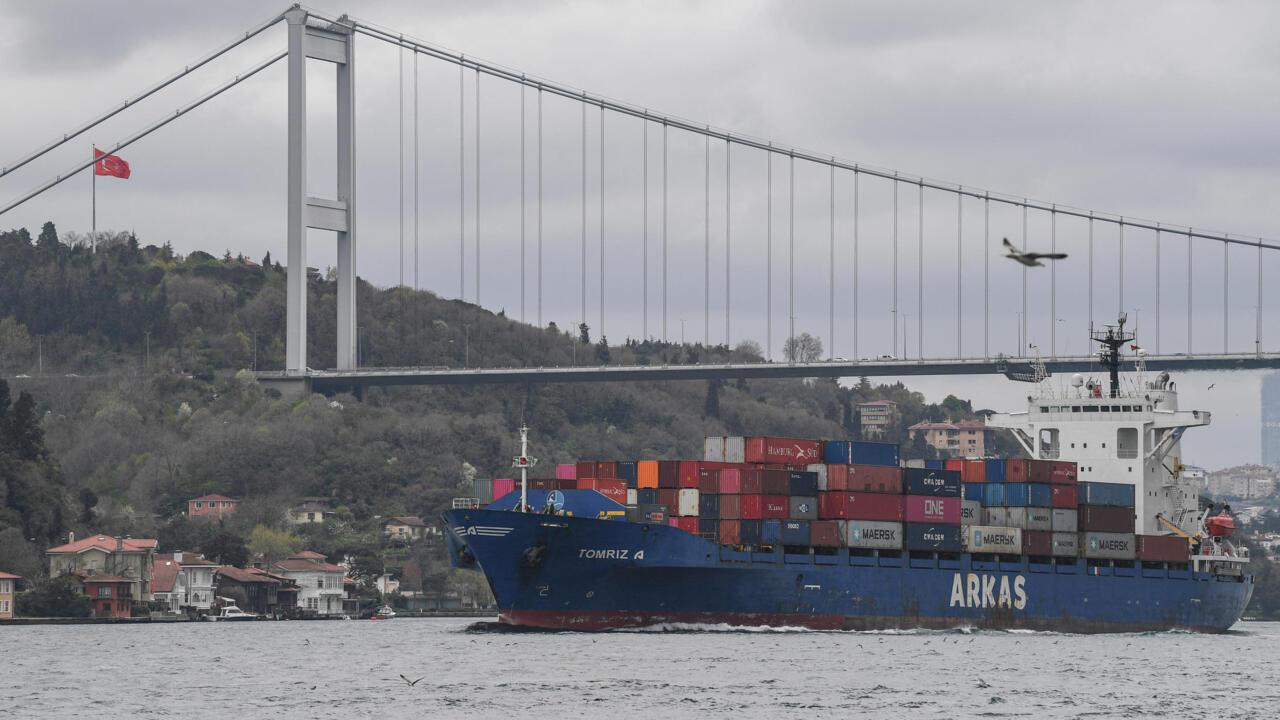
Türkiye resumed allowing ships to transit its straits on the way to the Black Sea after delays for some vessels amid heightened security risks, with crude oil tanker Aegean Dream entering the Dardanelles Strait on Sunday after waiting in the area since Thursday.
Ship tracking data cited in the reporting showed Aegean Dream signaling its destination as the Caspian Pipeline Consortium terminal in Russia’s Novorossiysk, and container vessel Mehmet Kahveci A also passing through the waterway early Sunday signaling Novorossiysk.

The Directorate General of Coastal Safety had told some ships bound for Russian and Ukrainian ports that it wasn’t currently issuing transit permits for such voyages, and authorities did not give the vessels a reason for the move.
Foreign Minister Hakan Fidan said Ankara asked Russia and Ukraine to declare a “moratorium” on attacks in the Black Sea, and he added, “We have several measures regarding this matter that we presented to our president. We are putting them into effect.”
Conflicting Accounts, Named Voices
Bloomberg reported that Türkiye started restricting commercial ship traffic into the Black Sea due to increasing concern about a surge in Russian and Ukrainian attacks on ships, and it said the coastguard agency told some vessels bound for Novorossiysk that it wasn’t issuing licences or needed extra time to review applications. Two Turkish officials told Reuters on Sunday that ships were passing smoothly through the straits to the Black Sea despite heightened concerns, saying Türkiye had implemented temporary measures but that passage was clear under the Montreux Convention.
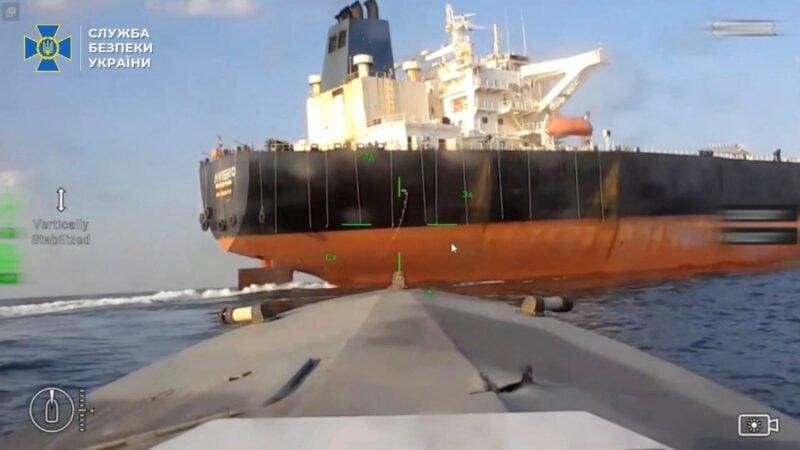
In parallel, the Kyiv Post quoted Foreign Minister Hakan Fidan warning that “The conflict has spread to the entire Black Sea,” and he said “Now they are attacking all merchant ships without exception,” including ships “belonging to Turks or flying the Turkish flag.” The same reporting tied the restrictions to a broader escalation in the maritime war, noting that in July Ukraine recorded 35 Russian attacks on ships in port, 22 attacks on vessels at sea, and 67 strikes on port infrastructure.
Tourism-Adjacent Stakes
The shipping slowdown and the resumption of passage both sit inside a wider risk picture for trade routes, because the Black Sea straits are described as “among the world’s busiest narrow shipping waterways” under the 1936 Montreux Convention. Türkiye’s Transport and Infrastructure Ministry figures released on 3 August showed that 40,218 ships passed through the Dardandelles and Bosphorus in the first half of 2026, even as the reporting described heightened security risks.
“The Black Sea straits are among the world’s busiest narrow shipping waterways.”
The Economic Times said Türkiye’s Foreign Ministry reiterated its call to “all relevant actors, especially the warring parties, to urgently implement concrete measures to ensure navigational safety in the Black Sea,” warning that escalation would have “multifaceted negative consequences,” including for food security. The Economic Times also framed the potential knock-on effects for global markets, linking concerns about grain supplies from the Black Sea region to wheat prices “to a two-year high in July,” and it said the delays could create another hurdle for global trade when oil supplies were already facing disruption from the war in Iran and lower flows through the Strait of Hormuz.