Pakistan23 October, 20253 min read
Pakistan Government Bans Hard-Line Islamist Party After It Kills Five Police in Violent March
This article is an automated aggregation of coverage from news outlets. Our editorials offer in-depth analysis curated by the NewsCord team.
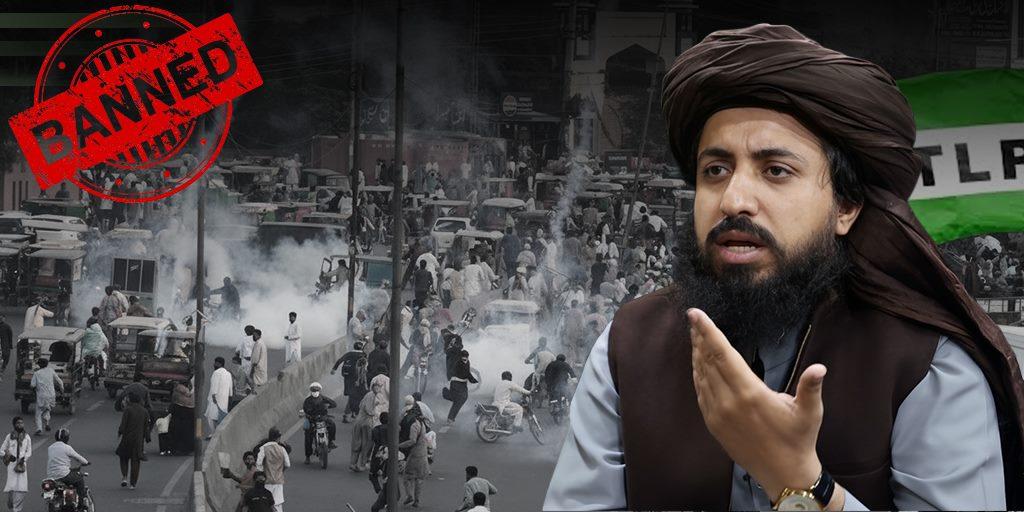
Pakistan banned Tehreek-e-Labbaik Pakistan under the Anti-Terrorism Act after violent protests. Clashes between TLP supporters and police in Punjab resulted in at least five deaths.
15 outlets told this the same way.
Outlets did split on Tehrik-E-Taliban Pakistan Suicide Attack Kills At Least 27 in Kohat Mosque Blast →
Ban on TLP after Clashes
Pakistan’s federal cabinet has banned the Tehreek-e-Labbaik Pakistan (TLP) after deadly clashes with police. The decision was made following a recommendation from Punjab authorities and by invoking anti-terrorism powers. Western mainstream outlets emphasize the cabinet’s unanimous decision and the state’s rationale, citing the group’s violent and extremist activities.
“Pakistan has banned the hard-line Islamist party... following violent clashes with police that resulted in at least five deaths.”
Multiple sources note this is the second time TLP has been proscribed, after a 2021 ban that was later lifted. Reports on the death toll vary: several outlets specify at least one police officer and four civilians among the dead. Other sources mention at least five deaths without providing a detailed breakdown.

One West Asian science outlet reports totals ranging from five to as many as sixteen fatalities. The ban designates TLP as a proscribed organization under the Anti-Terrorism Act. This action follows a week of disorder centered around Lahore and nearby towns along the route to Islamabad.
Protests and Clashes Overview
Accounts differ on the nature and destination of the march that preceded the ban. Several sources describe a Gaza solidarity or pro-Palestinian rally planned in Islamabad. One West Asian outlet specifies a sit-in outside the US Embassy.
An Asian business outlet links the unrest to protests against a US-brokered Israel-Hamas ceasefire near Lahore and in Muridke. Injury figures vary from over 100 police and many protesters to more than 1,600 injuries, highlighting both the scale and uncertainty of the toll. Reports agree that thousands of TLP supporters clashed with police near Lahore as the procession moved toward the capital.
Crackdown on TLP Activities
Authorities launched a sweeping crackdown alongside the ban. Reports detail raids on the TLP leader’s home, the sealing of mosques and seminaries, anti-terrorism cases, and large-scale arrests. Figures range from “hundreds” detained to “over 6,000 activists” arrested, alongside closures of 61 religious schools and freezes of party bank accounts and properties.
“Authorities are currently searching for TLP leader Saad Rizvi, who went into hiding after the recent unrest.”
Officials say the party’s offices were shut and its arms licenses suspended. Police continue to search for leader Saad Rizvi, who went into hiding after the clashes.
Overview of TLP's Background
Coverage traces TLP’s roots and ideology to hard-line defenses of Pakistan’s blasphemy laws. Western outlets link the party to brutal mob violence and to momentum gained after the 2011 assassination of Punjab governor Salman Taseer. West Asian outlets add religious lineage, noting its Barelvi base, founding details, and electoral growth, with nearly 2.9 million votes in 2024.
Local and mainstream reports emphasize the earlier 2021 ban tied to protests over French caricatures and its later reinstatement. Across sources, TLP is labeled variously as “hard-line,” “radical,” and “far-right.”

Debate Over Political Ban
Contentious debate surrounds the ban’s efficacy and legitimacy. TLP has rejected the decision as “unconstitutional and politically motivated.” ThePrint argues the move is largely symbolic—a “ban without a ban”—because proscription under the Anti-Terrorism Act does not deregister the party under election law.
“TLP has rejected the ban, calling it unconstitutional and politically motivated.”
A West Asian science outlet adds that former Prime Minister Imran Khan criticized the ban, showing political pushback that many Western mainstream accounts omit. Meanwhile, some coverage folds the ban into a broader domestic-crisis narrative that ranges from militancy pressures to extreme smog in Punjab. This reflects divergent editorial priorities across regions.
