
Pakistan Mediates US-Iran Ceasefire Talks Amid US-Israel War on Iran
Key Takeaways
- Pakistan positions itself as a key mediator between the US and Iran.
- Pakistan uses back-channel diplomacy to push negotiations between Washington and Tehran.
- Pakistan has offered to host talks and facilitate dialogue among parties.
Pakistan's Diplomatic Role
Pakistan has emerged as a key diplomatic mediator in the escalating tensions between the United States, Israel, and Iran.
“The strong relationships Pakistan has with the United States, with Saudi Arabia, with Iran and with China are a testament to Pakistan’s commitment," the Pakistani prime minister's spokesperson, Zaidi said”
Multiple sources confirm Islamabad's active role in facilitating ceasefire talks through its diplomatic channels.
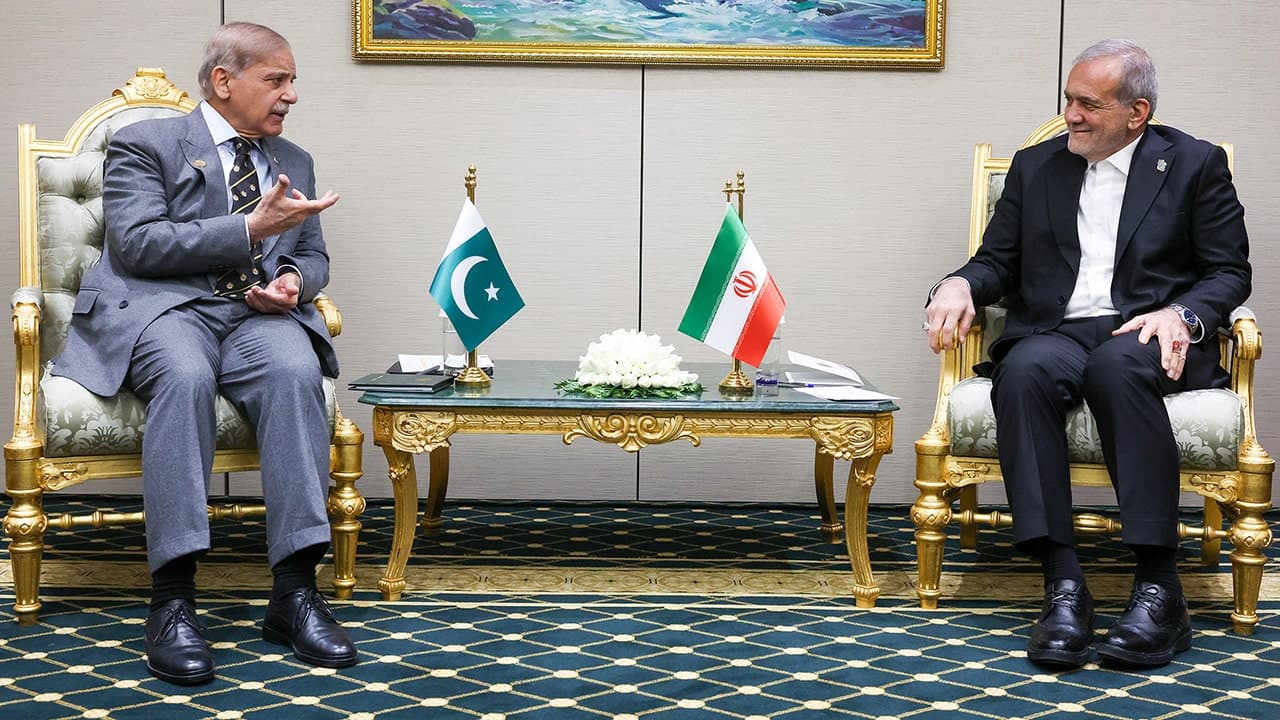
Pakistan has positioned itself as a neutral intermediary by offering to host high-level discussions between senior Trump administration officials and Iranian leadership.
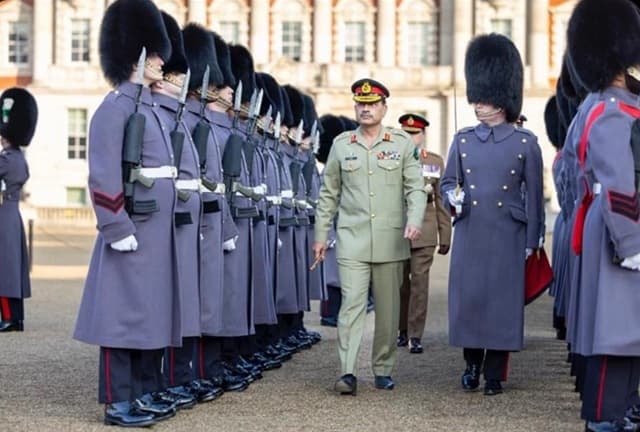
According to the Financial Times reported by KSLM Radio, Pakistan's army chief, Field Marshal Asim Munir, held a phone conversation with US President Donald Trump.
Prime Minister Shehbaz Sharif separately spoke with Iranian President Masoud Pezeshkian, demonstrating Pakistan's dual diplomatic approach.
Sri Lanka Guardian adds that Pakistan has proposed hosting talks as early as this week, bringing together representatives from both sides.
India Weekly reports that Pakistani prime minister Sharif has maintained multiple communications with Iran's leadership since the conflict began.
Pakistan's foreign minister Ishaq Dar has informed Arab counterparts of Islamabad's mediating role, though details remain limited.
The Sunday Guardian notes that Pakistan's offer to host talks could become a turning point if both sides agree to engage.
Analysts caution that quick resolution remains unlikely due to significant differences between Washington and Tehran.
Conflict Context
The ongoing mediation efforts occur against the backdrop of a military conflict between the United States, Israel, and Iran that has significantly heightened regional tensions.
The US Sun reports that plans have been drawn up for Donald Trump's marines to storm Iran's vital island fortresses to unlock the Strait of Hormuz.

Operations include B-2 strategic bombers pounding IRGC missile bunkers on several islands, with V-22 Osprey rotor-wing aircraft preparing for airlift operations.
Fox News highlights the precarious situation Pakistan faces as the Iran war intensifies, with Islamabad pursuing cautious diplomacy by condemning strikes while urging de-escalation.
The Times of India adds that the conflict and stalled diplomatic channels continue to keep the region on edge, despite Trump's social media posts temporarily affecting oil prices.
Iranian officials have dismissed claims of negotiations as 'fake news' and warned of 'special events' targeting Israel and US allies, according to The US Sun.
Iran has publicly denied direct negotiations, insisting any resolution must include security guarantees, reparations and recognition of its fundamental rights, as reported by Gulf News.
Pakistan's Unique Position
Pakistan's unique geopolitical position provides significant advantages for its mediation role, with multiple sources highlighting the country's distinctive attributes.
“Still, Iranian officials acknowledged that some countries are passing messages between the two sides”
Unlike other US allies in the region, Pakistan does not host American military bases and has avoided becoming a target of Iranian retaliation, according to Sri Lanka Guardian.
This position gives Islamabad diplomatic flexibility that other regional powers lack.
The country's longstanding ties with both Tehran and Gulf states, combined with its significant Shia population, provide rare diplomatic credibility across the regional divide.
Fox News adds that Pakistan is home to the world's second-largest Shiite community after Iran, which is crucial for containing domestic tensions and staving off potential insurgencies.
Gulf News explains that Pakistan's relevance stems from its rare ability to maintain working relationships with both Washington and Tehran.
Geographic proximity to Iran combined with long-standing diplomatic ties gives Islamabad both urgency and access to both sides.
The Sunday Guardian notes that Pakistan's neutrality has helped it avoid direct attacks and strengthened its position as a mediator.
Regional Diplomatic Initiative
Pakistan's mediation efforts are part of a broader regional diplomatic initiative involving multiple countries working to de-escalate tensions.
India Weekly reports that Egypt, Turkey, and Gulf states are also helping relay messages between the US and Iran.

Turkey has been working particularly closely to try to secure a temporary ceasefire, according to the same source.
Sri Lanka Guardian adds that Pakistani officials have been facilitating indirect communication between Iranian representatives and key figures in Trump's circle.
This communication includes envoy Steve Witkoff and Jared Kushner, indicating the depth of Pakistan's diplomatic engagement.
The Sunday Guardian emphasizes that the involvement of multiple mediators highlights the urgency of preventing further escalation.
Turkey had been involved in mediation before the war and is now holding talks with both Iranian officials and Trump's envoy Steve Witkoff.
The Times of India notes that Pakistan's foreign minister spoke with his Turkish counterpart, while Egypt's foreign minister held conversations with both Iranian and Pakistani counterparts.
Gulf News describes this as regional coordination forming a 'strategic diplomatic conduit' to bridge gaps between the adversaries.
Challenges and Uncertainties
Despite Pakistan's diplomatic initiatives and regional support, significant challenges and uncertainties remain in the mediation process.
“arrow-down comments printer search bell top-nav right-arrow left-arrow arrow-down”
Fox News quotes Edmund Fitton-Brown, who suggests that Pakistan's mediation efforts are 'unconvincing' due to its record of staying out of military entanglements.
The Sunday Guardian notes that analysts caution that early-stage backchannel messaging does not guarantee a breakthrough in the negotiations.
One expert quoted by The Sunday Guardian states that Iran feels it has the upper hand and leverage, viewing the situation as about survival.
Gulf News adds that despite early signs of progress, the path to a ceasefire remains uncertain.
The current pause in US strikes is conditional and limited, and Iran has not yet signaled readiness for formal negotiations.
The Times of India reports that while Pakistan has offered its capital as a venue for discussions, these are sensitive diplomatic matters.
The United States has stated it will not negotiate through the news media, indicating confidentiality challenges in the mediation process.
Potential Implications
The potential success of Pakistan's mediation efforts could have significant implications for regional stability and global energy markets.
Sri Lanka Guardian reports that Pakistan's military chief held direct communication with former US President Donald Trump.
Prime Minister Muhammad Shehbaz Sharif engaged in discussions with Iranian President Masoud Pezeshkian according to the same source.
These diplomatic exchanges coincided with Trump announcing a temporary delay of his threat to target Iran's power infrastructure.
Trump described these conversations as 'very good and productive' with Tehran, suggesting progress in de-escalation efforts.
The Sunday Guardian emphasizes that Pakistan's outreach signals a shift from cautious statements to direct involvement in peace-building initiatives.
This positions Pakistan as a key player in efforts to de-escalate the ongoing war involving major global powers.
Gulf News suggests that attention is likely to shift from the battlefield to negotiation tables, potentially in Islamabad.
The Times of India adds that successful mediation is crucial for preventing wider regional destabilization and energy market disruptions.
More on Iran
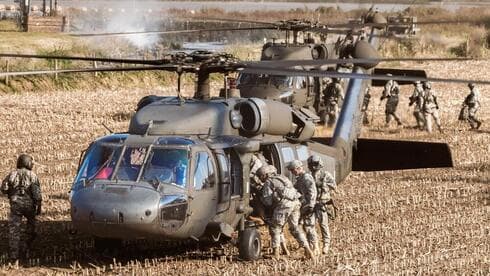
US Deploys 82nd Airborne Division to Middle East as Iran War Escalates
42 sources compared

U.S. sends 15-point plan to end Iran war
16 sources compared

President Trump says talks underway to end war with Iran; Iran denies talks.
15 sources compared

President Donald Trump threatens to obliterate Iran's energy infrastructure after 48-hour Strait of Hormuz deadline.
10 sources compared