Pakistan09 November, 20253 min read
Pakistan Senate Advances 27th Amendment to Centralize Military Command and Reshape Judiciary
The 27th amendment proposes creating a Federal Constitutional Court limiting Supreme Court powers. The amendment centralizes military command by establishing a powerful Chief of Defence Forces position.
7 outlets told this the same way.
Outlets did split on Tehrik-E-Taliban Pakistan Suicide Attack Kills At Least 27 in Kohat Mosque Blast →
Pakistan's Constitutional Amendments
Pakistan’s Senate has advanced debate on a sweeping 27th constitutional amendment that would centralize military command and reshape the judiciary. West Asian outlet Arab News reports the Senate is set to resume debate Monday, with the National Assembly meeting later the same day, on provisions that would introduce a Chief of Defense Forces (replacing the Chairman Joint Chiefs) and establish a constitutional court. The amendment would also revise the sensitive National Finance Commission (NFC) revenue formula that affects provincial autonomy.
“The Senate debate continues Monday, with the National Assembly scheduled to meet later the same day.”
India Today emphasizes that the Law Minister’s amendment would create a Federal Constitutional Court (FCC) and confine the Supreme Court largely to appellate work. The amendment would also install a powerful Chief of Defence Forces with authority over all services and lifetime immunity.

Asia News Network focuses on process and scope, noting joint committees have finished about 85% of their work, with pending decisions on high court judge transfers and the field marshal’s status under Article 243. Photonews.pk adds that cabinet-level discussions on immunity have been intertwined with the package, reporting movement on presidential and prime ministerial immunity proposals.
Judicial Reform Proposals in Pakistan
Judicial overhaul is a central pillar of the plan. India Today (Asian) reports the FCC would restrict the Supreme Court’s role to appellate jurisdiction, removing its constitutional oversight powers. Arab News (West Asian) more generally notes a proposal to establish a constitutional court and to modify judicial transfer procedures.
Asia News Network (Other) adds granular changes, saying transfers of high court judges could be made by the Judicial Commission of Pakistan without necessarily requiring the judges’ consent. Committees are still debating transfer mechanisms.

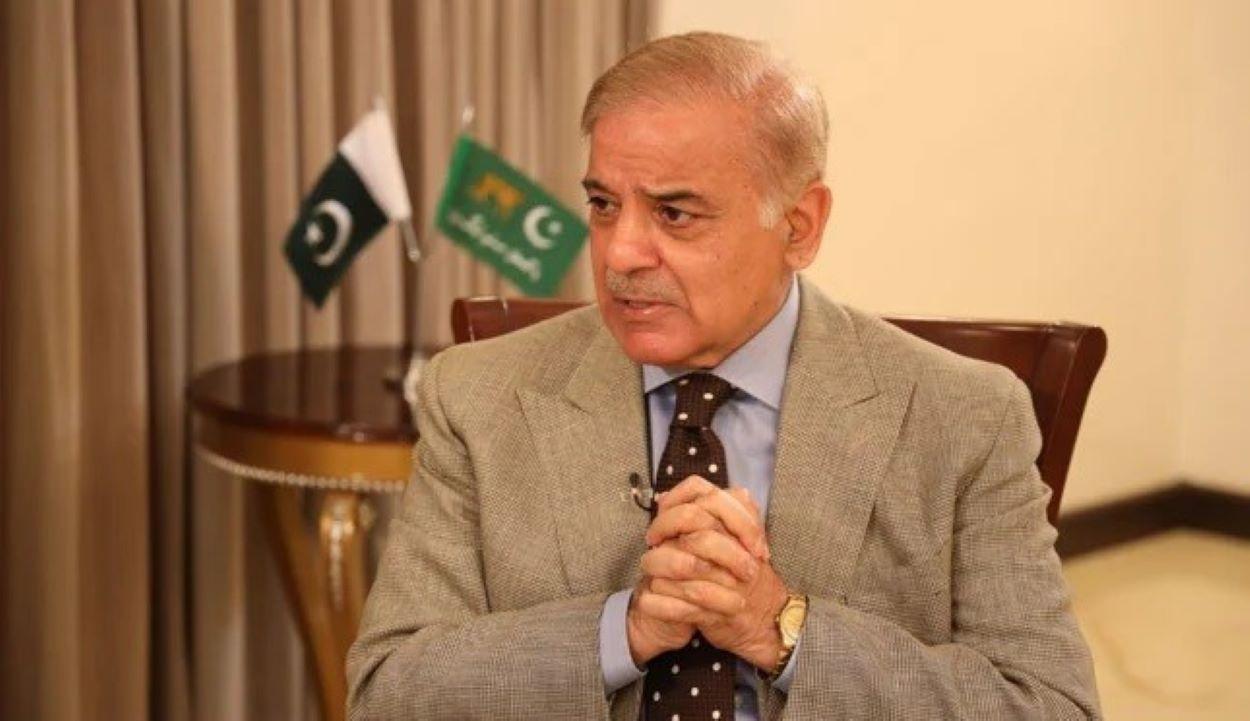
Prime Minister Shehbaz Sharif ordered withdrawal of proposed legal immunities to stress accountability. Together, these accounts underscore a move to relocate constitutional review to a new court and to tighten administrative control over judicial assignments, albeit with differing levels of specificity across sources.
Military Command Structure Changes
Arab News (West Asian) reports that the package would replace the Chairman of the Joint Chiefs with a new Chief of Defense Forces. This change would elevate the army chief to the top constitutional military role and formalize appointments by the president on the prime minister’s advice. India Today (Asian) adds that the Chief of Defense Forces would command all branches and enjoy lifetime immunity from prosecution.
Asia News Network (Other) notes that although committees have completed about 85% of the work, key issues such as the status of the field marshal under Article 243 remain undecided. This indicates that the final details of the command structure are still under negotiation.
Political Opposition to Judicial Bill
Political fault lines are sharp. Asia News Network reports the opposition alliance TTAP, including PTI, strongly opposes the amendment, calling it a dangerous undermining of judicial independence and constitutional balance. The opposition has announced nationwide protests.
The government rejects claims of a rushed process and says the bill has undergone extensive scrutiny. Arab News highlights broader objections that the package could weaken provincial autonomy, fundamental rights, judicial independence, and civilian control over the military. Prime Minister Shehbaz Sharif frames the goal as strengthening the federation and improving governance.

India Today focuses more on the institutional blueprint than on the street politics, noting the formal start of Senate discussions led by Law Minister Azam Nazir Tarar. Asia News Network also notes that Shehbaz has consulted coalition partners but not the PTI, underscoring the partisan divide.
Debate Over Legal Immunity
A key controversy is immunity. Asia News Network reports Prime Minister Shehbaz Sharif directed the withdrawal of proposed legal immunity for the prime minister and president, emphasizing accountability. In apparent contradiction, Photonews.pk says the federal cabinet approved a draft to grant the President lifetime immunity while Shehbaz ordered the withdrawal of a separate proposal that would have granted immunity to the prime minister.
“Prime Minister Shehbaz Sharif has directed the withdrawal of proposed legal immunity for the prime minister and president, emphasizing accountability.”
India Today separately reports another immunity element tied to the military side—the proposed CDF’s lifetime immunity—underscoring that multiple immunity questions are entangled in the reform debate. Until reconciled by lawmakers’ final text, these accounts point to ambiguity and intra-government contention over how far immunity provisions will go.
