Full story
Harvest Under Threat
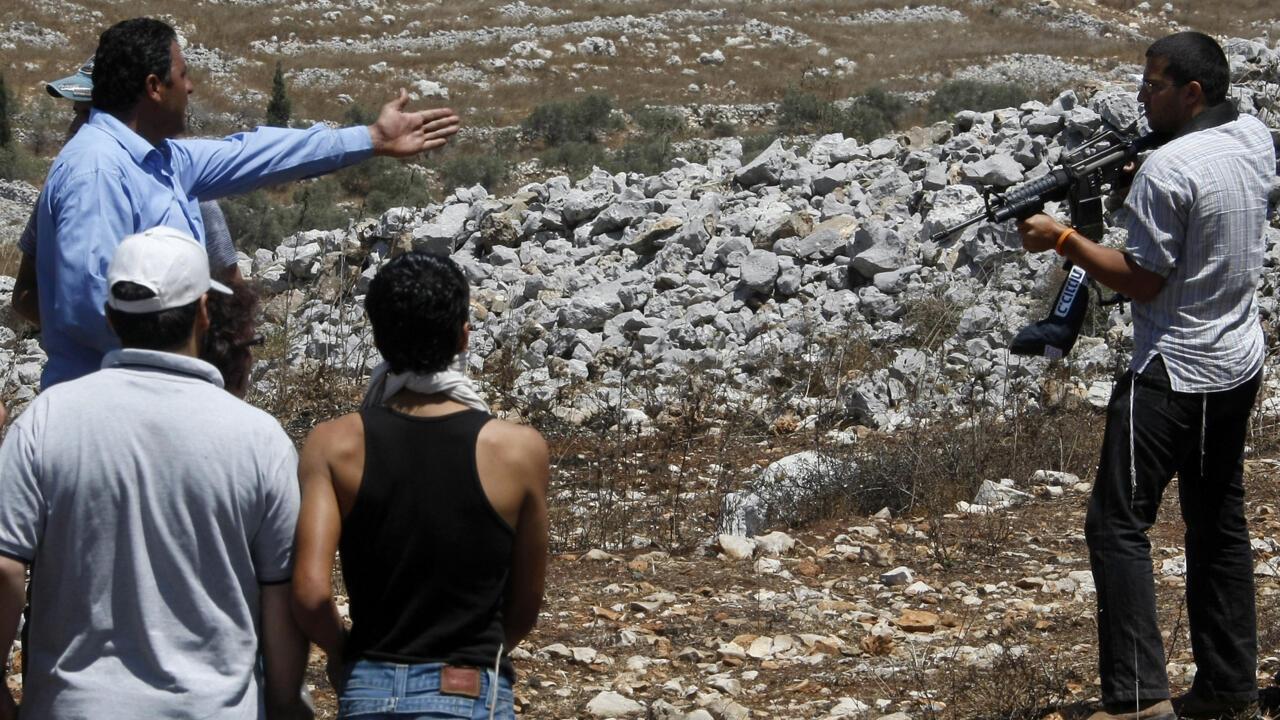
In the occupied West Bank, Palestinian farmer Hamad Jazi and his relatives rush to harvest their wheat under intense summer heat as they fear Israeli settlers will burn their crops.
Jazi said, "The settlers have set fires twice already – yesterday and the day before," and he warned that "If you think back to 10, 15 or 20 years ago, this season used to be a season of abundance."

The Straits Times reported that As-Sawiyah sits in the centre of the occupied West Bank in a valley dominated by hills where three settlements stand, with Jazi racing to collect wheat using a makeshift combine harvester.
The same reporting tied the pressure to the Gaza war that began in October 2023, saying Hikmat Abu Ras described near-daily attacks from settlers since the start of the war.
UN humanitarian agency OCHA data cited by the Straits Times put 2026 among the most violent years to date, with an average of six attacks a day linked to settler violence.
Voices and Accusations
Jazi told AFP that the harvest has shifted from abundance to urgency, saying, "Today, you are racing against time just to harvest quickly and leave," as settlers set fires and rural communities face harassment.
Hikmat Abu Ras, head of As-Sawiya’s village council, said his community has faced "near-daily attacks from settlers since the start of the war in Gaza in October 2023," and he linked the pressure to driving Palestinians off their land.

Abu Ras added that movement restrictions isolate communities, saying, "Gates block the entrances to villages, camps and cities. Movement is restricted."
In a separate account, Arab 48 quoted Jazi describing the change in daily life as he said, "We have begun stealing our olives or our crops," and it said the Israeli army requires coordination before entering fields.
The Arab 48 report also quoted Abu Ras saying, "They always try to practice these actions to drive us off our land, or prevent us from entering our land."
What’s at Stake Next
The reporting tied the violence to measurable damage to livelihoods, with Mahmud Fatafta of the Palestinian Authority’s agriculture ministry saying settlers killed or stole 8,000 goats or sheep in the West Bank in 2026.
“Toggle Play Israeli settlers threaten to kill Palestinian farmer and harass sheep A 75-year-old Palestinian farmer recounts the moment a large group of Israeli settlers threatened him with death, hitting him and harassing his livestock”
Fatafta also said approximately 41,000 olive trees were damaged by settlers or military activities in 2026, and the Minute Mirror reported that olive trees are economically and culturally important for Palestinians.
The Straits Times described how the violence and restrictions affect access to land, quoting Jazi’s complaint that the Israeli military requires him to coordinate with it before entering his fields.
In the Chronique de Palestine account of the 2025 olive harvest, Munther Amira said, "Settlers are trying to prevent farmers from harvesting their olives, so we come to help them," as journalists described injuries, arrests, and death during the harvest season.
That same report said that during the 2025 harvest in Beita, "Less than five minutes later, six Israeli soldiers arrive in a jeep," and it described flash-bangs and tear gas grenades falling as the harvest deteriorated.