Gaza Genocide22 July, 20263 min read
Khalil al-Hayya Sets Hamas Priorities, Including Halting Israeli Aggression and Rebuilding Gaza
This article is an automated aggregation of coverage from news outlets. Our editorials offer in-depth analysis curated by the NewsCord team.
Comprehensive halt to Israeli aggression and full withdrawal from Gaza. Rebuild Gaza and restore a decent life for its residents.
Al Jazeera was read line by line by the Watchdog: 4.8. See the score →
Hamas names al-Hayya
Hamas political bureau chief Khalil al-Hayya was named head of the group’s political bureau, and Dr. Michael Milshtein of the Moshe Dayan Center for Middle Eastern and African Studies at Tel Aviv University told The Jerusalem Post that “Little will change in Hamas now that Khalil al-Hayya has been named head of its political bureau.”
Milshtein said Hayya would now avoid the “financial burden of administering the Gaza Strip,” while continuing to function as the de facto leader in Qatar after the assassination of his predecessors.

Milshtein also said Hayya’s first focus would be hastening selective components of the second phase agreement with Israel, including promoting “the project of the technocratic government” and “the deployment of international forces,” while insisting on saying no to “total and immediate disarmament.”
In parallel, Al Jazeera reported that al-Hayya’s televised address set out priorities including an immediate and complete cessation of Israeli aggression in Gaza and a pledge to rebuild Gaza, alleviate suffering, free political prisoners held in Israel, and unite Gaza, the West Bank and Jerusalem in a single “free and proud Palestine.”
Speech and competing frames
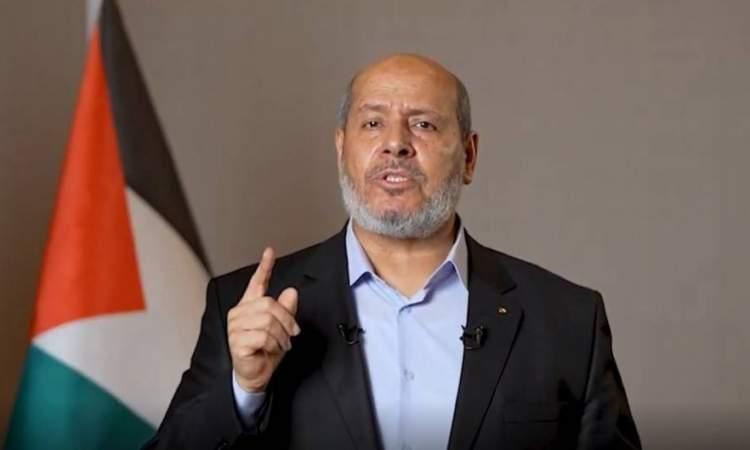
In his first speech after election as head of Hamas’s political bureau, Khalil al-Hayya identified priorities led by “a comprehensive halt to Israel's war on the Gaza Strip and the full withdrawal of occupation forces from the territory,” and he called on states sponsoring the negotiations to exert “real pressure” on the Israeli government. Al-Hayya also told Al Jazeera that Hamas would resist attempts to force Palestinians out of Gaza and thanked the countries trying to end Israel’s “genocidal war,” while setting out a goal of a Palestinian state encompassing Gaza and the Israeli-occupied West Bank with its capital in East Jerusalem.
The Jerusalem Post’s Milshtein framed the leadership shift as largely tactical, saying there was “no ideological difference between the two” leaders and predicting that “in the day after the elections, we will find ourselves in the same situation as the day before.” Milshtein said Hamas was anticipating little change in the Strip after Hamas agreed earlier this month to hand over control of Gaza to the US-backed National Committee for the Administration of Gaza, arguing that the technocratic government would be “a kind of cosmetic cover” enabling Hamas to keep its weapons and remain “the prominent player in Gaza.”
What comes next
Al-Hayya’s priorities in the coming phase repeatedly returned to ending the war and stopping displacement, with Al Jazeera quoting him saying “One of our priorities is to restore a dignified life for our people in Gaza, to thwart all plots being hatched, particularly those aimed at displacement.” Al Jazeera also reported that he pledged Hamas would “work to free the prisoners, end their suffering, and provide them with a life befitting their struggle and sacrifices,” while calling for a single united political horizon spanning Gaza, the West Bank and Jerusalem.
Beyond the internal agenda, Milshtein told The Jerusalem Post that Hayya would “promote the project of the technocratic government” and “the deployment of international forces,” while insisting on saying no to “total and immediate disarmament,” and he predicted Hamas would not be “afraid of the future.” Milshtein further argued that Hamas would not end what he described as theft of humanitarian aid and would continue to oppress Palestinians, while prioritizing having “the gangs working in opposition to them removed from Gaza,” ensuring “little changes domestically.”