Africa27 October, 20252 min read
Paul Biya Crushes Opposition, Extends 43-Year Autocratic Rule Amid Deadly Protests in Cameroon
This article is an automated aggregation of coverage from news outlets. Our editorials offer in-depth analysis curated by the NewsCord team.
Paul Biya, 92, won the October 12 election with 53.66% for an eighth term. Opposition candidate Issa Tchiroma and supporters allege vote rigging and claim victory.

24 outlets told this the same way.
Cameroon 2025 Election Results
Cameroon’s Constitutional Council declared 92-year-old President Paul Biya the winner of the October 12, 2025 presidential election with 53.66% of the vote. This victory extends his 43-year rule and keeps him in office until 2032. His main challenger, former minister and onetime ally Issa Tchiroma Bakary, was officially credited with roughly a third of the vote.
“Cameroon's President Paul Biya, aged 92 and the world's oldest leader, was officially declared the winner of the recent presidential election with 53.66% of the vote, allowing him to remain in power until 2032.”
Bakary claimed victory based on his party’s tallies and rejected the official outcome. Several outlets highlight Biya’s status as the world’s oldest sitting leader as they report the official confirmation and its immediate fallout. Deadly unrest flared around the announcement, especially in Douala, where at least four people were killed amid clashes between protesters and security forces.
Protests and Government Response
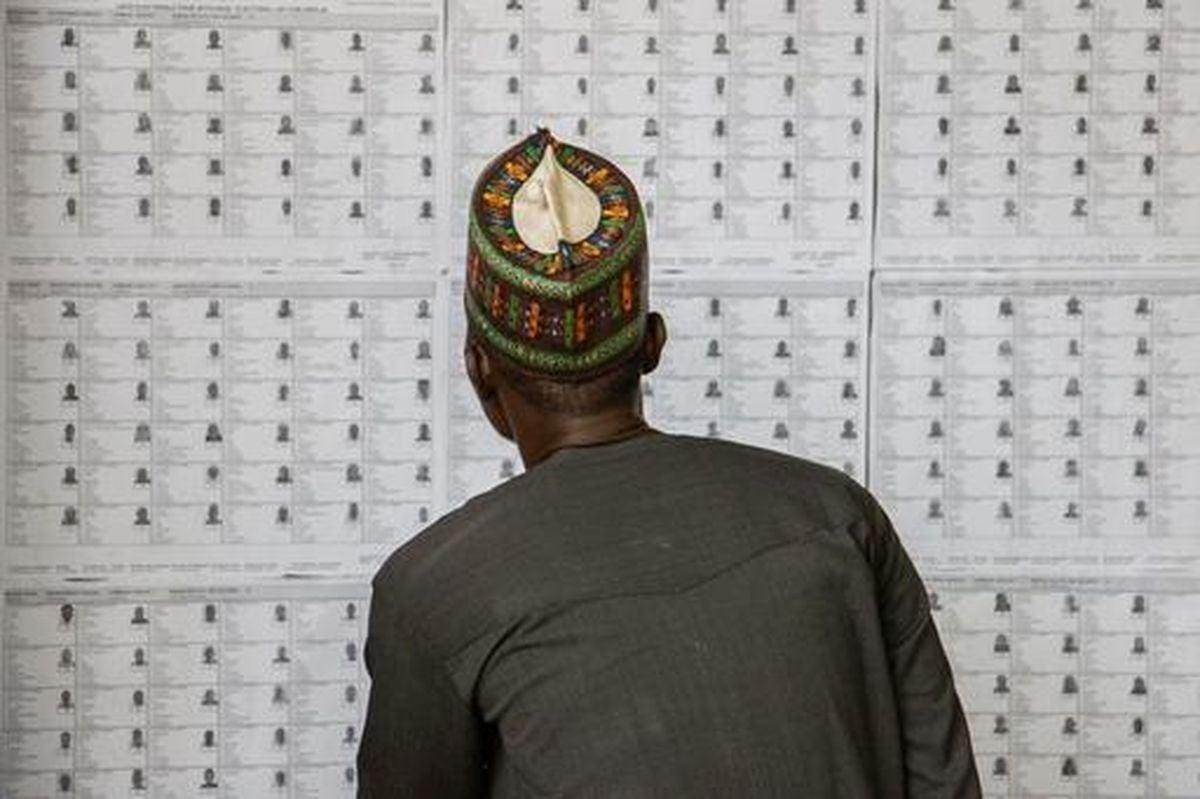
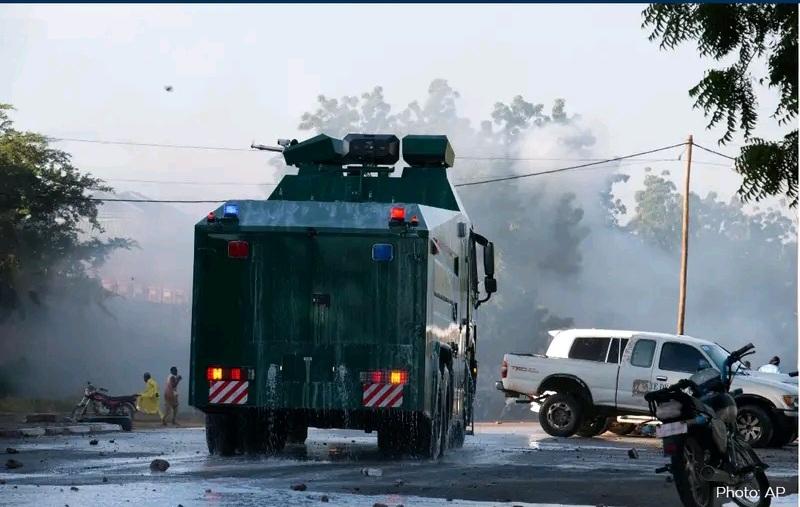
Street protests over the disputed result erupted across several cities, with Douala becoming the epicentre. Multiple outlets report at least four protesters killed and over 100 arrests as security forces used tear gas and, in some accounts, water cannons to disperse crowds.
Protesters blocked roads, burned tyres, and even effigies, as the government imposed or declared bans on demonstrations. While authorities accused some protesters of violent plots and arrested opposition figures, Tchiroma’s supporters insisted they were defending their votes and demanded credible results.

Election Dispute and Unrest
Competing narratives hardened after the election. Tchiroma repeatedly declared himself the rightful winner, at times calling it a “landslide victory,” and urged supporters to mobilize. The ruling party and institutions rejected his claims and pressed for patience with official channels.
“Opposition figure Tchiroma declared a ‘landslide victory’ and urged Biya to concede, but the ruling party and election authorities rejected these claims.”
Concerns about rights and security around Tchiroma’s safety were reported. One outlet relayed alleged gunfire targeting civilians near his residence in Garoua. Another described youths gathering with crude weapons outside his home amid fears of an arrest attempt.
The Constitutional Council affirmed Biya’s victory and, according to the BBC, rejected petitions alleging malpractice. The government publicly denied irregularities. In some places, internet blackouts were reported during the unrest.
Cameroon Political and Social Challenges
Underlying the turmoil are deep demographic and regional pressures. Youth anger is pronounced in a country where over 70% of the population is under 35, and many want change after decades of Biya’s rule. Voter turnout dropped to 58%, partly due to a separatist-imposed boycott in the English-speaking regions.
Security crises persist—from Boko Haram in the north to a violent secessionist insurgency that has caused thousands of deaths and displacements. Diaspora patterns also mattered, with Tchiroma drawing significant support among Cameroonians voting abroad even as Biya’s domestic vote remained decisive.

Cameroon Election Controversy
Questions about the election’s legitimacy and Cameroon’s trajectory remain acute. Critics accuse Biya’s government of suppressing dissent, limiting press freedom, and manipulating elections—allegations the ruling party denies. The BBC warns of potential instability if results are seen as unrepresentative.
“The opposition and analysts warn that Cameroon risks political instability if the election results do not reflect the people's will.”
Structural advantages underpin Biya’s grip: he removed presidential term limits in 2008 and rarely appears in public. He is often reported to spend long periods abroad, even as institutions affirmed his win and rejected malpractice claims.
Several outlets characterize the moment as one of controversy and deep dissatisfaction. Reports of internet blackouts during mobilization and calls for political change are intensifying.