Africa09 October, 20252 min read
US Senator Ted Cruz Accuses Nigerian Government of Enabling Christian Massacre Amid Security Crisis
This article is an automated aggregation of coverage from news outlets. Our editorials offer in-depth analysis curated by the NewsCord team.
Ted Cruz accuses Nigerian government of enabling mass killings of Christians. Nigerian Federal Government and lawmakers reject genocide claims as false and misleading.
6 outlets told this the same way.
U.S. Criticism of Nigeria's Security
U.S. Senator Ted Cruz escalated criticism of Nigeria’s handling of insecurity, accusing the government of enabling a “massacre” and even “genocide” against Christians.
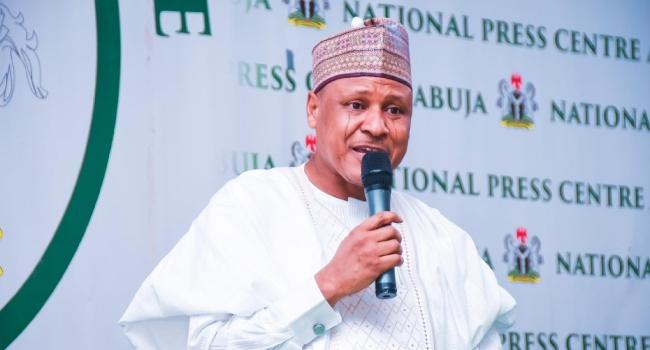
“Minister of Information Mohammed Idris described Cruz’s figures—over 52,000 Christians killed and 20,000 churches destroyed since 2009—as exaggerated and unsupported by credible evidence.”
He is pushing a sanctions bill in response to these allegations.

Al Jazeera reports that Cruz claims armed groups have killed about 50,000 Christians and destroyed thousands of schools and churches since 2009.
Cruz introduced a bill targeting officials he accuses of facilitating attacks, appealing to his evangelical base.
Nigerian outlets counter that Abuja flatly rejects these charges.
Ripples Nigeria quotes the Information Minister calling Cruz’s figures—“over 52,000” Christians killed and “20,000 churches” destroyed—exaggerated and unsupported.
Legit News says the House of Representatives dismissed the genocide narrative as “misleading.”
Sahara Reporters adds that Cruz’s Nigeria Religious Freedom Accountability Act of 2025 seeks a Country of Particular Concern designation and sanctions tied to religious violence or blasphemy laws.
However, Nigeria’s government and legislature strongly reject the accusations as mischaracterizing a broader insecurity crisis.
Nigeria's Response to Security Narratives
Nigeria’s institutional response has been swift and coordinated. Legit News reports that lawmakers called for a diplomatic and domestic strategy to counter what they describe as an inaccurate portrayal of the country’s religious situation linked to the U.S. bill. Ripples Nigeria echoes the federal government’s rejection, emphasizing that violent extremism harms both Christians and Muslims and denying any state involvement.
Al Jazeera reports that the Christian Association of Nigeria (CAN) cautions that violence affects multiple groups and warns against foreign actors exploiting Nigeria’s complex security crises. Sahara Reporters relays the official position that insecurity is driven by terrorism and communal conflict rather than targeted religious persecution.

U.S. Bill on Nigeria Sanctions
Cruz’s legislative effort is a central flashpoint.
“Cruz introduced the Nigeria Religious Freedom Accountability Act of 2025, aiming to label Nigeria a Country of Particular Concern and impose sanctions on officials linked to religious violence or blasphemy laws.”
Legit News references a U.S. Senate bill, S.2747, aiming to designate Nigeria as a “country of particular concern.”
Sahara Reporters specifies the Nigeria Religious Freedom Accountability Act of 2025, which would impose sanctions on officials linked to religious violence or blasphemy laws and push CPC designation.
Al Jazeera adds that Cruz is appealing to his evangelical base with this sanctions push.
Ripples Nigeria notes Abuja’s rebuttal that the numbers used to justify such measures are exaggerated and not backed by credible evidence.
Perspectives on Nigerian Violence
Civil society voices and framing battles complicate the picture. Ripples Nigeria quotes CAN acknowledging severe attacks on Christian communities, especially in northern Nigeria, while still urging protection for all citizens and accountability for perpetrators. Al Jazeera likewise reports CAN’s view that violence affects multiple groups and warns against foreign exploitation.
Sahara Reporters brings a distinct angle by highlighting a book about Nmadu, a faith leader advocating religious harmony and cautioning against divisive preaching, suggesting a path beyond polarized narratives. Legit News also features activist Omoyele Sowore’s critique that the violence stems from poor governance and insecurity rather than religious persecution, challenging both Abuja and Washington.