Published

Crime

Pennsylvania Attorney General Dave Sunday Charges 14 People In Penn State Fraternity Cocaine Ring

Cocaine ring charged

Pennsylvania Attorney General Dave Sunday announced charges against 14 people tied to an alleged cocaine trafficking ring involving two off-campus Penn State fraternities, with authorities saying the operation ran in 2023 and 2024.

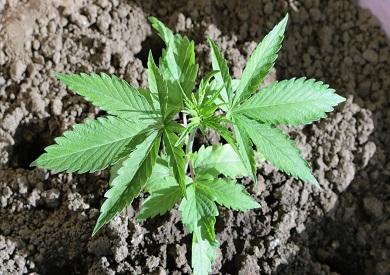
Image via Bawabat al-Shuruq

Consistent coverage

Where the coverage agrees

CBS, CNN, Fox, ABC, and local outlets broadly match the same cocaine-ring allegations.

At a glance

  1. Fourteen people, including 13 current or former students, charged in a cocaine ring.
  2. Operated from two off-campus fraternities: Delta Upsilon and Sigma Chi.
  3. Agostino Abbatiello, the alleged ringleader, surrendered to authorities.

CBS News said the cocaine was cut and packaged primarily at the Delta Upsilon and Sigma Chi fraternity houses before it was distributed, mostly to other Penn State students.

CNN reported that the man accused of leading the operation, 24-year-old Agostino Abbatiello, surrendered on Tuesday after failing to appear for a scheduled arraignment on Monday and was ordered jailed without bail.

Authorities said the ring used frat brothers and pledges as labor to cut and bag cocaine mainly at the Sigma Chi and Delta Upsilon fraternity houses, then distributed it through Penn State students, according to court documents described by CNN.

Pledges as labor

Sunday described the alleged operation as a “coordinated and highly-profitable drug-trafficking crew revolving around two senior members of the fraternities, other fraternity brothers, and pledges,” and CNN said court documents described an “upper-level trafficking organization for this region in Pennsylvania.”

CNN also quoted Sunday saying, “This was very serious criminal conduct. There was nothing junior or childlike about this type of conduct,” as the charges included felony corrupt organizations, conspiracy and dealing in proceeds of unlawful activity.

Penn State said it placed Delta Upsilon on interim suspension, while describing Sigma Chi as not recognized by the university and operating outside its oversight, according to CNN.

Sigma Chi executive director Michael Church said in a statement that the three Sigma Chi members charged have been suspended pending the outcome of the judicial process, and he said the fraternity suspended all operations at its Penn State chapter “while we determine whether these allegations reflect individual conduct or organized chapter activity,” as CNN reported.

Suspensions and next steps

Penn State’s response included interim suspension for Delta Upsilon while the Office of Student Accountability and Conflict Response investigates, and the school said Sigma Chi is not a recognized organization and operates outside the university’s support and oversight, according to ABC News.

ABC News quoted Andrea Dowhower, Penn State’s vice president for Student Affairs, saying, “We are horrified by these serious allegations against current and former students,” and she added that “Criminal activity, including hazing, such as this has no place at our institution.”

The charges also reached Paul Robinson, the father of a student, whom authorities said was accused of felony tampering and hindering apprehension for trying to conceal evidence and obstruct the investigation, according to CBS News.

CBS News said the attorney general’s office alleged that two former students, and Thomas Robinson, were the main suppliers, and it described the operation as involving regular trips from Philadelphia and New York for “large quantities” of cocaine.

Explore the original reporting

Compare all 29 sources

How each outlet frames it

Every outlet we compared, the headline it ran, and a link to the original article.

Western Mainstream

6abc Philadelphia
6abc Philadelphia

14 charged in alleged cocaine trafficking ring tied to Penn State University fraternities, ringleader surrenders

18 August, 2026

ABC
ABC

14 charged in alleged cocaine trafficking ring tied to Penn State University fraternities

18 August, 2026

ABC News
ABC News

14 face charges related to alleged cocaine ring at Penn State fraternities

18 August, 2026

Associated Press
Associated Press

Penn State frat pledges were made to cut and bag cocaine for college drug ring, authorities say

18 August, 2026

CBS News
CBS News

Penn State frat brothers charged with running cocaine trafficking ring

18 August, 2026

CNN
CNN

Penn State frat pledges were made to cut and bag cocaine for college drug ring, authorities say

17 August, 2026

Fox News
Fox News

Penn State cocaine bust nets 14 arrests over alleged pledge coke-cutting ‘indoctrination' rituals

17 August, 2026

Inquirer
Inquirer

14 people have been charged in a Penn State fraternity cocaine-trafficking ring

17 August, 2026

Los Angeles Times
Los Angeles Times

Penn State fraternity pledges were made to cut, bag cocaine for drug ring, authorities say

18 August, 2026

NBC News
NBC News

From accounting major and frat brother to suspected of being Penn State’s largest drug dealer

18 August, 2026

New York Post
New York Post

13 Penn State frat bros busted in cocaine trafficking ring—including Long Island student at ‘top of the food chain’

18 August, 2026

People
People

Penn State Students Accused of Running Cocaine Ring Out of 2 Fraternities, with Pledges Packaging Drugs

17 August, 2026

Telemundo
Telemundo

A fraternity member believed his arrest was a joke: it led authorities to a cocaine trafficking network

19 August, 2026

The Guardian
The Guardian

Penn State students accused of running cocaine trafficking ring at fraternity houses

18 August, 2026

The Washington Post
The Washington Post

Alleged leader of Penn State frat cocaine ring arraigned, denied bail

18 August, 2026

USA Today
USA Today

Penn State students accused of operating drug ring out of fraternities

18 August, 2026

Other

Centre Daily Times
Centre Daily Times

14 charged in large-scale cocaine trafficking operation at 2 Penn State fraternities

17 August, 2026

El Comercio de Colorado

Dismantling cocaine trafficking network run by fraternities at Penn State

18 August, 2026

Fox 59
Fox 59

14 charged in alleged drug trafficking operation at Penn State University fraternities

18 August, 2026

marca usa
marca usa

"Pablo Pledgescobar": The cocaine scandal in a Penn State fraternity that has everyone talking

19 August, 2026

Onward State
Onward State

14 Charged In Cocaine Trafficking Investigation Tied To Penn State Fraternities

17 August, 2026

Telemundo Denver
Telemundo Denver

Authorities: Freshmen at a U.S. university fraternity were handling cocaine for a drug trafficking network.

18 August, 2026

Telemundo New York
Telemundo New York

Who is Agostino Abbatiello? The alleged Penn State cocaine ring mastermind surrenders

19 August, 2026

The Pennsylvania State University

Penn State responds to serious criminal charges against current and former students

17 August, 2026

voz.us
voz.us

Penn State: 14 people arrested over a cocaine network linked to alleged fraternity initiation rites

18 August, 2026

WHP Harrisburg
WHP Harrisburg

More than a dozen Penn State frat brothers trafficked, sold cocaine: attorney general

18 August, 2026

WPSU
WPSU

14 charged in cocaine trafficking ring at two Penn State fraternities, AG says pledges packed drugs

17 August, 2026

Latin American

Univision
Univision

Fraternity aspirants at Penn State were packaging cocaine; alleged leader turns himself in

18 August, 2026

West Asian

Bawabat al-Shuruq
Bawabat al-Shuruq

Addiction with a cancer flavor… a study reveals the rates of carcinogenic metals in the cannabis drug.

19 August, 2026

Read stored source text: 6abc Philadelphia

The two alleged leaders are accused of making regular trips to Philadelphia and New York for large quantities of cocaine. STATE COLLEGE, Pa. (WPVI) -- Fourteen people are facing charges in connection with an alleged cocaine-trafficking operation at Penn State University, Pennsylvania Attorney General Dave Sunday announced on Monday. The AG's office says 13 of the defendants were students at the time this happened in 2023 and 2024. The 14th defendant, the father of one of the students, who is is accused of hiding drugs and cash in a safe. Authorities say at least four of the individuals charged are current students. Investigators allege that senior fraternity members Agostino Abbatiello and Thomas Robinson were the leaders of the operation, supplying cocaine, while others cut and packaged the drugs primarily at the Delta Upsilon and Sigma Chi fraternity houses. The two are charged with making regular trips to Philadelphia and New York for large quantities of cocaine between 2023 and 2024. Abbatiello, 24, surrendered to authorities Tuesday morning. He was arraigned on numerous felonies, including multiple counts of possession with intent to deliver (cocaine), and conspiracy. He has been denied bail. "This was a coordinated and highly-profitable drug-trafficking crew revolving around two senior members of the fraternities, other fraternity brothers, and pledges," Attorney General Sunday said. "In fact, according to the evidence uncovered, cutting and packaging cocaine was, for some pledges, an indoctrination into the fraternities." Law enforcement says they used a variety of tactics to track the individuals involved, how the cocaine was obtained, packaged and sold, adding that most of the payments were made in cash or via payment apps. Abbatiello, Robinson, Mohammed Hurabi and Lars Zeepvat are charged with felony corrupt organizations, conspiracy, dealing in proceeds of unlawful activity, and related offenses. A fifth defendant, Robert Zanolla, is charged with felony conspiracy, criminal use of a communication facility and related misdemeanor offenses. The father, Paul Robinson, is charged with tampering with evidence and hindering the investigation. The remaining defendants, all of whom are student-aged, are facing misdemeanor counts of possession and paraphernalia. According to investigators, the cocaine was distributed to Penn State students. Penn State released the following statement on the investigation: "At 10:30 a.m. today, Pennsylvania Attorney General Dave Sunday announced charges against 14 individuals, mostly current or former Penn State students, allegedly involved in a criminal narcotics operation in 2023 and 2024 involving two off-campus Greek organizations, Sigma Chi and Delta Upsilon. Immediately after learning of these serious allegations, Penn State is placing Delta Upsilon on interim suspension while the Office of Student Accountability and Conflict Response investigates. Penn State Student Affairs will be addressing these charges through the individual student conduct process for current students, and Delta Upsilon also will be reviewed through the University's organizational conduct processes. Sigma Chi is not a recognized organization and operates outside of the University's support and oversight. Student Affairs also is moving quickly to establish additional educational and hazing prevention efforts that can be enhanced during the first weeks of the semester. 'We are horrified by these serious allegations against current and former students," said Andrea Dowhower, vice president for Student Affairs. "Criminal activity, including hazing, such as this has no place at our institution, and we will cooperate with law enforcement in any way we can. We will continue to enhance our efforts around health and safety and hazing educational efforts for all our organizations.' When the University learns of criminal charges against a recognized student organization or a current student, the Office of Student Accountability and Conflict Response initiates its own investigation and holds the organization and individuals responsible for misconduct separately from charges filed by law enforcement. This includes disciplinary action up to, and including, permanent separation from the University for both the organizations and individuals involved. The University's Office of Fraternity and Sorority Life has health and safety staff that consistently work with Greek organizations and their members to promote safe behaviors and educate on risk and anti-hazing."

Read stored source text: ABC News

14 face charges related to alleged cocaine ring at Penn State fraternities A Penn State official said the school was "horrified" by the allegations. Charges were announced Monday against 14 people in connection with an alleged cocaine-trafficking operation involving students associated with two Penn State fraternities, the Pennsylvania attorney general's office said. Thirteen current or former students, as well as a student's father, face felony or misdemeanor charges, according to a press release. At least four defendants are current students, the attorney general's office said. "This was a coordinated and highly profitable drug-trafficking crew revolving around two senior members of the fraternities, other fraternity brothers, and pledges," Attorney General Dave Sunday said in a statement. "In fact, according to the evidence uncovered, cutting and packaging cocaine was, for some pledges, an indoctrination into the fraternities." Penn State officials placed the Delta Upsilon fraternity on an interim suspension, the school said in a statement. The other fraternity, Sigma Chi, where members were allegedly involved, is not recognized as an official fraternity at the school, the statement said. The allegations stem from 2023 and 2024, Penn State said, adding that both fraternities operate off campus. The investigation, which the attorney general dubbed "Operation Drugs Unlimited," found that two members of the group -- Agostino Abbatiello and Thomas Robinson -- were alleged to have been the main suppliers to the group, roles that included "making regular trips to Philadelphia and New York for large quantities of cocaine," officials said. "The cocaine was then cut and packaged -- primarily at the Delta Upsilon and Sigma Chi fraternity houses -- and distributed mainly to Penn State University students," according to the attorney general's office. Officials said they tracked how the cocaine was allegedly obtained, packaged and sold, saying, "Most of the payments were made in cash or via payment apps." Abbatiello, 24, the alleged leader of the cocaine-trafficking ring, surrendered Tuesday morning, prosecutors said. He was denied bail at his arraignment. Abbatiello and Robinson, along with two others, Mohammed Hurabi and Lars Zeepvat, face charges including felony corrupt organizations, conspiracy, dealing in proceeds of unlawful activity and related offenses, the attorney general's office said. Another person, Robert Zanolla, faces charges of felony conspiracy and criminal use of a communication facility, as well as related misdemeanors, the office said. The eight remaining student-age defendants face misdemeanor counts of possession and possession of drug paraphernalia, the office said. "Paul Robinson is charged with felony tampering, hindering apprehension for taking steps to conceal evidence, including a safe containing drugs and cash, and obstructing the investigation," the release said, identifying him as the father of one of the students. The charges were announced by Sunday's office in cooperation with the State College Police Department and the 54th Statewide Investigating Grand Jury. "We are horrified by these serious allegations against current and former students," said Andrea Dowhower, Penn State's vice president for Student Affairs, in a statement. Dowhower added, "Criminal activity, including hazing, such as this has no place at our institution, and we will cooperate with law enforcement in any way we can. We will continue to enhance our efforts around health and safety and hazing educational efforts for all our organizations."

Read stored source text: Associated Press

Penn State frat pledges were made to cut and bag cocaine for college drug ring, authorities say STATE COLLEGE, Pa. (AP) — Penn State fraternity pledges were made to cut and package cocaine for a drug ring that was run out of two off-campus frat houses, authorities said. The illicit initiation was revealed Monday as Pennsylvania Attorney General Dave Sunday charged 14 people — including 13 current or former Penn State students — in connection with the alleged drug ring. The man accused of leading the operation, 24-year-old Agostino Abbatiello, surrendered on Tuesday after failing to appear for a scheduled arraignment on Monday on charges including possession with intent to deliver and conspiracy. He was ordered jailed without bail. A message seeking comment was left for Abbatiello’s lawyer. According to court documents, the drug ring operated in 2023 and 2024, fueled by bulk quantities of cocaine that two of the charged men obtained from contacts in Philadelphia and New York. They cut and bagged the drugs mainly at the Sigma Chi and Delta Upsilon fraternity houses, using frat brothers and pledges as labor, then distributed it through Penn State students, court documents said. One of the men said a co-defendant was the “largest distributor of cocaine” at Penn State and would “boast about how much money he was making from selling cocaine.” At least four of the defendants are current students, Sunday’s office said. “This is very serious criminal conduct. There was nothing junior or childlike about this type of conduct,” Sunday said at a news conference on Monday. “This was an upper-level trafficking organization for this region in Pennsylvania.” Four people are charged with conspiracy, dealing in proceeds of unlawful activity, felony corrupt organizations and other offenses. Another defendant is charged with felony conspiracy and criminal use of a communication facility. Eight defendants are charged with misdemeanor drug possession. Paul Robinson, the father of a student who was accused with Abbatiello of being one of the ring’s two main suppliers, is charged with felony tampering, hindering apprehension and obstructing the investigation. Authorities say he took steps to conceal evidence, including a safe containing drugs and cash. Court documents did not list a lawyer who could speak on Robinson’s behalf. Penn State said it placed Delta Upsilon on interim suspension, noting Sigma Chi is not recognized by the university and is not subject to its oversight. Delta Upsilon Executive Director Justin Kirk said anyone involved in the drug ring who had ties to Delta Upsilon was expelled or suspended from the fraternity if they did not resign. Sigma Chi’s executive director, Michael Church, said the three Sigma Chi members who were charged have been suspended pending the outcome of the judicial process. He said the fraternity has suspended all operations at its Penn State chapter on an interim basis “while we determine whether these allegations reflect individual conduct or organized chapter activity.” “This conduct is an egregious violation of our values and has no place in our fraternity, community, or society,” Church said, adding that any members involved “will be held fully accountable to the extent available to our fraternity.”

Read stored source text: CBS News

Two Penn State University fraternities are at the center of a cocaine trafficking ring bust, leading to charges against 14 people, authorities announced on Monday. According to the Pennsylvania Office of Attorney General, the cocaine was cut and packaged primarily at the Delta Upsilon and Sigma Chi fraternity houses before it was distributed, mostly to other Penn State students. The attorney general's office alleged that two former students, and Thomas Robinson, were the main suppliers, making regular trips from Philadelphia and New York for "large quantities" of cocaine.Thirteen of the people charged were Penn State students at or around the time of the alleged drug trafficking ring, from around 2023 to 2024, prosecutors said. The 14th defendant, the father of a student, is accused of trying to conceal evidence and obstruct the investigation. "This was a coordinated and highly-profitable drug-trafficking crew revolving around two senior members of the fraternities, other fraternity brothers, and pledges," state Attorney General Dave Sunday said in a news release. "In fact, according to the evidence uncovered, cutting and packaging cocaine was, for some pledges, an indoctrination into the fraternities." In a statement, Penn State said Delta Upsilon will be placed on interim suspension. Penn State said it doesn't recognize Sigma Chi as an organization and it operates outside of the university's oversight. Michael Church, Sigma Chi's executive director, said in a statement that the alleged conduct "is an egregious violation of our values" and all three members charged have been suspended. He added that the chapter was also placed on interim suspension. Agostino Abbatiello, Thomas Robinson, Mohammed Hurabi and Lars Zeepvat are facing several felony charges, including corrupt organizations, conspiracy and dealing in proceeds of unlawful activity. Robert Zanolla is charged with felony conspiracy and criminal use of a communication facility. Liam Smith, Michael Brogno, Kaden Howe, Connor Hurleigh, Seth Beardsley, Kyle Ridpath, Daniel Price and Charles Wiseman are charged with misdemeanors. Paul Robinson is charged with felony tampering and hindering apprehension for trying to conceal evidence.

Read stored source text: CNN

Penn State fraternity pledges were made to cut and package cocaine for a drug ring that was run out of two off-campus frat houses, authorities said. The illicit initiation was revealed Monday as Pennsylvania Attorney General Dave Sunday charged 14 people — including 13 current or former Penn State students — in connection with the alleged drug ring. The man accused of leading the operation, 24-year-old Agostino Abbatiello, surrendered on Tuesday after failing to appear for a scheduled arraignment on Monday on charges including possession with intent to deliver and conspiracy. He was ordered jailed without bail. A message seeking comment was left for Abbatiello’s lawyer. According to court documents, the drug ring operated in 2023 and 2024, fueled by bulk quantities of cocaine that two of the charged men obtained from contacts in Philadelphia and New York. They cut and bagged the drugs mainly at the Sigma Chi and Delta Upsilon fraternity houses, using frat brothers and pledges as labor, then distributed it through Penn State students, court documents said. One of the men said a co-defendant was the “largest distributor of cocaine” at Penn State and would “boast about how much money he was making from selling cocaine.” At least four of the defendants are current students, Sunday’s office said. “This is very serious criminal conduct. There was nothing junior or childlike about this type of conduct,” Sunday said at a news conference on Monday. “This was an upper-level trafficking organization for this region in Pennsylvania.” Four people are charged with conspiracy, dealing in proceeds of unlawful activity, felony corrupt organizations and other offenses. Another defendant is charged with felony conspiracy and criminal use of a communication facility. Eight defendants are charged with misdemeanor drug possession. Paul Robinson, the father of a student who was accused with Abbatiello of being one of the ring’s two main suppliers, is charged with felony tampering, hindering apprehension and obstructing the investigation. Authorities say he took steps to conceal evidence, including a safe containing drugs and cash. Court documents did not list a lawyer who could speak on Robinson’s behalf. Penn State said it placed Delta Upsilon on interim suspension, noting Sigma Chi is not recognized by the university and is not subject to its oversight. Delta Upsilon Executive Director Justin Kirk said anyone involved in the drug ring who had ties to Delta Upsilon was expelled or suspended from the fraternity if they did not resign. Sigma Chi’s executive director, Michael Church, said the three Sigma Chi members who were charged have been suspended pending the outcome of the judicial process. He said the fraternity has suspended all operations at its Penn State chapter on an interim basis “while we determine whether these allegations reflect individual conduct or organized chapter activity.” “This conduct is an egregious violation of our values and has no place in our fraternity, community, or society,” Church said, adding that any members involved “will be held fully accountable to the extent available to our fraternity.”

Read stored source text: El Comercio de Colorado

14 DEFENDANTS PLED NO CONDUCTA LA TRANSMISIÓN DE DROGAS A ESTUDIANTES Josh Kelety/ Associated Press Las autoridades informaron que 13 estudiantes y exestudiantes de la Universidad Penn State participaron en una red de tráfico de cocaína que involucró a dos fraternidades. Según las autoridades, la cocaína se empaquetaba principalmente en dos casas de fraternidades fuera del campus y se distribuía de manera primordial entre los estudiantes. El fiscal general de Pensilvania señaló que los miembros de las fraternidades empaquetaban la droga y que las autoridades descubrieron un patrón en el que algunos aspirantes (pledges) eran adoctrinados obligándolos a cortar y embolsar la cocaína. La Universidad Penn State comunicó en un boletín de prensa que suspendió temporalmente a la fraternidad Delta Upsilon mientras investiga el incidente. Por su parte, Sigma Chi no cuenta con el reconocimiento oficial y opera fuera de la supervisión de Penn State. Trece estudiantes y exestudiantes de la Universidad Penn State fueron imputados penalmente este lunes bajo la acusación de participar en una red de tráfico de cocaína que involucró a dos fraternidades, informaron las autoridades. Dos de ellos, señalados como los principales proveedores, realizaban viajes rutinarios a Filadelfia y Nueva York para conseguir grandes cantidades de cocaína, según la Fiscalía General de Pensilvania. La cocaína era empaquetada principalmente en las casas de las fraternidades Sigma Chi y Delta Upsilon, ubicadas fuera del campus, y se distribuía de manera primordial entre los estudiantes de Penn State, indicó la fiscalía. Parte de la operación incluía adoctrinar a algunos aspirantes que buscaban unirse a las fraternidades obligándolos a cortar y embolsar la cocaína, detalló el fiscal general de Pensilvania, Dave Sunday, durante una conferencia de prensa el lunes. “Se trata de una conducta criminal muy grave. No hubo nada infantil ni menor en este tipo de comportamiento”, declaró Sunday en la rueda de prensa. “Esta era una organización de tráfico de alto nivel para esta región de Pensilvania”. Un total de 14 acusados —13 de los cuales eran estudiantes de la Universidad Penn State durante o en fechas cercanas a los presuntos delitos cometidos en 2023 y 2024— fueron imputados este lunes. Al menos cuatro de los procesados son estudiantes actuales, según la oficina del fiscal general. Cuatro de los acusados enfrentan cargos graves de delincuencia organizada (corrupt organizations), conspiración y otros delitos, mientras que un quinto es acusado de conspiración grave y otros crímenes. Otros ocho acusados en edad estudiantil enfrentan cargos por delitos menores, como posesión. Un acusado, quien es padre de uno de los estudiantes, está señalado de manipular pruebas y obstaculizar la investigación. La Universidad Penn State indicó en un comunicado de prensa que ha impuesto una suspensión temporal a Delta Upsilon mientras investiga el incidente. La fraternidad Sigma Chi no cuenta con reconocimiento oficial y opera fuera del control de Penn State, según la institución educativa. El director ejecutivo de Delta Upsilon, Justin Kirk, señaló en un comunicado que la fraternidad internacional estaba al tanto de las acusaciones y que los involucrados vinculados a Delta Upsilon fueron expulsados o suspendidos si no presentaron su renuncia. “Continuaremos trabajando de cerca con la universidad en cualquier esfuerzo de investigación”, añadió Kirk. La sede central de Sigma Chi en Evanston, Illinois, no respondió de inmediato a una solicitud de comentarios. La mayoría de los acusados que enfrentan cargos graves fueron instruidos de sus cargos (arraigned) la mañana del lunes, indicó Sunday en la conferencia de prensa.

Read stored source text: Fox News

More than a dozen Penn Staters are charged in connection with an alleged massive cocaine distribution ring as one of the alleged ringleaders, Agostino Abbatiello, 24, of Westbury, New York remains at large. Pennsylvania Attorney General Dave Sunday announced that Abbatiello is among 14 people who are facing charges related to the coke trafficking operation where students and two off-campus fraternities were allegedly involved. "In all, 13 defendants were Penn State University students at or around the time of the alleged conduct, in 2023 and 2024. The 14th defendant, the father of a student, is charged with tampering with evidence and hindering the investigation," the Attorney General's office said. In the Monday announcement, the AG said suspects Abbatiello and Thomas Robinson were the main coke suppliers. They allegedly made regular trips to Philadelphia and New York to pick up "large quantities" of the illegal drug. Members of the Delta Upsilon and Sigma Chi fraternities allegedly cut and packaged the coke inside their frat houses off campus and distributed it to Penn State students, investigators said. 📩 Send me a story idea: [email protected] 📸 Instagram: kelsiecairns_tv 🎥 Facebook: Kelsie Cairns The AG said in addition to the charges against alleged ringleaders Abbatiello and Robinson, two more, Mohammed Hurabi and Lars Zeepvat, are charged with felony corrupt organizations, conspiracy, dealing in proceeds of unlawful activity and related offenses. Additionally, Robert Zanolla, is charged with felony conspiracy and criminal use of a communication facility and related misdemeanors. Eight more "student-aged defendants" charged are facing misdemeanors for possession and paraphernalia, the AG said. Those include Liam Smith, Michael Brogno, Kaden Howe, Connor Hurleigh, Seth Beardsley, Kyle Ridpath, Daniel Price and Charles Wiseman. The AG's office confirmed at least four of the men charged are current Penn State students. "This was a coordinated and highly-profitable drug-trafficking crew revolving around two senior members of the fraternities, other fraternity brothers, and pledges," Attorney General Sunday said. "In fact, according to the evidence uncovered, cutting and packaging cocaine was, for some pledges, an indoctrination into the fraternities." Thomas Robinson's father, Paul Robinson is charged with felony tampering, hindering apprehension for taking steps to conceal evidence and obstructing the investigation. Penn State University confirmed to Fox News Digital that the university has responded to the criminal allegations and announced the Delta Upsilon fraternity would be placed on interim suspension while the school investigates. It also made note that Sigma Chi is "not a recognized organization and operates outside of the University's support and oversight." In a statement, Penn State said in part: "We are horrified by these serious allegations against current and former students," said Andrea Dowhower, vice president for Student Affairs. "Criminal activity, including hazing, such as this has no place at our institution, and we will cooperate with law enforcement in any way we can. We will continue to enhance our efforts around health and safety and hazing educational efforts for all our organizations." In a statement sent to Fox News Digital, Delta Upsilon Executive Director Justin Kirk said, "The charges filed today [Monday] stem from alleged incidents that Delta Upsilon International Fraternity was previously made aware of. The individuals associated with Delta Upsilon have either been expelled, suspended or resigned. We will continue to work closely with the university on any investigative efforts." Fox News Digital has reached out to Sigma Chi fraternity.

Read stored source text: Los Angeles Times

Penn State fraternity pledges were made to cut, bag cocaine for drug ring, authorities say - Click here to listen to this article - - Fraternity pledges were allegedly forced to cut and package cocaine as initiation for a Penn State drug ring, leading to charges against 14 people, most current or former students. - Prosecutors say ringleader Agostino Abbatiello ran an upper-level trafficking operation from two off-campus frat houses, moving bulk cocaine from Philadelphia and New York into the campus party scene. - The case has triggered suspensions for Delta Upsilon and Sigma Chi members and renewed scrutiny of Greek life oversight as authorities outline charges from corrupt organizations to misdemeanor possession. STATE COLLEGE, Pa. — Penn State fraternity pledges were made to cut and package cocaine for a drug ring that was run out of two off-campus frat houses, authorities said. The illicit initiation was revealed Monday as Pennsylvania Atty. Gen. Dave Sunday charged 14 people — including 13 current or former Penn State students — in connection with the alleged drug ring. The man accused of leading the operation, 24-year-old Agostino Abbatiello, surrendered on Tuesday after failing to appear for a scheduled arraignment on Monday on charges including possession with intent to deliver and conspiracy. He was ordered jailed without bail. A message seeking comment was left for Abbatiello’s lawyer. According to court documents, the drug ring operated in 2023 and 2024, fueled by bulk quantities of cocaine that two of the charged men obtained from contacts in Philadelphia and New York. They cut and bagged the drugs mainly at the Sigma Chi and Delta Upsilon fraternity houses, using frat brothers and pledges as labor, then distributed it through Penn State students, court documents said. One of the men said a co-defendant was the “largest distributor of cocaine” at Penn State and would “boast about how much money he was making from selling cocaine.” At least four of the defendants are current students, Sunday’s office said. “This is very serious criminal conduct. There was nothing junior or childlike about this type of conduct,” Sunday said at a news conference on Monday. “This was an upper-level trafficking organization for this region in Pennsylvania.” Four people are charged with conspiracy, dealing in proceeds of unlawful activity, felony corrupt organizations and other offenses. Another defendant is charged with felony conspiracy and criminal use of a communication facility. Eight defendants are charged with misdemeanor drug possession. Paul Robinson, the father of a student who was accused with Abbatiello of being one of the ring’s two main suppliers, is charged with felony tampering, hindering apprehension and obstructing the investigation. Authorities say he took steps to conceal evidence, including a safe containing drugs and cash. Court documents did not list a lawyer who could speak on Robinson’s behalf. Penn State said it put Delta Upsilon on interim suspension, noting Sigma Chi is not recognized by the university and is not subject to its oversight. Delta Upsilon Executive Director Justin Kirk said anyone involved in the drug ring who had ties to Delta Upsilon was expelled or suspended from the fraternity if they did not resign. Sigma Chi’s executive director, Michael Church, said the three Sigma Chi members who were charged have been suspended pending the outcome of the judicial process. He said the fraternity has suspended all operations at its Penn State chapter on an interim basis “while we determine whether these allegations reflect individual conduct or organized chapter activity.” “This conduct is an egregious violation of our values and has no place in our fraternity, community, or society,” Church said, adding that any members involved “will be held fully accountable to the extent available to our fraternity.”

Read stored source text: marca usa

- NEWS. Bill Gates’s luxury resort nightmare: owners demand 100 million dollars - NEWS. Kanye West takes a disturbing turn in the chilling music video for “OK,” directed by Bianca Censori Authorities reported that members in the process of joining a Penn State fraternity were forced to cut and package cocaine for a drug trafficking network that operated from two fraternity houses outside the campus. The alleged illegal initiation came to light on Monday when Pennsylvania Attorney General Dave Sunday announced charges against 14 people — including 13 current or former Penn State students — in connection with the alleged drug network. The man identified as the operation leader, Agostino Abbatiello, 24, turned himself in on Tuesday after failing to appear at a Monday scheduled hearing on charges including possession with intent to distribute and conspiracy. He was sent to jail without bail. A request for comment was left with Abbatiello’s attorney. According to court documents, the network operated during 2023 and 2024, sourcing large quantities of cocaine that two of the accused obtained through contacts in Philadelphia and New York. Documents indicate the drugs were cut and repackaged mainly at the Sigma Chi and Delta Upsilon fraternity houses, using fraternity members and recruits as labor before distributing them among Penn State students. One of the accused stated that a co-defendant was the “largest cocaine distributor” at Penn State and boasted about “how much money he was making from selling cocaine.” Prosecutors said at least four of the accused are current students. “This is very serious criminal conduct. There was nothing juvenile or childish about this kind of behavior,” Sunday said at a press conference on Monday. “This was a high‑level trafficking organization for this region of Pennsylvania.” Four people face conspiracy, handling proceeds from illicit activities, racketeering at the felony level, and other charges. Another defendant faces felony conspiracy and use of criminal facilities for communications. Eight defendants face lesser charges for drug possession. Paul Robinson, father of a student accused alongside Abbatiello of being one of the two main suppliers of the network, faces serious charges for evidence tampering, obstruction of the investigation, and blocking the investigation. Authorities say he attempted to conceal evidence, including a safe with drugs and cash. Penn State said Delta Upsilon has been placed under temporary suspension and noted that Sigma Chi is not a university-recognized organization nor under its supervision. Delta Upsilon’s executive director, Justin Kirk, said any member connected to the drug network who had ties to the fraternity was expelled or suspended if they did not resign. Sigma Chi’s executive director, Michael Church, said the three fraternity members charged were suspended while the judicial process proceeds. He also reported that the organization temporarily suspended all operations of its Penn State chapter “while we determine whether these allegations reflect individual conduct or organized chapter activity.” “This conduct represents a serious violation of our values and has no place in our fraternity, community, or society,” Church said, adding that any member involved “will be held fully accountable to the extent our fraternity can do so.”

Read stored source text: Telemundo

By Matt Lavietes and Doha Madani – NBC News When agents burst into Thomas Robinson’s room at the Delta Upsilon fraternity house at Penn State, Robinson thought they were joking. “I’m going to rough you up,” he shouted. But, unfortunately for him, the arrest was real. That happened almost two years before Robinson, now 23, and more than a dozen people – including his father – were criminally charged in connection with an alleged drug trafficking network involving two Penn State fraternities in State College, Pennsylvania. Court documents detail how he was arrested on suspicion of selling cocaine on campus. He is identified as one of the leaders of the alleged operation, which the state attorney general described on Monday as a “coordinated and highly profitable” cocaine trafficking network, centered on two fraternities: Delta Upsilon and Sigma Chi. Authorities received the first tip about the cocaine trafficking network in September 2024, when a confidential informant told them that “a man, known by the nickname ‘T-Rob,’ is selling large quantities of cocaine from the Delta Upsilon fraternity house” near Penn State’s campus, according to a 2024 criminal complaint. The informant told authorities that T-Rob accepted payments through a Venmo account with the username “Tom-Robinson,” according to the complaint. A search of the “Tom Robinson” database eventually led a detective to a man named “Thomas Robinson” with an address that matched the Delta Upsilon fraternity house. On September 27, 2024, authorities had the confidential informant obtain the user name of Robinson’s Snapchat account and send him a message to buy cocaine that same day, according to the complaint. Authorities began to prepare a undercover operation by sending the informant to the Delta Upsilon fraternity house to purchase the contraband, which was analyzed and found to be cocaine, according to the complaint. The informant made at least three additional drug purchases that were later determined to be cocaine supplied by Robinson through the end of that year, according to the complaint. Meanwhile, a second confidential informant made at least one purchase of illegal drugs from Robinson at the same fraternity house in December 2024, according to the 2024 complaint. It states that the second informant made the purchase in Robinson’s room, identified as Room 18. A day after the purchase, authorities executed a search warrant at the fraternity house and arrested Robinson, according to the complaint. When authorities entered the house, they found Robinson in his bed, inside his room, according to the complaint. As they tried to handcuff him, “he continued to resist […] and repeatedly told the officers: ‘I’m going to j***’,” according to the complaint. Authorities subdued Robinson with a Taser and detained him, according to the court documents. Robinson said he “thought the officers were his fraternity brothers playing a prank on him,” according to the complaint. Police found 8.2 grams of cocaine, 220 grams of marijuana, and more than 200 pills of amphetamine and dextroamphetamine in Robinson’s room, the complaint stated. It also noted that a .45-caliber Kimber pistol was found in a safe atop his small refrigerator. He was charged with several incidents occurring between September and December 2024, including drug manufacture and distribution, use of a means of communication to commit a crime, possession of a controlled substance, and possession of drug paraphernalia for consumption. The court documents do not indicate whether Robinson has entered a guilty or not guilty plea. He is scheduled to appear in court next month for a pretrial hearing related to the 2024 case. A lawyer listed in the 2024 case did not immediately respond to a Tuesday phone call. The arrest led investigators to the alleged main supplier. Robinson cooperated with police after his 2024 arrest and provided information to authorities that led to the dismantling of the operation, according to a criminal complaint filed Monday against Abbatiello by State College Police. Supposedly, he detailed the drugs purchased from Agostino Abbatiello, a Sigma Chi member described as the operation’s leading cocaine supplier. Prosecutors charged Abbatiello with felony counts of racketeering, conspiracy, and trafficking profits from illicit activity. An Abbatiello attorney did not immediately respond to a request for comment on Tuesday. Authorities indicated that Abbatiello and Robinson met through one of Robinson’s fraternity brothers at Delta Upsilon, who allegedly was already involved in drug trafficking. That brother approached Robinson in July 2023 and asked him to “become business partners to distribute cocaine,” according to the Abbatiello complaint. Robinson began working with that fraternity brother in the fall of 2023 after they returned to the university, according to the Abbatiello complaint. However, the fraternity brother told Robinson he wanted to withdraw in December 2023 and testified to a grand jury that Robinson bought his share of the last batch they had acquired together. The fraternity brother described Robinson as a “prominent member” of the drug trafficking organization, according to the Abbatiello filing, and said he used other fraternity brothers to help him. Robinson told police that Abbatiello was his main source of cocaine, and he detailed large transactions conducted by Abbatiello from January 2024 to his last purchase in September 2024, according to the filing. The first two were allegedly between six and eight ounces, but the third purchase, in March 2024, was 500 grams. That purchase, over 17 ounces, amounted to $18,000, according to Abbatiello’s filing. Robinson later moved to purchases of 1,000 grams, according to Abbatiello’s filing. It states that his last purchase was for $22,000 in September 2024, and authorities confirmed the date because it was a weekend when Penn State played a home football game. Penn State said this week that it had provisionally suspended Delta Upsilon while the investigation proceeds and that Sigma Chi was not accredited by the university. “We are horrified by these serious allegations against current students and alumni,” said Andrea Dowhower, the university’s vice president of student affairs. Accusation of helping to hide evidence Robinson’s father, Paul Robinson, was charged with several offenses, including a felony count of evidence tampering, obstructing arrest by taking steps to conceal evidence and obstructing the investigation. The Office of the Attorney General has accused him of helping to conceal evidence related to the drug trafficking network, including hiding cash and drugs in a safe. It is unclear how involved Paul Robinson is alleged to have been or when prosecutors believe he learned of the plan. Paul Robinson is a full partner at his law firm, Meyer Darragh, in Pittsburgh. He attended high school in a rural area of Pennsylvania before earning his law degree from Lock Haven University in Pennsylvania, according to his professional bio. He graduated cum laude from Boston’s New England Law School, where he worked as a summer intern at the firm in 1991 before joining the firm the following year after graduation.

Read stored source text: Telemundo Denver

Authorities reported that several aspiring Penn State fraternity members were forced to cut and package cocaine for a drug trafficking network that operated from two fraternity houses off campus. The illicit initiation came to light on Monday, when Pennsylvania Attorney General Dave Sunday announced charges against 14 people—including 13 current or former Penn State students—relating to the alleged drug network. The man accused of leading the operation, Agostino Abbatiello, 24, turned himself in on Tuesday after failing to appear at a scheduled reading of charges the day before, for allegations including possession of narcotics with intent to distribute and conspiracy. He was ordered jailed without bond. A message was left for Abbatiello’s attorney seeking comment. Court documents say the network operated in 2023 and 2024, driven by wholesale quantities of cocaine that two of the defendants obtained from contacts in Philadelphia and New York. The filings indicate that they cut and bagged the drugs mainly at the Sigma Chi and Delta Upsilon fraternity houses, employing fraternity members and aspirants as labor, and then distributed them to Penn State students. One of the men said that a co-defendant was the “largest cocaine distributor” at Penn State and bragged about how much money he made selling cocaine. Sunday’s office noted that at least four of the defendants are current students. “This is extremely serious criminal conduct. There was nothing juvenile or childish about this kind of conduct,” Sunday said at a Monday press conference. “This was a high-level trafficking organization for this region of Pennsylvania.” Four people are charged with conspiracy, handling proceeds of unlawful activity, corrupt organizations to commit a felony, and other offenses. Another defendant faces charges of conspiracy to commit a felony and illegal use of a means of communication. Eight defendants face lesser drug possession charges. Paul Robinson, the father of a student who was named alongside Abbatiello as one of the two main suppliers to the network, is charged with the felony of evidence tampering, obstruction of apprehension, and obstructing the investigation. Authorities say he took steps to conceal evidence, including a safe containing drugs and cash. Court records do not mention an attorney who could speak on Robinson’s behalf. Penn State said Delta Upsilon was placed under provisional suspension, and noted that Sigma Chi is not recognized by the university and is not subject to its oversight. Delta Upsilon’s executive director, Justin Kirk, said any person connected to the drug ring with ties to Delta Upsilon was expelled or suspended from the fraternity if they did not resign. Sigma Chi’s executive director, Michael Church, said the three members of that fraternity accused in the case were suspended pending the outcome of the judicial process. He added that the fraternity has provisionally suspended all operations of its Penn State chapter “while we determine whether these allegations reflect individual conduct or chapter-organized activity.” “This conduct is a grievous violation of our values and has no place in our fraternity, our community, or our society,” Church stated, and added that any member involved “will be fully held accountable to the extent our fraternity allows.” This story was translated from English by an AP editor with the help of a generative artificial intelligence tool. A Telemundo Digital editor reviewed the translation.

Read stored source text: Telemundo New York

NEW YORK — A Long Island man accused of running a cocaine distribution network inside a Pennsylvania State University fraternity turned himself in to authorities on Tuesday. Agostino Abbatiello, of Westbury, New York, appeared before a judge charged with multiple felonies, including drug possession and conspiracy. He was denied bail. Court documents say a witness testified that Abbatiello paid him more than $50,000 for the drug supply. The 24-year-old was an accounting student and passionate about numbers, according to his profile. A woman who unloaded the shopping at the Westbury home declined to answer questions on Tuesday. The alleged “ringleader” of Penn State’s cocaine-trafficking network was charged this week along with 13 others for alleged drug-related activities in 2023 and 2024. According to Pennsylvania Attorney General Josh Shapiro, Abbatiello and another defendant, Thomas Robinson, traveled from campus to New York City and Philadelphia “to obtain large quantities of cocaine.” The men would return to the Delta Upsilon and Sigma Chi fraternity houses off campus, where fraternity members and pledges cut and packaged the drugs before distributing them to students, authorities allege. “This was a coordinated, highly lucrative drug-trafficking network, centered on two veteran fraternity members, other members, and pledges,” Attorney General Dave Sunday said when announcing the charges. Local In total, 14 people were charged in relation to the drug operation; all but one were students at Penn State at the time of the events or nearby dates. At least four of the accused are currently enrolled students. “We have no evidence that drugs were packaged on the Penn State campus,” Sunday said. “Packaging occurred at off-campus fraternity houses. And drug sales were carried out mainly among friends, fraternity members, acquaintances, and at fraternity houses or during social events and parties.” Abbatiello, Robinson, and two other students—identified as Mohammed Hurabi and Lars Zeepvat—were charged with racketeering, conspiracy, money laundering, and other related offenses. Hurabi’s mother opened the door at the family home in Secaucus but did not want to discuss her son’s arrest. No one answered at the Zeepvats’ home in Mendham. Pam Teal, who has known the Hurabi family for years, said she was shocked to learn of the charges. “Everything the neighbors do is perfect; they’re wonderful people. I found out this morning and I’m devastated,” Teal said. A fifth student, Robert Zanolla, was charged with conspiracy, use of a communications facility for drug offense, and other related misdemeanors. Eight other students — Liam Smith, Michael Brogno, Kaden Howe, Connor Hurleigh, Seth Beardsley, Kyle Ridpath, Daniel Price, and Charles Wiseman — were charged with misdemeanor drug possession and paraphernalia. The only student outside Penn State who was charged was identified as Paul Robinson, Thomas Robinson’s father, according to Sunday. Investigators say Paul Robinson, 59, is charged with concealing evidence by storing drugs and cash in a safe. He is also charged with obstructing the investigation. In a statement, Penn State said the Delta Upsilon fraternity was temporarily suspended. Penn State also noted that Sigma Chi is not a recognized organization and operates outside the university’s support and supervision. Michael J. Church, executive director of Sigma Chi, told NBC News that the alleged conduct “constitutes a serious violation of our values” and that the three charged members have been suspended pending investigation. Church added that the fraternity has been temporarily suspended from all activities while it is determined whether the allegations reflect individual conduct or organized fraternity activity.

Read stored source text: The Washington Post

Democracy Dies in Darkness By Todd Wallack One of the alleged leaders of a drug trafficking ring involving two fraternities at Penn State University was arraigned Tuesday and denied bail. Agostino Abbatiello, 24, was What readers are saying The comments express skepticism and criticism towards fraternities, highlighting issues of drug use and crime within the college Greek system. Some commenters share personal anecdotes of fraternity-related incidents, while others suggest that such behavior is unsurprising and... Show more This summary is AI-generated. AI can make mistakes and this summary is not a replacement for reading the comments. Comments Related Articles Alex Horton , Terrence McCoy , Samantha Schmidt and Dylan Moriarty Deadly U.S. boat strikes have failed to curb cocaine supply, Pentagon and DEA officials say July 27, 2026 Terrence McCoy , Ana Vanessa Herrero and Samantha Schmidt Officials, locals undercut Trump claims about Venezuela drug boats October 20, 2025 Rachel Chason The president said there was a coup. But was he the one behind it? December 18, 2025 Arturo Torres , Samantha Schmidt and Alex Horton The U.S. sank the alleged narco-terrorists’ boat — and let them go December 27, 2025 ColumnIshaan Tharoor The glaring ‘hypocrisy’ behind Trump’s war on drugs December 2, 2025 * Meryl Kornfield and Emily Davies Trump pardons major drug traffickers despite his anti-drug rhetoric December 8, 2025 View 3 more storiesView 3 more stories !pixel

Read stored source text: Univision

STATE COLLEGE, Pennsylvania.— A day after the alleged drug trafficking network operating at Pennsylvania State University (Penn State) was made public, the person identified as the leader turned himself in to authorities and more details of the case were released. Agostino Abbatiello, identified by authorities as one of the principal figures in a cocaine trafficking network that operated around Pennsylvania State University, surrendered on Tuesday after failing to appear at a court hearing scheduled for Monday. 🔗 Join our WhatsApp channel: Click here to stay informed about the latest news and stories from your community. Abbatiello, 24, was charged along with 13 others, 13 of them current or former Penn State students, with offenses related to an operation that, according to investigators, operated between 2023 and 2024 and used two fraternity houses located off campus to prepare and distribute cocaine. After surrendering, Abbatiello was processed on charges including possession of drugs with intent to distribute and conspiracy. He was ordered held without bail. According to posts on social media, Abbatiello was an accounting student with perfect grades who blogged about his love for numbers. After graduating from Penn State, he continued trafficking cocaine. UPDATE: Attorney General Dave Sunday announced that Agostino Abbatiello, the leader of a cocaine-trafficking ring involving Penn State University students and two student fraternities, surrendered Tuesday morning: https://t.co/AuB7IAkMuA pic.twitter.com/J0yaAlupvV — PA Attorney General Dave Sunday (@PAAttorneyGen) August 18, 2026 Cocaine obtained in Philadelphia and New York According to court documents, Abbatiello and Thomas Robinson were the network’s main suppliers. Investigators contend that both frequently traveled to Philadelphia and New York to obtain large quantities of cocaine. The drug was subsequently transported to State College, where, according to the indictment, it was adulterated, divided, and primarily packaged in the Sigma Chi and Delta Upsilon fraternity houses off campus. The product was then distributed mainly among Penn State students. One of the defendants told investigators that one of the alleged members of the organization was considered the “largest cocaine distributor” at Penn State and bragged about the profits from selling the drug. The Pennsylvania Attorney General, Dave Sunday, described the alleged conduct as severe. “This is very serious criminal conduct. It’s nothing childish or trivial,” Sunday said at a press conference on Monday. He also described the operation as a high-level drug-trafficking organization operating in the region. Fraternity aspirants were used to package drugs According to the Attorney General’s investigation, the fraternities’ activities were not limited to providing spaces for drug preparation. Investigators say fraternity members and aspirants seeking to join were used as labor to cut and package cocaine. Some of the aspirants, according to authorities, were forced to perform these tasks as part of their initiation process. The indictment thus contends that young people seeking to join the organizations were involved in activities related to drug preparation for subsequent distribution among students. Authorities have noted that the two fraternities involved operated off Penn State’s campus. Father of a defendant also faces charges Paul Robinson, father of Thomas Robinson, one of the alleged main suppliers of the network, faces charges of evidence manipulation, obstruction of justice, and conspiracy. According to the Attorney General’s Office, Paul Robinson allegedly took steps to hide evidence during the investigation. Among the items he allegedly tried to conceal was a safe containing drugs and cash. The court documents did not identify an attorney who could comment on his behalf. Charges filed against 14 people The Attorney General filed charges against 14 people in connection with the investigation. In addition to Abbatiello and Thomas Robinson, Mohammed Hurabi and Lars Zeepvat face charges related to alleged coordination of the operation. Robert Zanolla is charged with conspiracy, intentional use of a means of communication, and other offenses. Eight other university-age defendants face charges for possession of drugs and paraphernalia: Liam Smith, Michael Brogno, Kaden Howe, Connor Hurleigh, Seth Beardsley, Kyle Ridpath, Daniel Price, and Charles Wiseman. The Attorney General indicated that four people face more serious charges, including conspiracy, money laundering from illicit activities, and membership in criminal organizations. Another defendant faces charges of conspiracy and unlawful use of a means of communication. Penn State suspends Delta Upsilon Penn State announced that it temporarily suspended Delta Upsilon after learning of the allegations and opened its own disciplinary proceedings. The university noted that Sigma Chi is not a Penn State-recognized organization and, therefore, operates outside its supervision. Justin Kirk, executive director of Delta Upsilon, said that anyone connected with the organization who participated in the alleged drug trafficking network will be expelled or suspended from the fraternity if they do not resign. Michael Church, executive director of Sigma Chi, reported that the three fraternity members accused were suspended while the judicial process proceeds. Church also said that Sigma Chi temporarily suspended all activities of its Penn State chapter while determining whether the accusations pertain to individual actions or to activities organized by the chapter. “This conduct is a flagrant violation of our values and has no place in our fraternity, our community, or our society,” Church said. He added that any member involved would be held accountable under the organization’s rules. Upcoming court hearings The Attorney General’s Office said that the defendants’ preliminary hearings will be the next step in the judicial process. The charges are part of an investigation into an alleged network that, according to authorities, transported large quantities of cocaine from New York and Philadelphia to State College during 2023 and 2024. The charges are allegations, and the defendants are presumed innocent until proven guilty in a court. Have you witnessed any immigration-related or other situations? Share it with us at Report it. Join our WhatsApp channel: Click here to stay informed about the latest news and stories from your community.

Read stored source text: voz.us

Penn State: 14 people arrested over an alleged cocaine trafficking network tied to fraternity initiation rites Cutting and packaging cocaine was, according to the District Attorney, part of the initiation of newcomers in Delta Upsilon and Sigma Chi. One alleged ringleader remains at large, and Penn State has already suspended one of the fraternities. The Pennsylvania District Attorney charged 14 people with an alleged cocaine trafficking network around Penn State University. Authorities say cutting and packaging the drugs was part of the “indoctrination” of newcomers in the Delta Upsilon and Sigma Chi fraternities. According to Fox News, the Attorney General Dave Sunday announced that 13 of the defendants were Penn State students in 2023 and 2024. The fourteenth is the father of one of them, prosecuted for tampering with evidence and obstructing the investigation. One of the alleged leaders, Agostino Abbatiello, 24, of Westbury, New York, remains at large. “This was a coordinated and highly lucrative drug-trafficking network centered around two prominent fraternity members, other fraternity brothers, and aspiring members,” Sunday said. “In fact, according to the evidence uncovered, cutting and packaging cocaine was, for some aspiring members, a form of initiation into the fraternities.” The alleged suppliers and the fraternities’ role Sunday pointed to Abbatiello and Thomas Robinson as the main suppliers. According to the investigation, they made regular trips to Philadelphia and New York to collect “large quantities” of cocaine. Delta Upsilon and Sigma Chi members allegedly cut and packaged the drugs in the fraternities’ houses off-campus and distributed them among Penn State students. In addition to Abbatiello and Robinson, Mohammed Hurabi and Lars Zeepvat face serious charges of corruption-related organization, conspiracy, and related crimes. Robert Zanolla is charged with conspiracy and use of a criminal medium of communication. Eight other youths — Liam Smith, Michael Brogno, Kaden Howe, Connor Hurleigh, Seth Beardsley, Kyle Ridpath, Daniel Price, and Charles Wiseman — face lesser charges of possession and paraphernalia. At least four of the defendants are still current students. Penn State and the fraternities’ response Penn State confirmed to Fox News Digital that it has provisionally suspended Delta Upsilon and that Sigma Chi “is not a recognized organization and operates outside the University’s support and oversight.” Andrea Dowhower, Vice President for Student Affairs, said the university is “shocked” by the allegations and will cooperate with the police. Delta Upsilon stated that it was already aware of the facts and that those involved “have been expelled, suspended, or have resigned.”

Read stored source text: WHP Harrisburg

More than a dozen Penn State frat brothers trafficked, sold cocaine: attorney general STATE COLLEGE, Pa. (WHP) — More than a dozen Penn State students, some current and some former, are facing charges for trafficking and selling cocaine from their fraternities, according to officials. Brothers and pledges from both Delta Upsilon and Sigma Chi fraternities packaged and sold cocaine to students and locals in State College over multiple years, according to Attorney General Dave Sunday. Sunday also said that the pledges were often expected to cut and bag the cocaine as part of their indoctrination into the frats. Thomas Robinson, from Delta Upsilon, and Agostino Abbatiello, from Sigma Chi, are accused of being the top dealers within the drug trafficking operation. They were both students until 2024. Robinson's father was charged alongside his son for allegedly concealing information from police. There were 12 others charged Monday in connection with the bust. Penn State University said Monday that Delta Upsilon is temporarily suspended while the school's student affairs team investigates the charges. It also said Sigma Chi is not recognized as a school organization and that it operates outside the university's support and oversight. The operation, coined "Operation Drugs Unlimited", was conducted from 2023 to 2024, when kilos of cocaine were allegedly taken from Philadelphia and New York to State College. Sunday said there were five dealers and eight others charged with things like conspiracy, paraphernalia, and other drug charges. The brothers of the frats are accused of selling the cocaine at parties, social gatherings, and to friends. Robinson was previously charged in 2024 for drug-related crimes, Sunday said. He is reportedly in custody, but a warrant has been issued for Abbatiello's arrest. "This is very serious criminal conduct... there was nothing childlike about this conduct," Sunday said. Sunday said Abbatiello was known on campus as the "largest dealer of coke for Penn State students." The attorney general also issued a warning to students as they head to college and live away from home for the first time: There will always be ramifications for your actions. Four of the individuals charged are still students at the university, officials said. Nine others were former students. Sigma Chi is located at 400 East Prospect Avenue and Delta Upsilon is found at 229 Locust Lane. The attorney general did not comment as to whether the frats themselves will face any penalties for the allegations.

Read stored source text: WPSU

Update Aug. 18, 2026 — The man accused of leading the operation, 24-year-old Agostino Abbatiello, surrendered on Tuesday after failing to appear for a scheduled arraignment on Monday on charges including possession with intent to deliver and conspiracy. He was ordered jailed without bail. Pennsylvania's Attorney General says more than a dozen current or former Penn State students at the University Park campus are facing drug trafficking charges. All but one of the 14 people accused of drug trafficking were students at University Park during the multi-year investigation period. State College police and a Grand Jury are investigating alleged cocaine trafficking in 2023 and 2024. One person was a student’s father, who allegedly tried to obstruct the investigation. “Large amounts of cocaine, kilos, were brought from Philadelphia and New York to State College, where they were cut and packaged for sale, primarily to Penn State students," said Attorney General Dave Sunday at a press conference on Monday. When asked if investigators will pursue hazing charges, Sunday declined to answer. Sunday said the cocaine was cut and packaged mostly at the Delta Upsilon and Sigma Chi fraternity houses. “Packaging was done by fraternity brothers and oftentimes pledges," Sunday said. "In fact, we found a pattern of events that showed cutting and bagging cocaine was, for some pledges, an indoctrination into the Delta Upsilon and Sigma Chi fraternities.” Sunday said investigators did not hear of any drug packaging on campus. In a press release, Penn State officials say they’re placing Delta Upsilon on interim suspension. Sigma Chi is not recognized by the university. University officials also say Student Affairs is moving quickly to establish additional educational and hazing prevention efforts for the beginning of the semester. Classes begin on August 24.

Read stored source text: Bawabat al-Shuruq

Many addicts underestimate the dangers of cannabis, the natural plant, compared to manufactured drugs like heroin and cocaine. However, the risks of cannabis do not stop at addiction. A new study reported that cannabis contains heavy metals that cause cancer and neurological diseases, and their accumulation in the body damages various cells. The British Daily Mail cited a team from the University of Pennsylvania noting that the cannabis plant is highly capable of absorbing toxic heavy metals from the soil, which is why it is commonly used in cleaning land exposed to nuclear radiation or industrial waste. The study’s analytical findings added that the cannabis plant has long trunks, fast-growing roots, broad leaves, and low nutrient requirements, making it an ideal plant to feed on carcinogenic metals. Dr. Loy Bungalow, the study supervisor, says that consuming cannabis through smoking is the worst method of transferring carcinogenic metals into the body. The team analyzed cannabis smoke and found amounts of lead, mercury, cadmium, thallium, and chromium — all heavy metals. When heavy metals enter the body, they trigger the release of reactive oxygen species that interact with body cells, proteins, enzymes, and nucleic acids, causing damage and leading to cancer and neurological problems. Regarding the quantity of the substance capable of causing harm, the study confirms that heavy metals are difficult to metabolize and digest, so they tend to accumulate to levels that can disrupt the body. Interestingly, cannabis is used as a sedative for cancer patients, while it contains substances that may increase the aggressiveness of tumor spread. The study also indicates that illegality of cannabis cultivation makes it hard to regulate it by food safety standards and impossible to protect addicts from its carcinogenic substances.