
Full story
Pentagon cuts CHMR staff
The Pentagon slashed its Civilian Protection Center of Excellence, cutting staff from 40 personnel in January 2025 to just nine by the end of the year, as part of broader reductions to civilian harm mitigation and response across the Department of Defense.
The Intercept reported that the remaining staff were prevented from investigating major civilian casualty incidents like the U.S. attack on the Shajarah Tayyebeh elementary school in Minab, Iran, in February that killed more than 150 people, most of them children.

Wes Bryant, who served as the Center’s chief of civilian harm assessments, told The Intercept that the Center was being kept on life support to provide cover, saying, "the reality is the Center and its efforts have had little to no influence on or oversight or visibility on operations."
Truthout, citing reporting by The Intercept, said the Pentagon also stopped developing a database that would have helped track incidents where civilians were harmed by U.S. actions, and it described the cuts as being done across the Department of Defense.
AI assessments replace oversight
The Intercept said the Pentagon responded to the downsizing by developing an AI assistant to accelerate assessments, and it referenced the Maven Smart System, a product of the defense firm Palantir that serves as the War Department’s signature AI-enabled software platform.
The Intercept reported that the Center of Excellence "leveraged the rapid adoption of the AI-enabled Maven Smart System (MSS)" to advance development of a tool to give field commands a more complete picture of the civilian environment.
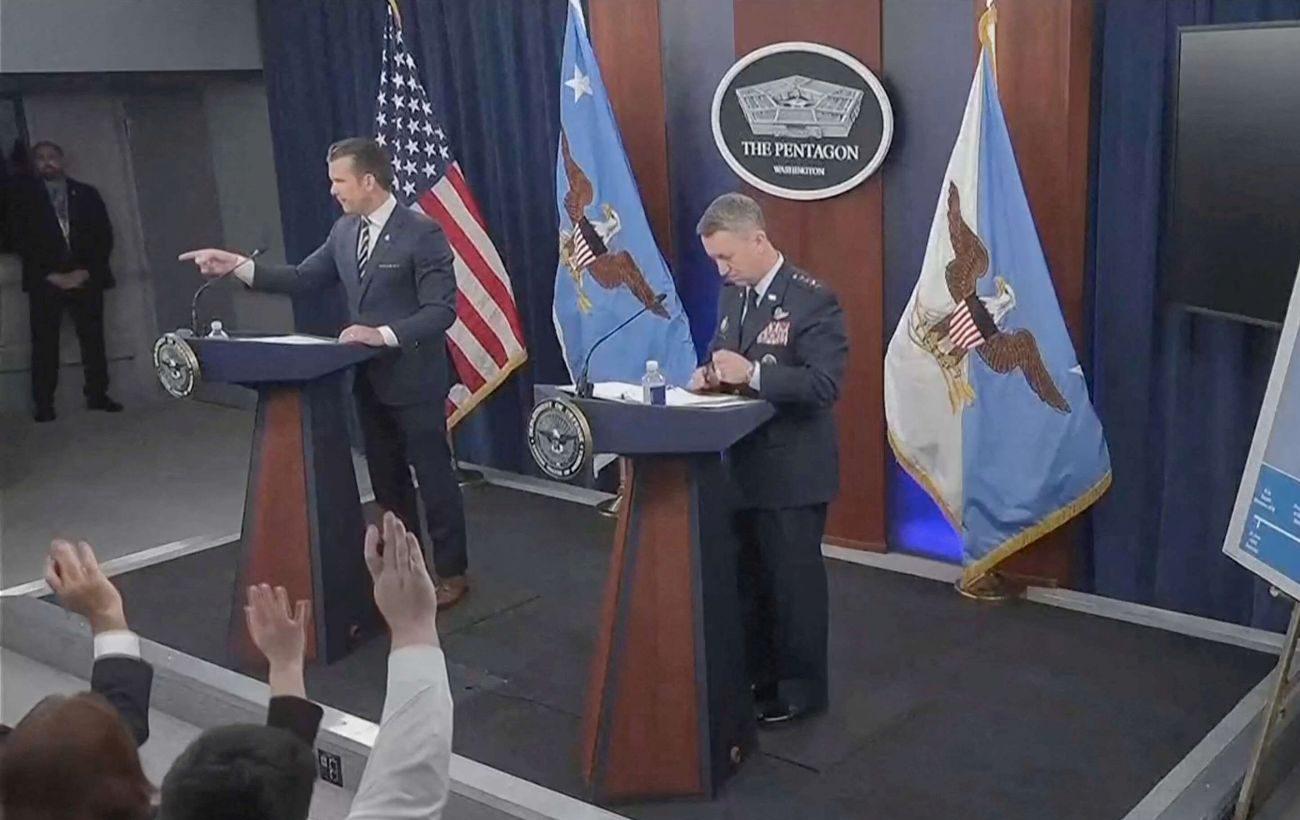
In a separate account, The New Republic said Defense Secretary Pete Hegseth fired most of the Pentagon’s civilian harm mitigation and response workers and replaced them with artificial intelligence, and it quoted Wes Bryant saying, "most of it is being thrown into the wind, and neither institutionalized nor operationalized."
The New Republic also reported that Senator Elizabeth Warren and nine other Democrats wrote in a letter to Hegseth that gutting CHMR programs leads to "target misidentification [that] harms readiness by wasting Do[D] munitions" and increases the risk of civilian casualties.
Autonomous weapons debate grows
Beyond CHMR cuts, the U.S. Army is moving toward AI-powered robots capable of making autonomous decisions on the battlefield, with the U.S. Senate reportedly considering a bill to expand the use of AI and autonomous military systems with safeguards.
The article quoting the Washington Post said the debate over deploying self-operating weapons that can detect targets and attack without human intervention has been brought to the forefront by the rapid pace of AI technologies and the Trump administration’s push to accelerate integration into the Department of Defense.
It also reported that United Nations Secretary-General Antonio Guterres called for a ban on autonomous weapons under international law, describing the idea of robots ending human life as morally unacceptable.
In contrast to those warnings, the same source said Anthropic refused to allow its Claude model to be used to run fully autonomous weapons, while OpenAI continued cooperation with the U.S. military but stressed its technologies should be used within a framework that ensures human approval and clear operational boundaries when force is employed.