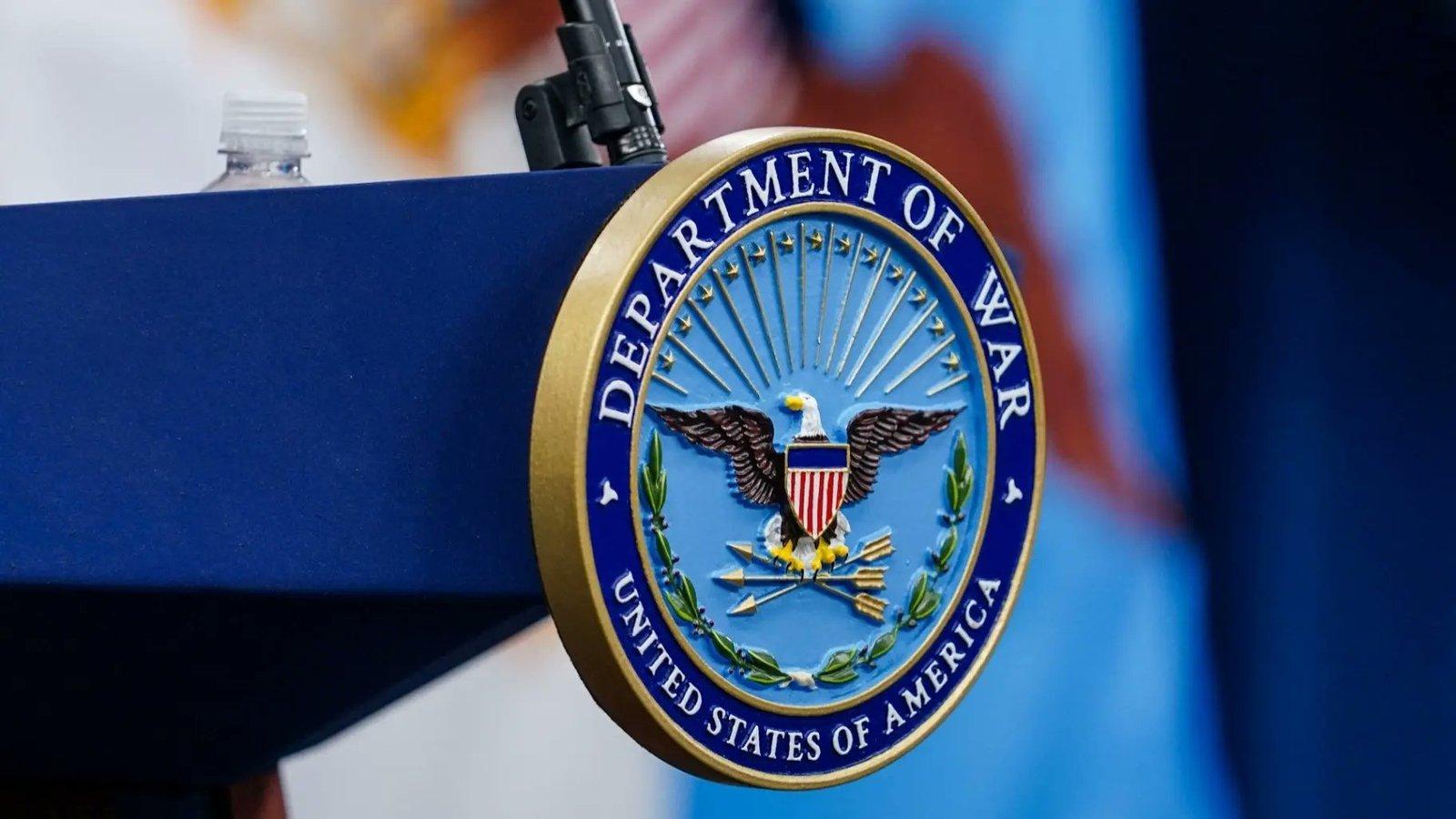
Pentagon Considers Sanctions Against NATO Allies Over Iran War Dispute, Including Spain Suspension
Key Takeaways
- Leaked Pentagon email floated sanctions on NATO allies over Iran war, including suspending Spain.
- NATO says no mechanism to suspend or expel members; Spain downplays the report.
- The incident signals a NATO rift over how allies support US operations in Iran conflict.
Punitive options leaked
A leaked internal Pentagon email is at the center of a dispute over how the United States should respond to NATO allies that it believes did not support U.S. operations during the war with Iran.
Multiple outlets, citing a U.S. official speaking to Reuters, describe options including suspending Spain from the transatlantic alliance and reviewing the U.S. position on Britain’s claim to the Falkland Islands.

The Reuters-linked reporting says the memo is framed around access, basing and overflight rights (ABO) for U.S. military operations, described as “the absolute baseline for NATO.”
The Times of Israel reports that the email envisions suspending “difficult” countries from “important or prestigious positions at NATO,” and that the options were “circulating at high levels in the Pentagon.”
In the same Reuters-linked account, Pentagon Press Secretary Kingsley Wilson responded to questions by saying, “As President Trump has said, despite everything that the United States has done for our NATO allies, they were not there for us.”
The Al Jazeera Net version of the Reuters reporting similarly says the email does not indicate a plan for the U.S. to withdraw and does not propose closing bases in Europe, while describing the options as being discussed at senior levels in the Pentagon.
ABO and the Iran trigger
The leaked Pentagon memo ties the proposed penalties directly to the war with Iran and to whether NATO allies grant the United States access, basing and overflight rights (ABO).
Reuters-linked reporting says the document expresses frustration with allies’ “perceived reluctance or refusal to grant the United States access, basing and overflight rights,” and it characterizes ABO as “the absolute minimum level” for NATO to function.

The dispute is connected to the Strait of Hormuz, which Trump criticized NATO allies for not helping open, and which was “closed to global shipping” after the start of the air war on February 28.
In the Kyiv Post account, the tensions are described as intensifying “since the start of the US-Israel war with Iran in late February,” particularly over “the use of European bases and naval support in the Persian Gulf.”
The Kyiv Post report also says Spain became a “particular point of contention” because its government refused to allow U.S. forces to use its bases or airspace for strikes on Iran.
The Al Jazeera Net version adds that Spain “closed the airspace to all aircraft connected to the U.S.-Israel war on Iran at the end of March,” and it says the U.S. has two bases in Spain: “Naval Station Rota and Morón Air Base.”
Trump and Wilson respond
The leaked memo’s punitive framing sits alongside repeated public criticism from Donald Trump about NATO allies’ support during the Iran conflict.
The Kyiv Post report says Trump launched a fresh attack on NATO during a Turning Point Action event in Arizona on April 18, accusing the alliance of failing to support the U.S. and Israel in the conflict against Iran.
It quotes Trump declaring that NATO proved to be “absolutely useless when we needed them,” and it also includes Trump’s comparison of NATO’s stance to “Campaign contributions after I won don’t count,” adding, “And NATO, after we won, that doesn’t count either.”
The same Kyiv Post account says NATO Secretary General Mark Rutte attempted to soften Trump’s stance by highlighting European contributions to logistics and overflights, while the White House maintains that the alliance “turned its back on the American people.”
In response to questions about the leaked email, Pentagon spokesperson Kingsley Wilson told Reuters that, “As President Trump has said, despite everything that the United States has done for our NATO allies, they were not there for us.”
Wilson added, “The War Department will ensure that the President has credible options to ensure that our allies are no longer a paper tiger and instead do their part.”
Spain rejects the leak
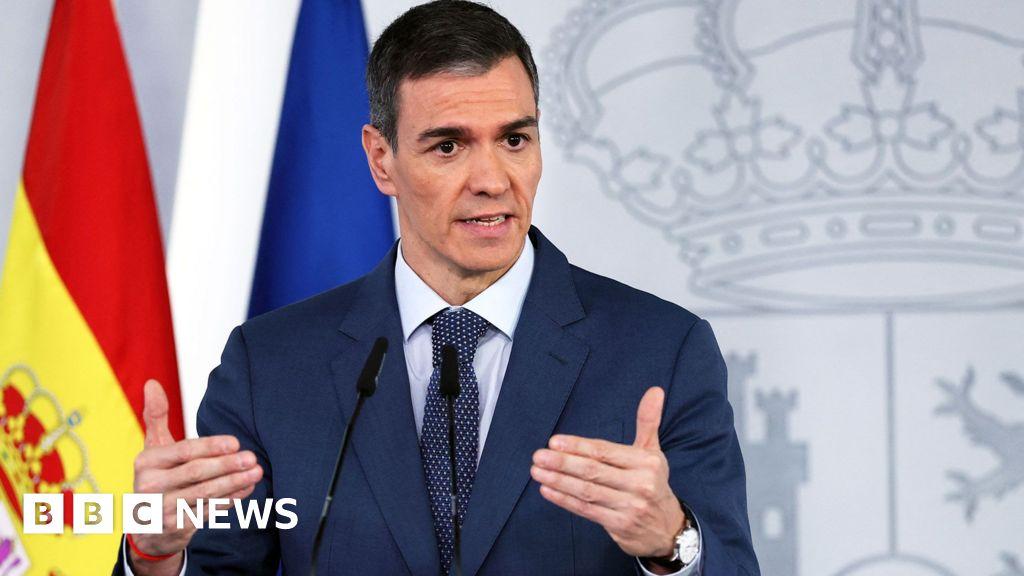
Spain’s government has pushed back against the reporting, with Pedro Sánchez explicitly rejecting the premise that Madrid would respond to internal emails.
The Times of Israel says Spanish Prime Minister Pedro Sánchez brushed off the report, telling reporters at a European Union summit in Cyprus, “Well, we do not work with emails,â Sánchez told reporters at a European Union summit in Cyprus.
It adds that Sánchez said, “We work with official documents and positions taken, in this case, by the government of the United States.”
The Times of Israel further quotes Sánchez: “The position of the government of Spain is clear: absolute collaboration with the allies, but always within the framework of international legality,” and it frames the dispute as Spain refusing to allow its bases or airspace to be used to attack Iran.
The Reuters-linked accounts emphasize that the U.S. has two bases in Spain, “Naval Station Rota and Morón Air Base,” and that the memo says suspending Spain would have “a limited effect on US military operations but a significant symbolic impact.”
Across the accounts, the Spanish response is consistent: Sánchez says Spain does not operate based on leaked internal documents, but on “official documents and positions taken.”
Different framings of the same leak
The same Reuters-based Pentagon email is framed differently across outlets, especially in how directly they characterize the threat level and what they emphasize about consequences.
The Kyiv Post report describes the Pentagon as “considering options to punish NATO allies,” and it says a Pentagon spokesperson confirmed officials are reviewing policy options but “declined to comment on internal deliberations,” while quoting Kingsley Wilson that allies “do their part.”
The Times of Israel similarly frames the email as outlining options, but it adds that the email “does not suggest that the United States do so” regarding withdrawal and that it “does not propose closing bases in Europe.”
By contrast, the voice of صَوت الإمارات (صوت الإمارات | West Asian) describes the situation as “Washington threatens sanctions against NATO allies who refuse to support a war against Iran,” and it characterizes the leak as “an unprecedented diplomatic escalation” with “the suggestion of suspending Spain’s NATO membership” that “could potentially lead to the collapse of the alliance’s decades-long structure.”
The International Business Times (Western Alternative) also emphasizes the punitive nature, saying the Pentagon is considering options “to show its discontent,” and it quotes Wilson’s “paper tiger” language while stating the email “does not contemplate the closure of U.S. bases in Europe.”
Even within Reuters-linked accounts, the details remain consistent—ABO as the “absolute baseline,” Spain as a symbolic target, and Falkland Islands as a diplomatic lever—yet the outlets differ in tone, from procedural “options” to warnings of alliance destabilization.
What happens next
The stakes described in the reporting center on NATO cohesion, the reliability of U.S. security guarantees, and how the U.S. might translate the leaked options into action.
The Kyiv Post report says the proposals are still under discussion and “no decisions have been announced,” while also describing analysts’ view that the debate highlights “deepening divisions within NATO and within the US amid the ongoing Middle East conflict.”
It also ties the dispute to broader concerns about the future of NATO and “the reliability of US security guarantees for Europe,” while noting that tensions intensified after the start of the U.S.-Israel war with Iran in late February.
The Times of Israel adds that the email does not propose closing bases in Europe and does not suggest withdrawal, but it still reports that the options include suspending “difficult” countries from “important or prestigious positions at NATO.”
In the Al Jazeera Net version, the reporting says the options are intended to send a strong message to reduce “the sense of entitlement,” and it reiterates that the email does not indicate a plan for withdrawal.
The Kyiv Post account also provides a legal and political backdrop for withdrawal, saying it would require “a two-thirds vote in the Senate” and “a waiting period of one year – in accordance with the treaty ratified by the Senate in 1949.”
More on Iran
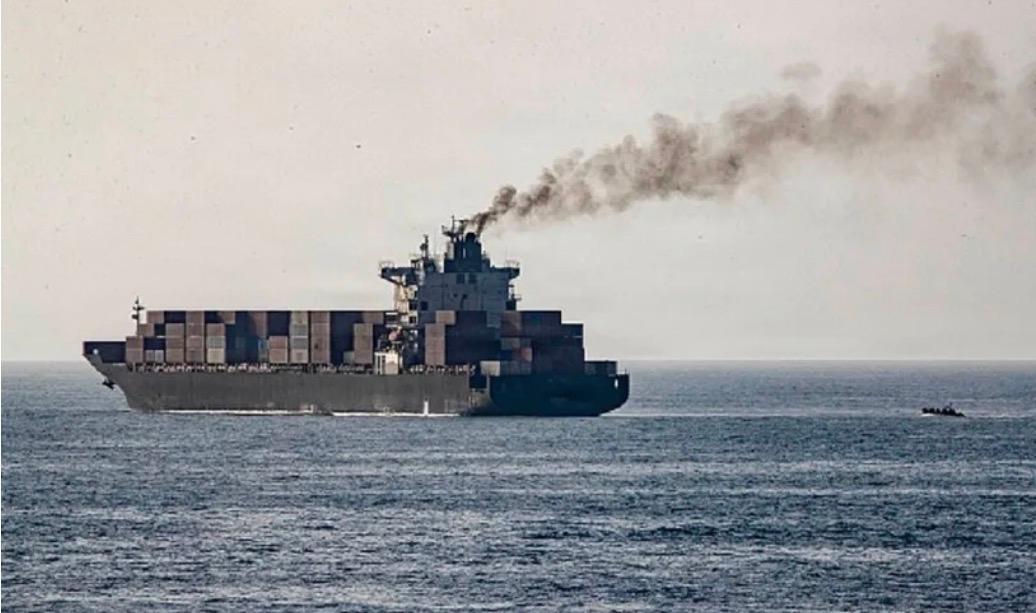
Iran Grants Russia Strait Of Hormuz Transit Fee Exemptions, Ambassador Kazem Jalali Says
16 sources compared

Protester Throws Red Liquid at Exiled Iranian Crown Prince Reza Pahlavi in Berlin
15 sources compared
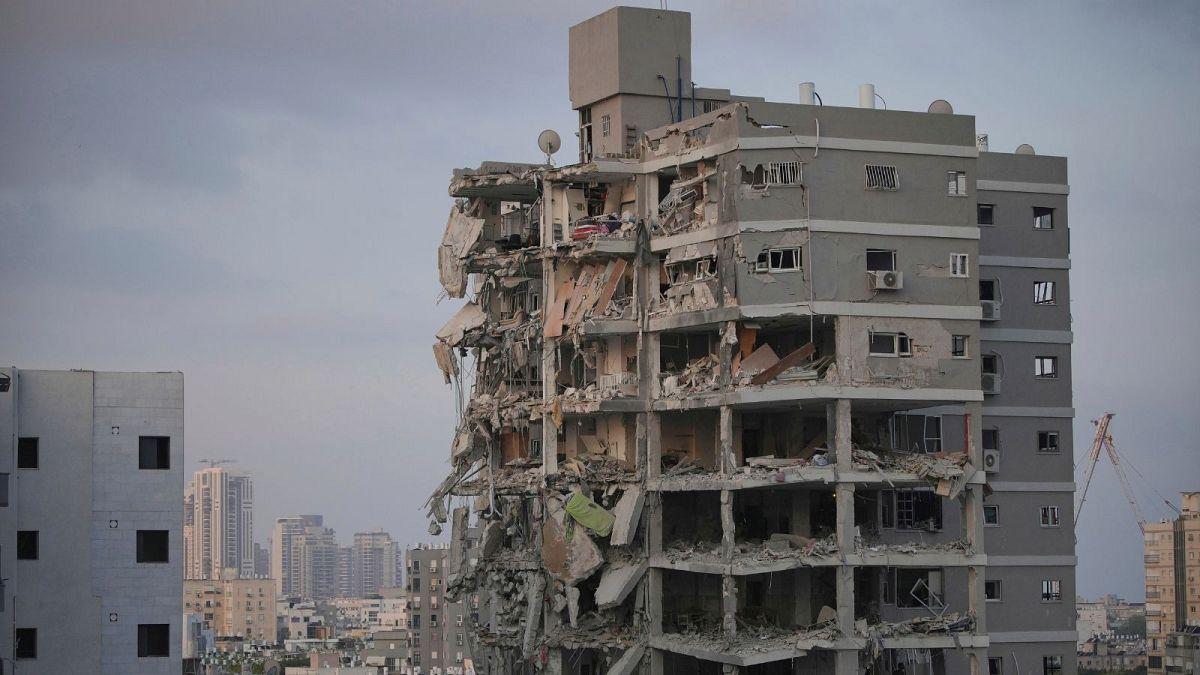
Russian General Yevgeny Ilyin Praises Iran’s Defense Against US-Israeli Aggression
13 sources compared
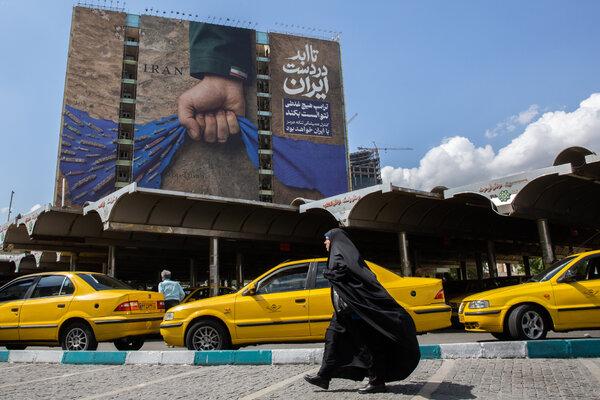
U.S. Naval Blockade Pressures Iran’s Maritime Trade as Strait of Hormuz Stays Closed
34 sources compared