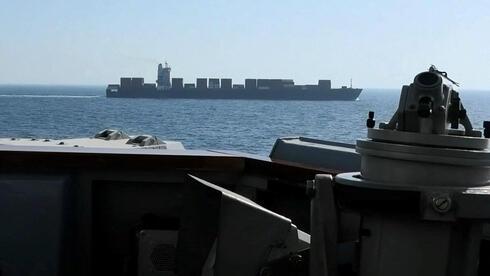
Pentagon Tells Congress Iranian Mines in Strait of Hormuz Could Take Up to Six Months To Clear
Key Takeaways
- Pentagon told Congress it could take six months to clear the Strait of Hormuz mines.
- Clearance unlikely to begin until after the U.S.-Iran war ends.
- Mines are alleged to have been deployed by Iran.
Mine clearance timeline
A Pentagon assessment shared with Congress says it could take up to six months to fully clear mines deployed by the Iranian military in the Strait of Hormuz, and it also indicates that any such operation is unlikely to be carried out until the U.S. war with Iran ends.
“Gift this articleShare to FacebookPrint article Article printing is available to subscribers only Print in a simple, ad-free format Subscribe Comments: SaveZen Reading Zen reading is available to subscribers only Ad-free and in a comfortable reading format Subscribe”
Haaretz reports the assessment was presented to lawmakers during a classified briefing and says the clearance could take as long as six months, citing a Pentagon assessment reported by The Washington Post.

The Washington Post similarly reports that the Pentagon told Congress it could take six months to fully clear the Strait of Hormuz of mines deployed by the Iranian military, and that the operation is unlikely to be carried out until the U.S. war with Iran ends.
Seoul Economic Daily frames the same timeline as a U.S. Department of Defense estimate, saying it will take six months to clear mines in the Strait of Hormuz and that the clearance operation is unlikely to begin until after the war ends.
Türkiye Today adds that the Pentagon told Congress fully clearing Iranian naval mines from the Strait of Hormuz could take up to six months and that the operation is unlikely to begin in earnest until the U.S. war with Iran has ended.
Across the reporting, the clearance timeline is tied directly to whether hostilities continue, with the Pentagon’s view presented as a constraint on when mine countermeasures can be conducted safely.
How mines were laid
The reporting links the mine-laying to the broader U.S.-Iran conflict and to specific claims about how mines were deployed in and around the Strait of Hormuz.
Türkiye Today says the Strait of Hormuz has been largely blocked since February 28, when the United States and Israel launched coordinated airstrikes against Iran under an operation called Epic Fury, targeting military facilities, nuclear sites and leadership.
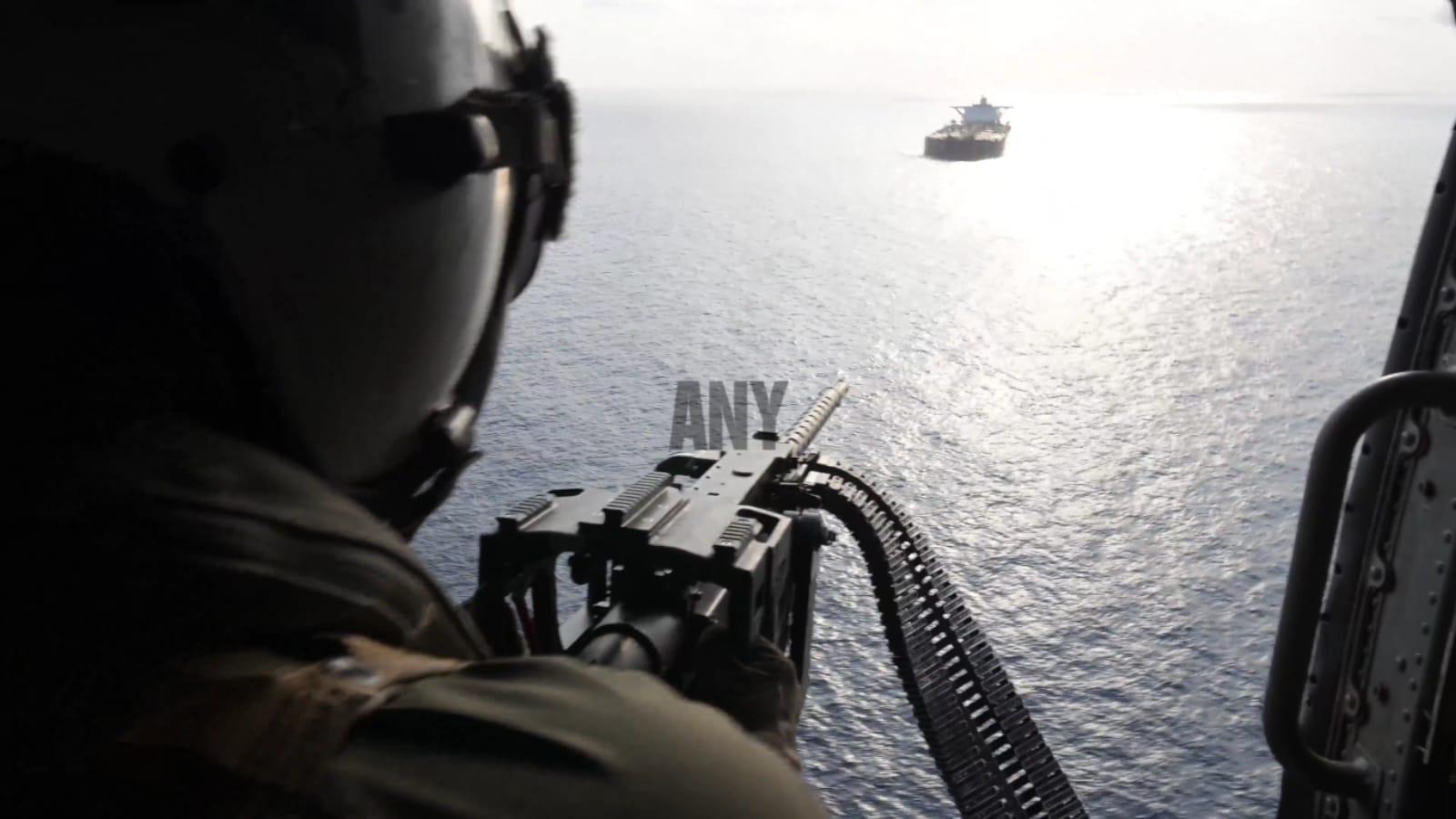
It adds that Iran retaliated with missile and drone attacks on Israel, U.S. military bases, and Gulf states, and that its Islamic Revolutionary Guard Corps issued warnings forbidding passage through the strait.
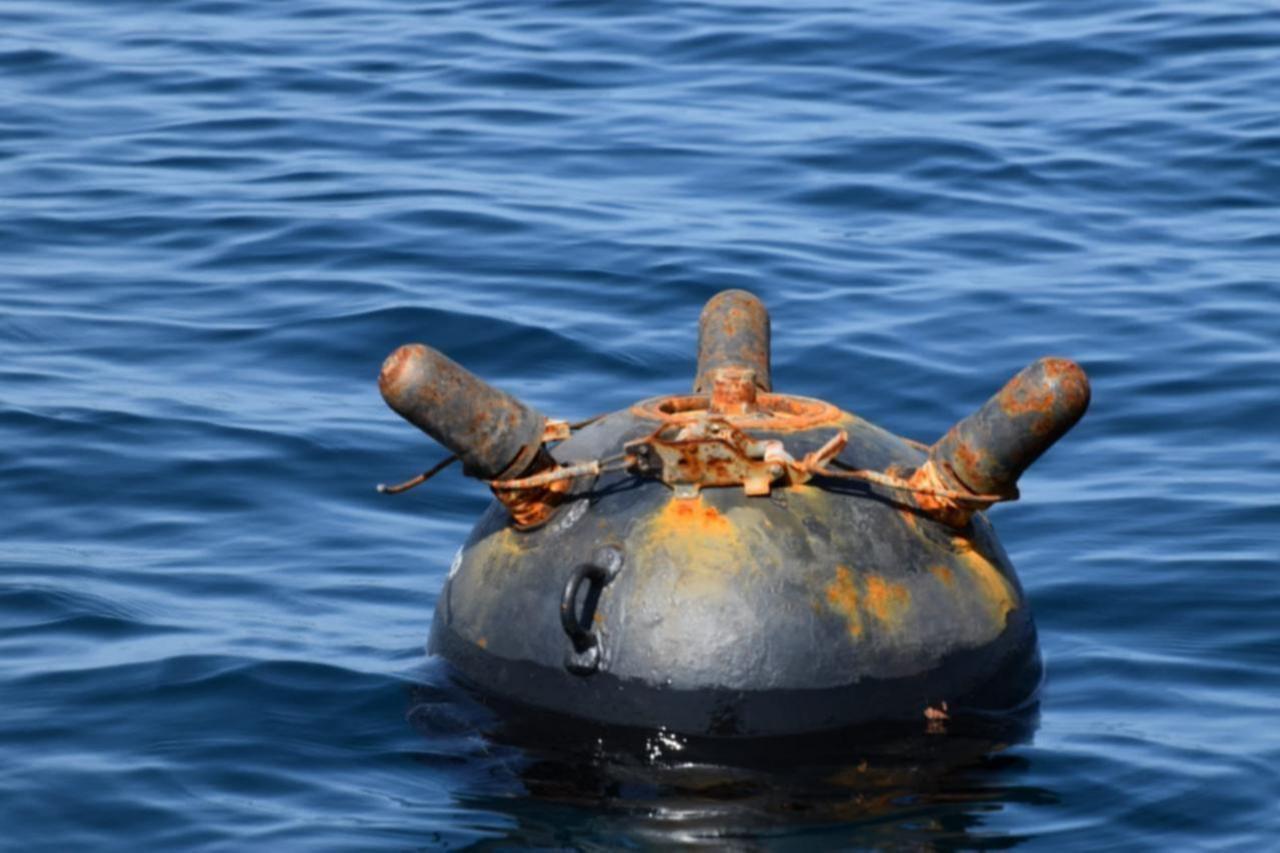
Türkiye Today also states that the IRGC has since carried out more than 20 confirmed attacks on merchant ships, and that Iranian forces began laying sea mines in the waterway, according to multiple U.S. officials.
Seoul Economic Daily says the U.S. Department of Defense reported that Iran may have laid more than 20 mines in and around the Strait of Hormuz, with some deployed remotely using GPS technology, making them difficult for U.S. forces to detect.
ynetnews adds that U.S. officials told lawmakers that Iran may have deployed 20 or more mines in and around the strategic waterway, and it describes some mines as deployed remotely using GPS-based technology and others as laid by small boats used by Iran’s so-called “mosquito fleet.”
In the same set of accounts, the Washington Post is cited as noting that Iran itself may not be able to locate all of the mines it placed, a point ynetnews says has been reported by The New York Times.
Together, the sources present a picture in which mine deployment is described as both extensive and technically challenging, with remote GPS-based placement and small-boat “mosquito fleet” activity complicating detection and clearance.
Claims, denials, and politics
The mine-clearance timeline is presented alongside conflicting claims about whether the United States is already clearing mines and about what Iran has done with the devices.
“Oil rose as peace negotiations between the US and Iran stalled, with both sides using blockades of the vital Strait of Hormuz to try and gain leverage in a seven-week war that has upended global energy markets”
Seoul Economic Daily says the report contradicts remarks by U.S. President Donald Trump, who claimed the U.S. military was carrying out mine clearance operations, and it quotes Trump’s assertion that "Iran has removed or is removing maritime mines with U.S. assistance."
It then says that in response to the Washington Post report, the U.S. Defense Department said, "This information was disclosed during a classified briefing for lawmakers and is not accurate."
ynetnews similarly describes the Pentagon’s assessment as contrasting with claims made by President Donald Trump, who wrote on social media that Iran, "with the help of the United States," had removed or was removing all sea mines from the strait.
Rigzone adds another layer by describing oil-market reaction to the standoff and by quoting Trump’s post on Truth Social that if the U.S. lifted its blockade to open the Strait of Hormuz, "there can never be a Deal with Iran, unless we blow up the rest of their Country, their leaders included!"
Rigzone also reports that Iran won’t reopen the strait as long as the U.S. Navy continues to intercept ships and will, if necessary, break the blockade by force, citing Tasnim.
In the same report, Rigzone says the U.S. on Tuesday stopped and boarded a sanctioned oil tanker, after seizing a cargo ship over the weekend, and directed to turn around or return to port a total of 29 vessels.
Türkiye Today adds that the Pentagon’s assessment signals the closure of a critical energy corridor may stretch deep into 2026 or beyond, and it describes the timeline for reopening as tied directly to the outcome of the conflict.
Reactions and operational strain
The sources describe lawmakers’ reactions and the operational constraints facing U.S. mine-countermeasures efforts, while also quoting U.S. officials and analysts about what the timeline means.
ynetnews says lawmakers from both parties reportedly reacted with frustration, seeing the Pentagon estimate as a sign that oil and gasoline prices may remain elevated even after any agreement is reached.
It also quotes Richard Nephew, described as a senior researcher at Columbia University and an expert on Iran diplomacy, saying, “There won’t be many people willing to take that risk,” and it adds that he said a six-month clearance effort would likely rattle oil and gas markets due to safety concerns among insurers, shipowners and crews.
Rigzone quotes Will Todman, senior fellow in the Middle East Program at the Center for Strategic and International Studies, saying, "President Trump’s decision to extend the ceasefire indefinitely indicates a belief that economic warfare is more effective than kinetic warfare at this stage in the conflict," and it adds that he is hoping Iranian leaders “blink first” as the economic toll of the U.S. blockade mounts.
Türkiye Today describes the operational posture by noting that on April 11, two U.S. Navy guided-missile destroyers, the USS Frank E. Peterson and USS Michael Murphy, transited the strait as a preparatory move, with CENTCOM commander Admiral Brad Cooper saying his forces had "begun the process of establishing a new passage."
It also says underwater drones, including the Knifefish unmanned underwater vehicle, are being deployed to detect and classify mines, and that two Avenger-class minesweepers have departed Japan for the region.
Türkiye Today further states that the U.S. Navy’s mine-countermeasures capabilities are under significant strain, including that the service decommissioned its last four forward-deployed Avenger-class minesweepers from Bahrain in late 2025 and that the Littoral Combat Ships that replaced them were withdrawn from the region ahead of the current conflict.
The same report explains mine countermeasures as methodical mine-hunting with high-resolution sonar and minesweeping to trigger individual devices, one by one, and it says even a single mine is enough to compel shipping operators to treat an entire waterway as compromised.
Economic stakes and next steps
The sources portray the mine-clearance estimate as extending economic disruption and as reinforcing the strategic importance of the Strait of Hormuz for global oil and liquefied natural gas flows.
“Democracy Dies in Darkness By Dan Lamothe , Noah Robertson and Ellen Nakashima It could take six months to fully clear the Strait of Hormuz of mines deployed by the Iranian military, and any such operation is unlikely to be carried out until the U”
Türkiye Today says the Strait of Hormuz has been effectively halted for roughly one-fifth of the world’s oil and liquefied natural gas since late February, and it adds that before the war the strait carried roughly 13 million barrels of crude per day, representing about 31 percent of all seaborne crude flows, along with a significant share of global LNG trade.
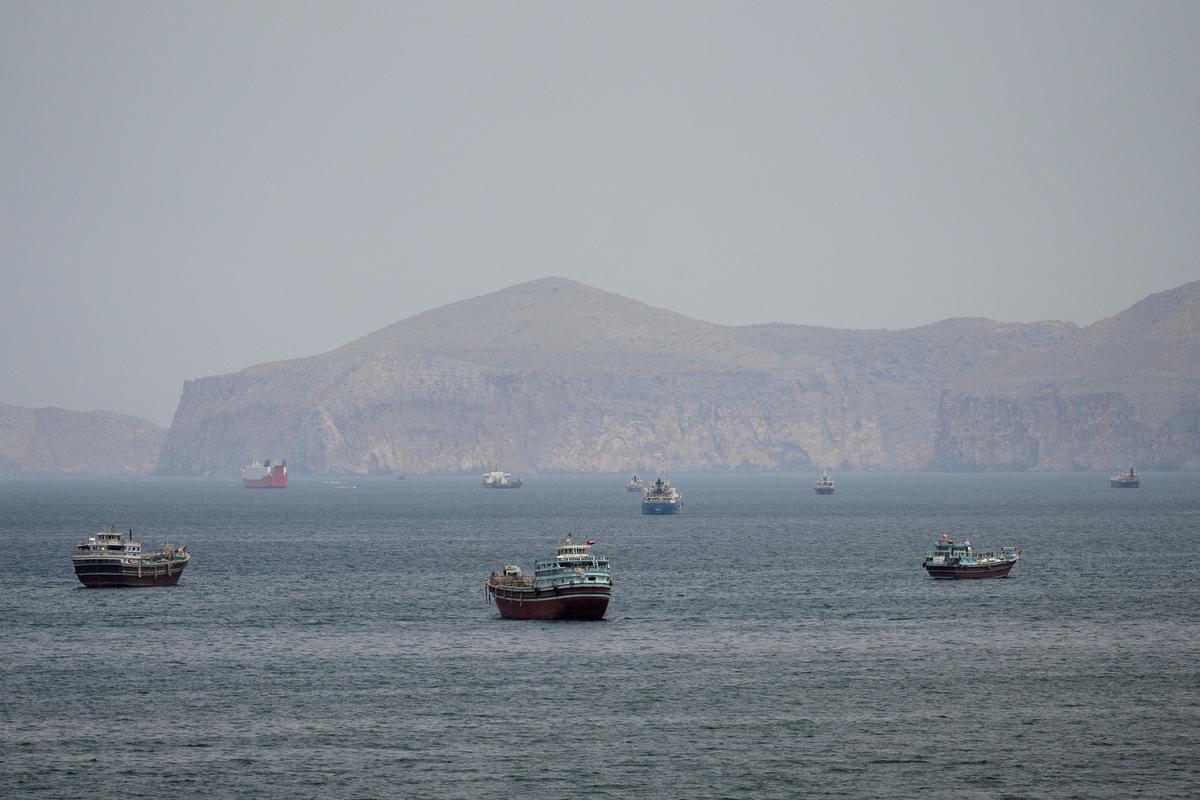
Rigzone reports that traffic through Hormuz remains at a near-halt and that the waterway normally carries about one-fifth of global crude flows, describing the disruption as upending global energy markets.
It also reports that Brent futures settled above $101 a barrel in New York, the highest in two weeks, and it provides specific figures from the same day: Brent crude futures for June delivery closed at $101.91 per barrel, up 3.5%, and WTI for June delivery at $92.96, up 3.7%.
Rigzone adds that traders closely followed key U.S. oil inventory data published Wednesday by the Energy Information Administration, which showed declines across all major refined product categories, and it says total oil and fuel exports reached a fresh record.
In parallel, Seoul Economic Daily says concerns are growing that the high oil price environment could be prolonged, and it reports that analysts also say restoration of oil refining facilities and liquefied natural gas (LNG) facilities destroyed during the war could take up to five years, suggesting oil prices will face upward pressure.
Türkiye Today describes the strait as having no viable alternative route for the vast majority of that traffic and says meaningful mine-clearance operations cannot be safely conducted while hostilities continue, leaving reopening tied to the outcome of the conflict.
News18 frames the stakes in terms of global supply chains, saying that if mines remain in place and shipping traffic cannot safely resume, global supply chains may continue to face delays and elevated costs for months, and it ties the six-month clearance timeline to the possibility that the global economy may not return to normal quickly.
More on Iran
Trump Extends Ceasefire as US-Iran Peace Talks Stall and Strait of Hormuz Tensions Rise
22 sources compared
Iran Fires on Three Ships and Seizes Two in Strait of Hormuz, Trump Extends Ceasefire
28 sources compared

Trump Extends Iran Ceasefire While US Keeps Naval Blockade in Strait of Hormuz
18 sources compared
Iran’s Islamic Revolutionary Guard Corps Seizes Two Ships in Strait of Hormuz After Trump Ceasefire Extension
20 sources compared