
Pete Hegseth Faces Hostile Congressional Questioning Over Iran War Costs and Pentagon 2027 Budget Request
Key Takeaways
- The war has cost about $25 billion so far, per Pentagon figures.
- Hegseth faced nearly six hours of hostile questioning at first congressional hearing.
- He defended the mission and pressed for a $1.5 trillion defense budget amid the war.
Cost, budget, and first testimony
U.S. Defense Secretary Pete Hegseth faced nearly six hours of hostile questioning in Congress on Wednesday in his first appearance before lawmakers since the Trump administration went to war in Iran, with the hearing framed around the Pentagon’s 2027 budget request.
“Hegseth battles with Democrats -- and some Republicans -- over the Iran war and top officials' firings The Pentagon's comptroller said the war has cost $25 billion so far”
Multiple outlets reported that the Pentagon comptroller, Jules Hurst III, told the House Armed Services Committee that the war has cost $25 billion so far, with Euronews also citing the same figure in euros as €21 billion.

The hearing was described as contentious and adversarial, with Hegseth opening by attacking lawmakers’ tone, saying, "The biggest adversary we face at this point are the reckless, feckless and defeatist words of congressional Democrats and some Republicans."
Hegseth and Chairman of the Joint Chiefs of Staff Gen. Dan Caine testified as the administration sought to boost defense spending to a record $1.5 trillion for fiscal 2027.
ABC News reported that the hearing was scheduled to discuss the Pentagon’s 2027 budget but became “more a debate on the war with Iran,” and that calculations for the budget request were finalized months ago before the U.S. and Israel attacked Iran in February.
CNBC reported that Hegseth downplayed the length of the war, saying, "Two months in, on an existential fight for the safety of the American people, Iran cannot have a nuclear bomb, we are proud of this undertaking."
The Pentagon also said it would ask for $200 billion in supplemental funding for the campaign, while ABC News reported that the White House Office of Management and Budget Director Russell Vought declined to estimate the cost of the war in testimony on April 15.
Why the war, and what changed
A central dispute in the hearing was whether the administration’s justification for starting the Iran war matched what officials said after earlier strikes.
ABC News and Euronews both described a tense exchange in which ranking Democrat Adam Smith pressed Hegseth to reconcile two claims: that Iran’s nuclear program was “obliterated” during last summer’s attack on its nuclear facilities and that it posed an imminent threat used to justify launching the war.

ABC News quoted Smith saying, “What is the plan to actually turn all of this lethal kinetic action into an improvement in the nuclear situation? Because we haven't gotten there yet. Play it out for us. How does that happen? How does it actually lead to that result?“ and reported that Hegseth replied that despite "obliterated" nuclear capabilities that the U.S. is surveilling 24/7, Iran maintained an "ambition" and "conventional shield" that posed a threat.
CNBC similarly reported that Smith told Hegseth, "As we sit here today, Iran's nuclear program is exactly what it was before this war started," and that Hegseth responded that Iran’s nuclear facilities have been "obliterated" and that the U.S. action was necessary to destroy a "conventional shield".
Euronews reported the same confrontation in shorter form, with Smith saying, “We had to start this war, you just said 60 days ago, because the nuclear weapon was an imminent threat,” and Hegseth responding that Tehran “had not given up their nuclear ambitions” and still had thousands of missiles.
Jackson Hole News&Guide and Fox 8 Local First also described Smith’s argument that the war “left us at exactly the same place we were before,” while Hegseth insisted Iran had not abandoned its nuclear ambitions.
In the same line of questioning, ABC News said Hegseth touted Trump’s record on Iran, including withdrawing from the Iran nuclear deal, killing Qassem Soleimani, and ordering the attack on Iran's nuclear facilities.
Gas prices, munitions, and the Strait of Hormuz
Lawmakers also pressed Hegseth on the economic and operational costs of the Iran war, including fuel prices and the impact on shipping through the Strait of Hormuz.
CNBC reported that the conflict has caused global economic turmoil as Iran has choked vessel traffic through the Strait of Hormuz since the beginning of the conflict, and it said the U.S. crude on Wednesday hit $106 per barrel while the global benchmark Brent rose to $118 per barrel.
ABC News reported that Democratic Rep. John Garamendi accused Hegseth of lying about the war’s progress and linked the war to domestic costs, saying, “Cost of living, gas prices are up 40% and inflation is soaring,” and adding, “So much for lowering the cost of living. The president has got himself in America stuck in the quagmire of another war in the Middle East.”
Jackson Hole News&Guide and Euronews both reported that Democrats accused Hegseth of misleading Americans about the reasons for the conflict and said rising gas prices are threatening pocketbooks.
Fox 8 Local First added that Iran’s closing of the Strait of Hormuz has sent fuel prices skyrocketing and posed problems for Republicans ahead of the midterm elections, and it stated that the U.S. has imposed a naval blockade of Iranian shipping and that three American aircraft carriers are in the Middle East for the first time in more than 20 years.
CNBC also reported that the U.S. military has burned through munitions during the conflict and that Congress will need to provide funding to replenish, while ABC News said the hearing was scheduled to discuss the Pentagon’s 2027 budget but became a debate on the war with Iran.
In the same hearing, Rep. Ro Khanna questioned Hegseth on economic costs borne by Americans from the war in Iran, and CNBC reported that Hegseth responded by saying, "I would simply ask you what the cost is of an Iranian nuclear bomb," while accusing Khanna of “playing gotcha questions about domestic things.”
Firings and internal tensions
The hearing also became a forum for questions about Hegseth’s firings and personnel changes at the Pentagon, with Democrats and some Republicans challenging the rationale and timing.
ABC News reported that two Republicans, Reps. Don Bacon and Austin Scott, told Hegseth they disagreed with his firing of Gen. Randy George, the former Army chief of staff, and it said GOP Rep. Jen Kiggans raised questions over Hegseth’s firing of former Navy Secretary John Phelan.

ABC News quoted Bacon saying, “I anticipate other officers will be removed also,” and also quoted Bacon’s response to Hegseth’s vague justification, “You have the constitutional right to do these things, but it doesn’t make it right or wise."
In the same dispute, ABC News said Hegseth was asked about four colonels blocked from promotion to one-star general, with two Black and two women, and it reported that none of those officers were facing any discipline issues and were thoroughly vetted before being tapped for promotion.
Jackson Hole News&Guide reported that Rep. Chrissy Houlahan, a Pennsylvania Democrat, asked why Hegseth fired George and that Hegseth’s response that “new leadership” was needed failed to satisfy her, with Houlahan saying, “You have no way of explaining why you fired one of the most decorated and remarkable men,” before Hegseth interrupted her.
Euronews and Fox 8 Local First similarly described Hegseth’s response to Houlahan as “new leadership” and included the Pentagon’s announcement that Navy Secretary John Phelan was stepping down.
The Associated Press-based reporting in Jackson Hole News&Guide said the debate was dominated by the war in Iran even as Hegseth detailed plans to increase pay for service members and upgrade munitions, and it stated that as of Tuesday the Pentagon had authorized $400 million in military aid for Ukraine in its fight against Russia.
Exit strategy, oversight, and competing cost estimates
Beyond the immediate hearing, multiple outlets described uncertainty about oversight and the war’s trajectory, including the question of congressional authorization and the lack of an exit strategy.
Jackson Hole News&Guide reported that while a fragile ceasefire is now in place, the U.S. and Israel launched the war Feb. 28 without congressional oversight, and it said House and Senate Democrats have failed to pass multiple war power resolutions that would have required Trump to halt the conflict until Congress authorizes further action.
Euronews and Fox 8 Local First also described the hearing as the first time Hegseth faced lawmakers about the war, with Fox 8 Local First emphasizing that Democrats confronted him over a costly conflict being waged without congressional approval.
ABC News reported that Hegseth’s testimony was the first public accounting from the Defense Department on the cost of the conflict so far and that much of that cost is due to the thousands of bombs and missiles used, as Hurst said.
But other reporting in the provided sources introduced different cost estimates and additional context about damage and spending, complicating the picture lawmakers were debating.
Al Jazeera’s report on “Five key moments” said CNN reported that a senior Pentagon official’s estimate of $25 billion is a low figure that does not include the cost of repairing substantial damage to U.S. bases in the region, and it said CNN quoted a source saying the true cost is closer to $40–$50 billion when accounting for rebuilding and replacing destroyed assets.
In parallel, ABC News and CNBC both reported that the Pentagon comptroller said the war’s cost is estimated at $25 billion so far and that the Pentagon will send a supplemental request once it has a full assessment of the cost of the conflict, while CNBC said the administration has yet to send Congress a supplemental spending request to finance the war.
More on Iran
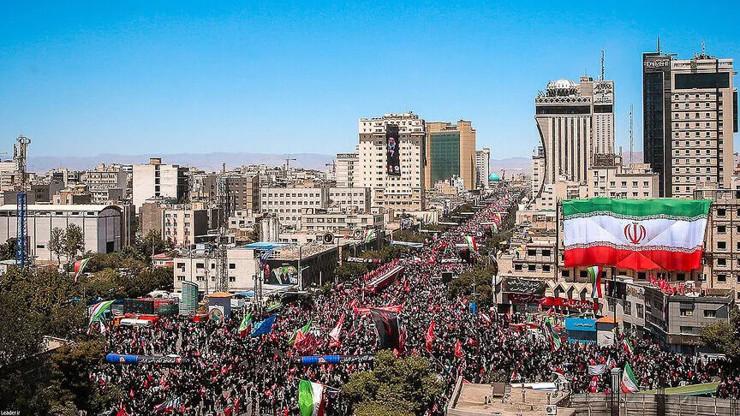
Israeli Strike Kills Ayatollah Ali Khamenei, Buried at Imam Reza Shrine in Mashhad
19 sources compared
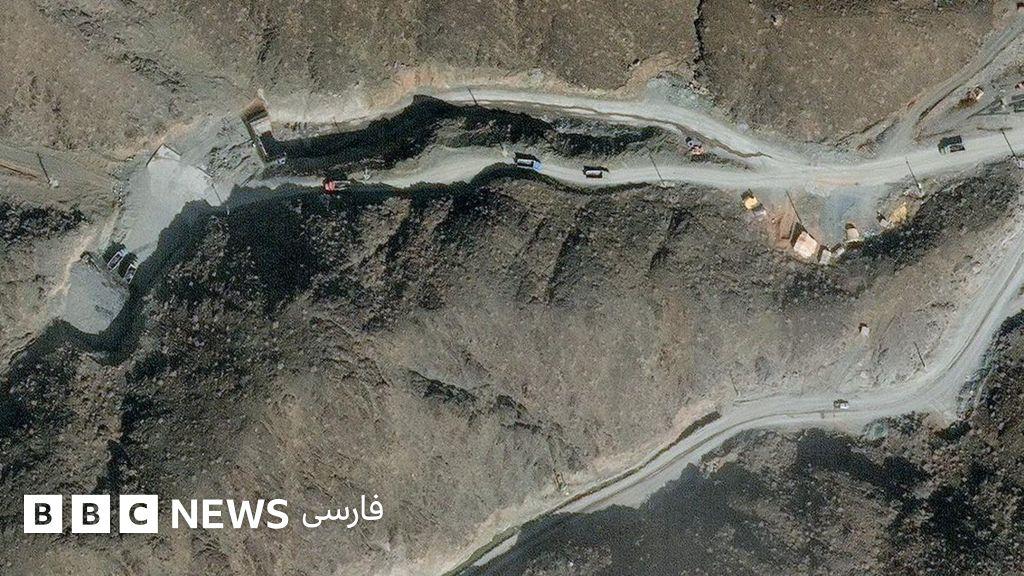
Iran Attempts To Restore Nuclear Sites Damaged In US And Israel Strikes, CNN Satellite Images Show
15 sources compared
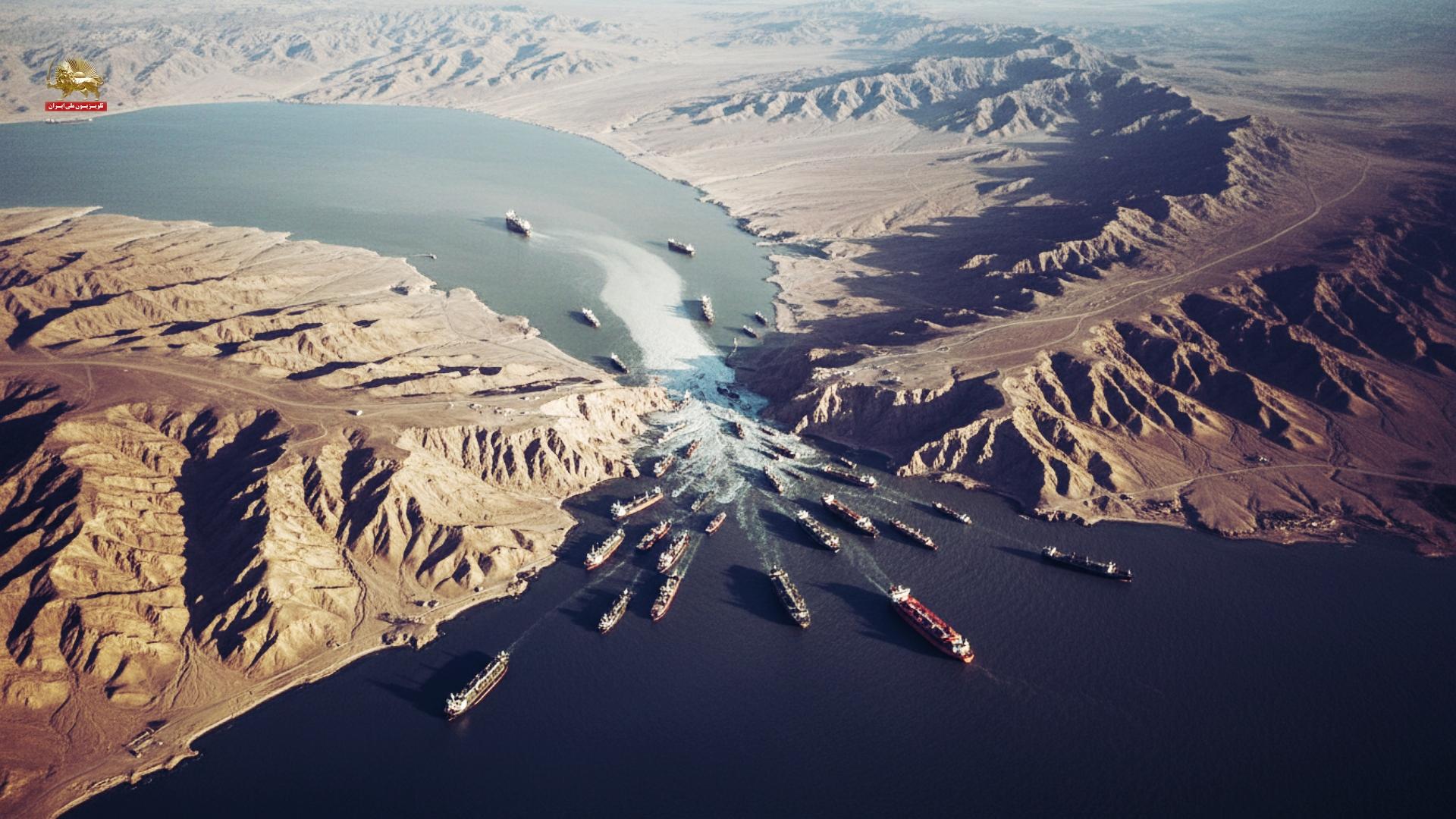
Abbas Araghchi and Prince Faisal Bin Farhan Discuss Regional Developments After US Attacks
11 sources compared

Trump Says U.S. Agreed to Continue Iran Talks, Ceasefire Is Over
19 sources compared