USA15 October, 20252 min read
Pete Hegseth Forces Emergency Landing in UK After Plane Windshield Cracks Mid-Flight
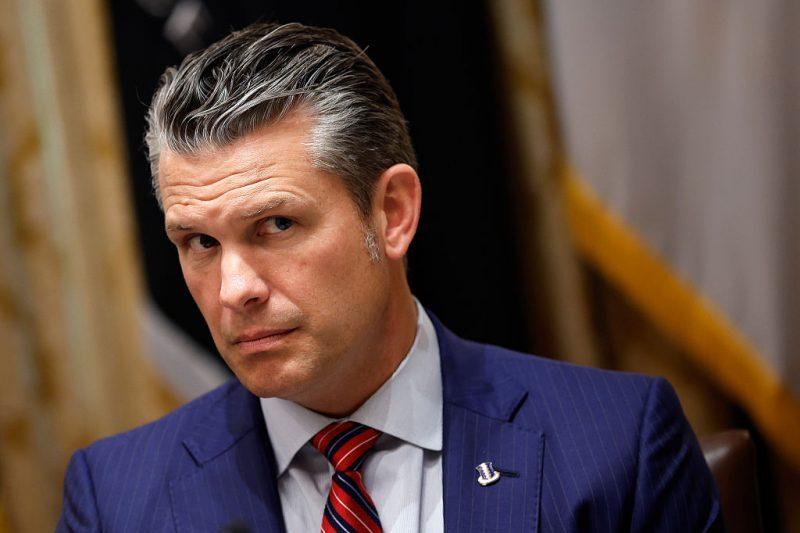
Pete Hegseth’s Boeing C-32A plane developed a cracked windshield mid-flight. The aircraft made an emergency landing at RAF Mildenhall in the United Kingdom.
50 outlets told this the same way.
Outlets did split on Trump Interrupted by Protesters at San Antonio Rally for Ken Paxton →
Emergency Landing of US Air Force Plane
A U.S. Air Force C-32A carrying Pete Hegseth made an emergency descent and unscheduled landing at RAF Mildenhall in the United Kingdom.
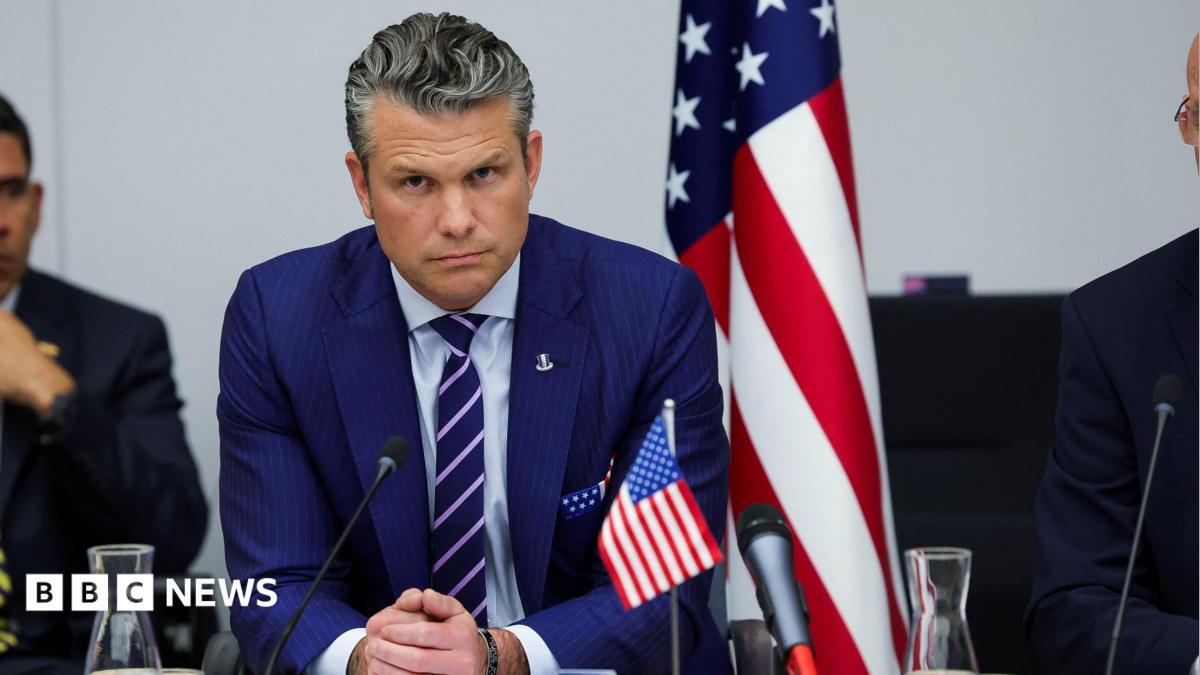
“United States Defense Secretary Pete Hegseth made an unscheduled emergency landing in the United Kingdom due to a cracked windshield on his Air Force C-32 plane while returning from a NATO defense ministers meeting in Brussels.”
The landing occurred after a crack was discovered in the aircraft’s windshield while returning from NATO defense ministers’ meetings in Brussels.
Multiple outlets describe a rapid descent to around 10,000 feet and standard emergency procedures, with all passengers safe.
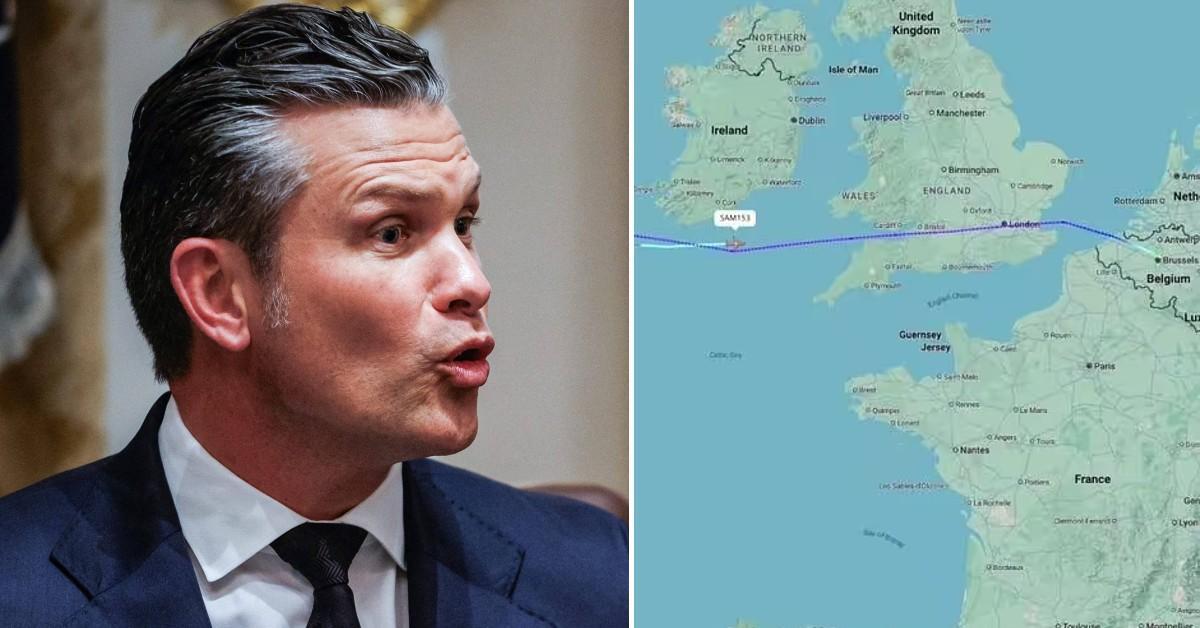
Some reports detail the route and timing—about 30 minutes after takeoff, over or near Ireland—and note the broadcast of a general emergency code before diverting.
Officials later confirmed the landing followed protocol and that the mission would continue.
Executive Jet Incident Overview
Authorities and Hegseth’s team said safety procedures worked as intended and there were no injuries. Several outlets note the cause of the windshield crack remains unknown. Other sources place the event in a broader context of aging executive airlift jets and recent similar incidents.
A few unique reports add operational details, including an aerial escort claim and a backup aircraft plan. These additional details are not corroborated by other outlets.
Response to Aircraft Incident
Officials quickly reassured the public following the incident. The Pentagon’s Sean Parnell stated that the landing followed standard procedures and confirmed that everyone onboard was safe. Hegseth posted that all was well and that the mission would continue.
“US Defense Secretary Pete Hegseth's plane made an emergency landing in Britain due to a crack in the windshield while returning from a NATO defense ministers meeting in Brussels. The landing followed standard safety procedures, and all onboard, including Hegseth, are safe, according to Pentagon spokesman Sean Parnell.”
Media coverage varied from sober procedural language in mainstream outlets to more dramatic descriptions in some tabloids, which called the episode "frightening." Several reports dated the incident on October 15, 2025, as Hegseth returned from NATO meetings.

Geopolitical Context of Aid and Security
Several outlets tied the emergency to the broader geopolitical context of Hegseth’s Brussels meetings. Newsweek reports he pressed for a strong, European-led NATO to deter Russia while Ukraine outlined $120 billion in defense needs. Local U.S. broadcasters said he urged allies to translate a 5% spending pledge into action.
Some tabloids and local outlets emphasized fresh aid momentum—described as “firepower”—through the Prioritised Ukraine Requirements List (PURL), with $2 billion pledged and more expected. Fox News, meanwhile, folded the incident into a wider roundup of U.S. political and aviation issues, from a government shutdown to an unrelated airline emergency and prior aircraft mishaps.

Flight Incident and Response
Flight data and on-the-ground response details vary by outlet. The Independent describes the takeoff from Brussels, a track past Ireland, and a turn-back to Britain. Stars and Stripes notes trackers saw an emergency signal and loss of altitude soon after departure.
“Flight data showed the plane took off from Brussels, passed Ireland, then turned back to land in the UK.”
Several reports mention Squawk 7700 and a rapid descent to 10,000 feet. Others emphasize emergency services on standby at Mildenhall and a confirmed depressurisation. Overall, all agree the plane landed safely without injuries.