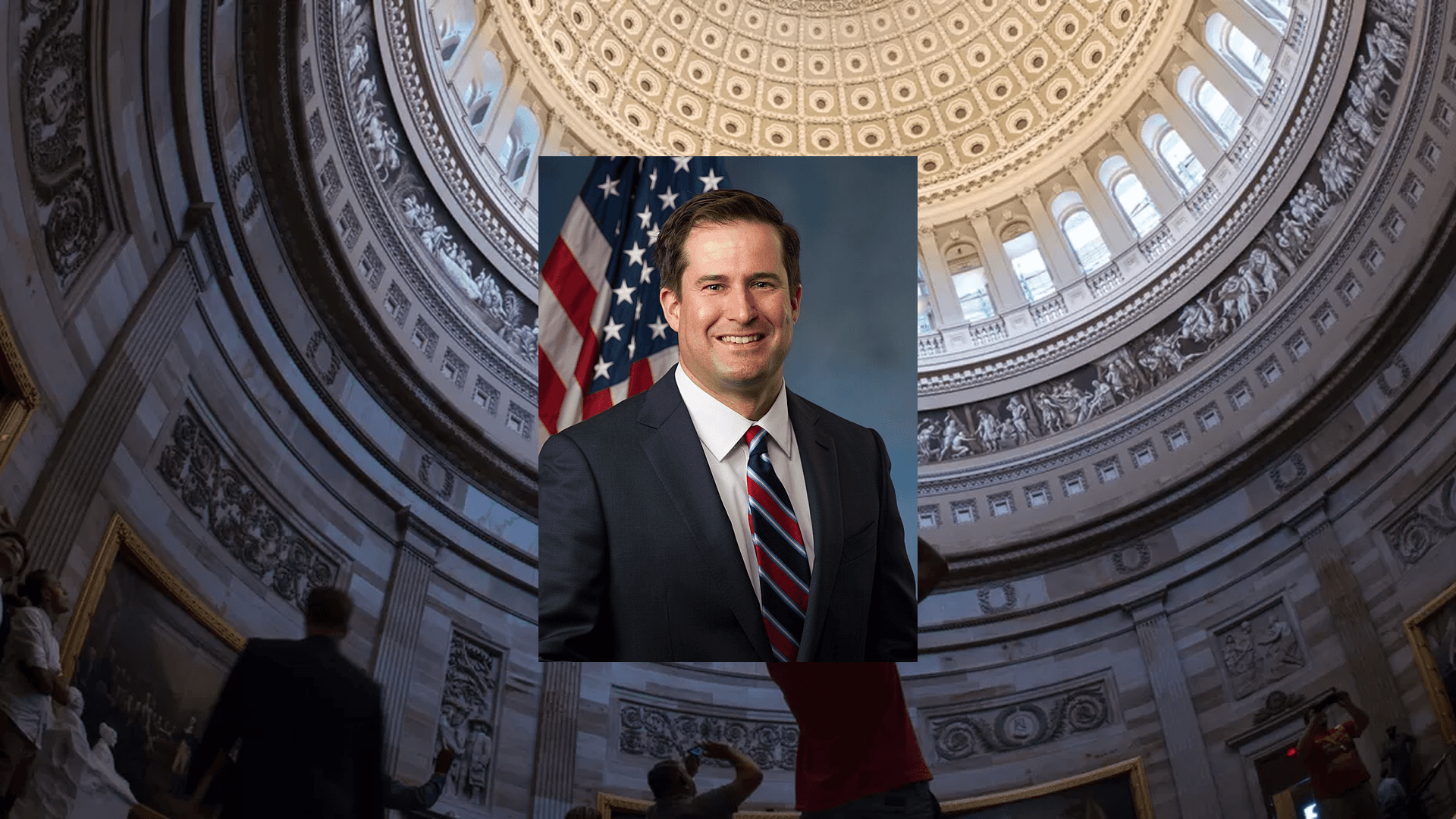
Peters, Schumer, Murray, and Merkley Demand OMB Director Russell Vought Rescind Grant Rule
Key Takeaways
- OMB rule politicizes federal grants, prioritizing politics over science.
- Opposition includes scientists and lawmakers with broad resistance.
- Push to rescind the rule is underway.
OMB grant rule fight
U.S. Senators Gary Peters, Chuck Schumer, Patty Murray, and Jeff Merkley led the entire Senate Democratic caucus in demanding Office of Management and Budget (OMB) Director Russell Vought immediately rescind OMB’s proposed regulation on federal financial assistance.
“Near the end of May, the Office of Management and Budget (OMB) proposed a new rule that would govern how the federal government handles the grants it issues, including those that fund the vast majority of scientific research in the US”
The senators warned the proposal exceeds OMB’s statutory authority and would allow the President to weaponize federal grants for political purposes, while also expanding agencies’ authority to terminate or suspend federal grants at any time and without notice.
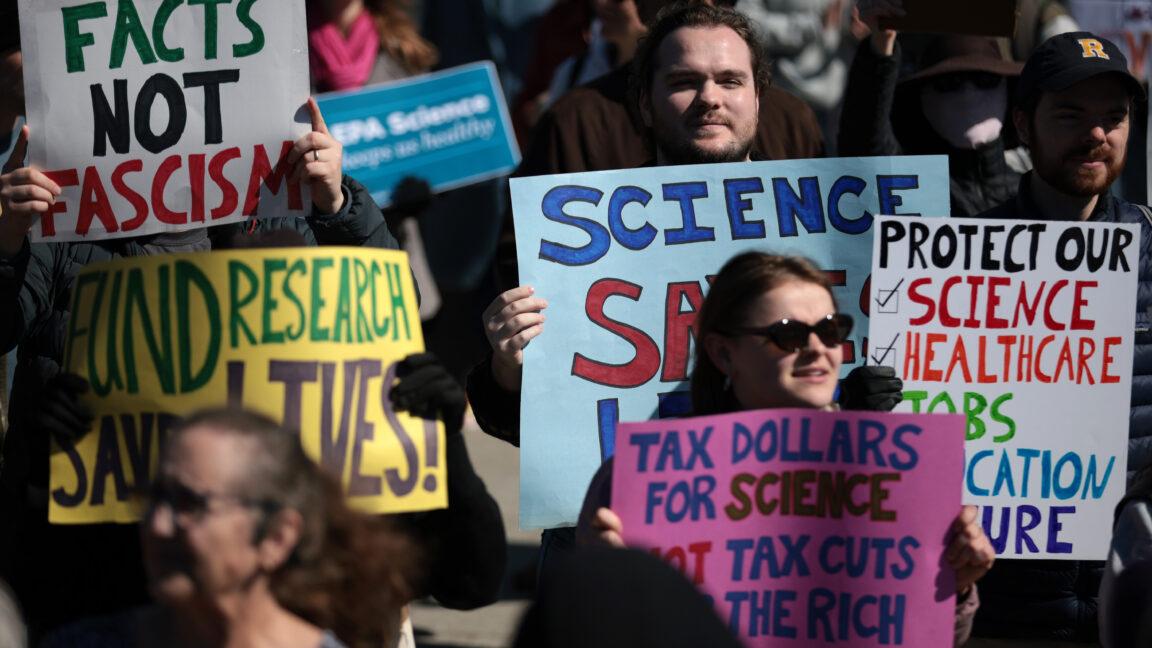
The proposed rule would also require political appointees to make funding decisions without deferring to expert peer review, and the senators said it would inject partisan politics into grantmaking and threaten America’s leadership in scientific and medical innovation.
In the same dispute, Chemistry World reported that the regulation was “headed for implementation on 1 October,” with the public comment period remaining open until 13 July and more than 70,000 comments received.
Chemistry World also said OMB Director Russell Vought told a House Appropriations Committee Oversight hearing on 30 June that “OMB will not be making these [grant funding] determinations.”
DeLauro vs Vought
Chemistry World said House Appropriations Committee ranking Democrat Rep. Rosa DeLauro criticized the proposed rule as putting federal research funding “at ‘the whims of the President’s policy priorities’” and substituting “the current standard of evidence in science in favour of political tests based on ideology.’”
In response, Chemistry World reported that Vought said DeLauro and others were “misconstruing” the proposed rule and added, “That is not something we intend to take on.”
The same Chemistry World coverage said the proposed rule requires senior political appointees, rather than career scientists and programme officers, to conduct a ‘pre-issuance review’ of every discretionary grant before it is awarded and forbids them from deferring to the peer review process.
Chemistry World further reported that the American Chemical Society (ACS) asked for a 45-day extension of the comment period, but during the 30 June hearing Vought said he will not grant the extension.
Separately, Ars Technica described the OMB proposal as making political priorities the prime determinant of what science gets funded and said it would sideline the opinions of scientific experts, with grants cancelable due to political whims.
Clinical trials and NSF
Chemistry World reported that ACS expressed concern about changes related to scientific publication costs, participation and memberships, warning that the dissemination of federally funded research and scientific collaboration could be affected.
“Skip to content Peters, Schumer, Murray & Merkley Lead Senate Democrats in Demanding OMB Rescind Rule Giving President Sweeping Power to Politicize Federal Grants * July 2, 2026 WASHINGTON, DC — U”
Chemistry World also said clinical trials currently funded by the National Institutes of Health and other US federal agencies might be ineligible under the new rule, and it cited a Stand Up for Science analysis estimating that almost half of over 10,000 active clinical research studies could be ineligible for funding.
That same analysis, as summarized by Chemistry World, concluded that “All future clinical trials would be at risk of cancellation under the proposal,” because political appointees would be put in charge of funding decisions and could cancel funding at any time.
Chemistry World further reported that the US National Science Foundation (NSF) released proposed amendments to its Proposal and Award Policies and Procedures Guide (PAPPG) based on the OMB proposal, and House Science, Technology and Space Committee top Democrat Zoe Lofgren sent a letter to NSF’s acting director Brian Stone on 29 June.
In that letter, Lofgren wrote that “The only acceptable course of action at this point is to rescind the draft guidance,” while Chemistry World said the public comment period for the OMB proposal was still open until 13 July.
More on Technology and Science

Microsoft Launches $2.5 Billion Frontier Company With 6,000 AI Engineers for Enterprise Deployments
12 sources compared

Anthropic Talks With Samsung to Manufacture Custom AI Chip for Claude
13 sources compared

Google and Amazon Report Rising Emissions as AI Energy Use Drives Carbon Increases
15 sources compared

FAA Proposes Noise-Based Certification to Allow Overland Supersonic Flights in the United States
24 sources compared