Entertainment27 January, 20262 min read
Philip Glass Withdraws 'Lincoln' Symphony From Trump-Controlled Kennedy Center In Protest
This article is an automated aggregation of coverage from news outlets. Our editorials offer in-depth analysis curated by the NewsCord team.
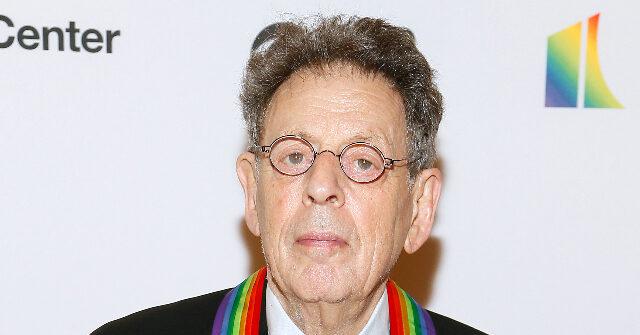
Philip Glass withdrew his Symphony No. 15 from the Kennedy Center's planned June world premiere. Glass said the Kennedy Center's values under Trump directly conflict with the symphony's message.

61 outlets told this the same way.
Outlets did split on Avianca Flight 42 Diverts to Miami After Severe Turbulence Injures Eight Passengers →
Composer withdraws Lincoln premiere
Composer Philip Glass announced he is withdrawing the world premiere of his Symphony No. 15, Lincoln, from the John F. Kennedy Center for the Performing Arts.
“The 40-minute, eight-part orchestral work sets text from Abraham Lincoln and includes movements titled Lyceum Address, Autobiography, Slavery, The End of the War and Farewell Address.”
He said the institution's current leadership and values are in direct conflict with the work's message.
The two performances had been scheduled for June 12-13 and were to be led by conductor Karen Kamensek.
Glass said he felt an obligation to withdraw this Symphony premiere from the Kennedy Center under its current leadership.
The piece is a portrait of Abraham Lincoln that draws on Lincoln's 1838 Lyceum Address.
It was co-commissioned by the Kennedy Center and the National Symphony Orchestra and had been advertised as part of the Center's summer programming.
Kennedy Center backlash
Glass’s withdrawal comes amid a broader wave of artist and institutional pullbacks. The pullbacks followed when President Donald Trump’s allies overhauled the Kennedy Center’s board, added Trump’s name to the building, and installed new leadership.
Reporting lists other high-profile departures and cancellations, including Renée Fleming, Stephen Schwartz, Béla Fleck, Lin-Manuel Miranda’s Hamilton, and the Washington National Opera. Several pieces describe the changes as prompting an artist backlash that frames the Center as politicized.
Kennedy Center and NSO responses
The Kennedy Center's public relations response and the National Symphony Orchestra's reaction highlighted competing frames. Roma Daravi, the Center's vice president of public relations, told media that 'we have no place for politics in the arts' and criticized boycott calls as the wrong decision.
“Roma Daravi responded that 'we have no place for politics in the arts,' and criticized boycott calls as the wrong decision.”
National Symphony Orchestra officials said they were surprised to learn of Glass's withdrawal at the same time as the press and expressed admiration for the composer. Some reports note the NSO intends to remain committed to performing at the Center even as program plans are revised.
Practical and symbolic fallout
Beyond the immediate politics, outlets also address practical and symbolic fallout: program disruption, ticket-holder and donor consequences, and reputational risk for the Center. Some analyses point to the logistical burdens of replacing a new symphony commission and rearranging rehearsals and marketing.
Others stress the symbolic clash of a Lincoln portrait being premiered at an institution whose leadership critics view it as undermining democratic norms. Reports note Glass's stature as an 88- or 89-year-old Kennedy Center honoree and National Medal of Arts recipient with a large body of work, so his withdrawal carries both artistic and symbolic weight.