Iran-Israel26 October, 20252 min read
PKK Withdraws All Fighters from Turkey in Historic End to Armed Conflict
PKK has withdrawn all fighters from Turkey to northern Iraq as part of peace process. Withdrawal follows formal renunciation of armed struggle and symbolic disarmament ceremonies.

37 outlets told this the same way.
Outlets did split on U.S. Intercepts Iran Message Activating Sleeper Cells After U.S.-Israel Strike Kills Khamenei →
PKK Withdrawal and Peace Efforts
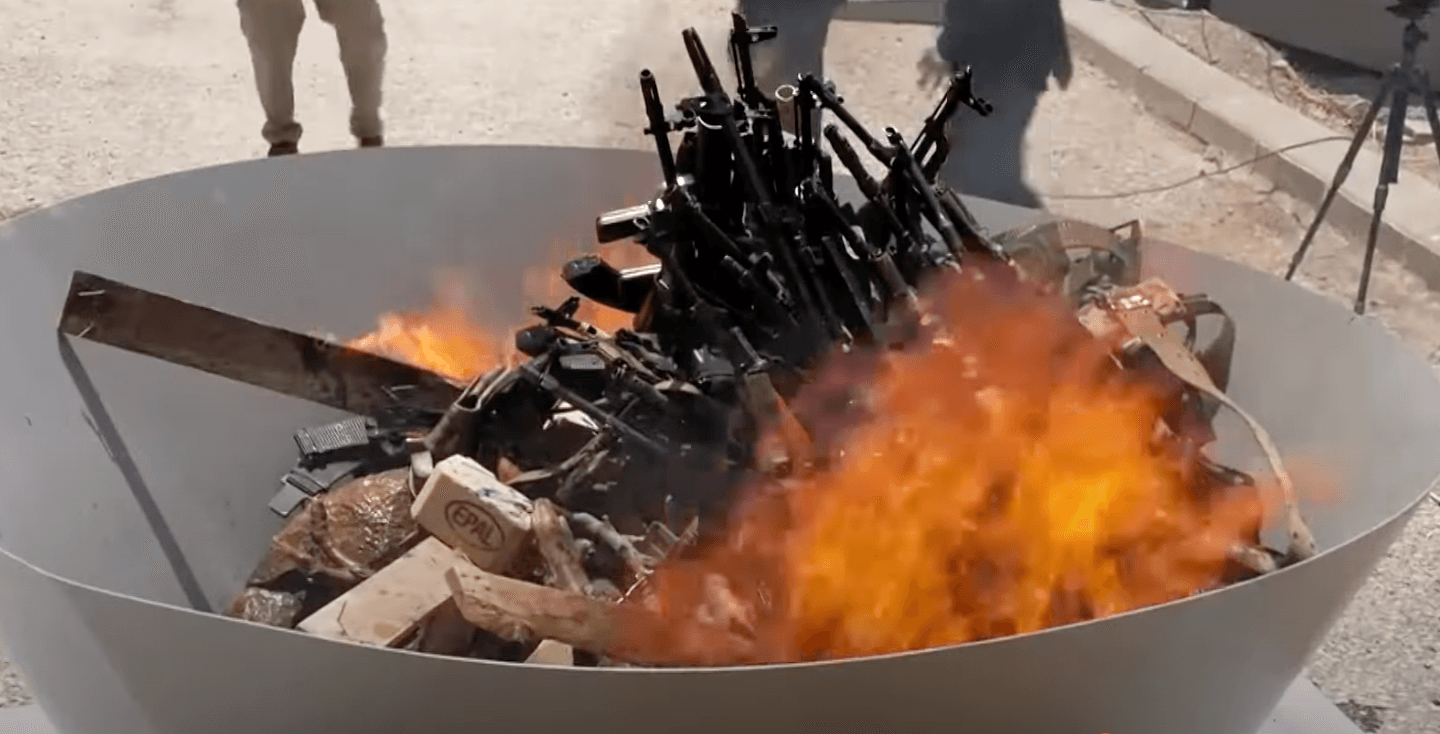
On October 26, 2025, the Kurdistan Workers’ Party (PKK) announced it had withdrawn all its fighters from Turkey to northern Iraq. This move capped a year in which the group declared in May it would disband and renounce armed conflict and staged a symbolic weapons-burning ceremony in July. The relocation—approved by imprisoned leader Abdullah Öcalan—centers on the Qandil/Medya Defense Areas in Iraqi Kurdistan and was publicized at a ceremony in the Qandil Mountains.
“The withdrawal, approved by imprisoned leader Abdullah Öcalan, aims to prevent border clashes and calls for legal and political reforms from Turkey to support peace.”
Sources across regions agree this marks a watershed after decades of insurgency, but they differ in emphasis. Some frame it as a coordinated, formal “second phase” of peace, while others stress a cautious peace initiative requiring legal and political follow-through by Ankara.

Turkey's Peace Process Efforts
Ankara publicly welcomed the withdrawal while moving to shape a legal framework for peace through parliament. Reports describe indirect talks since late 2024 and a 48-member parliamentary commission working toward a year-end deadline. Officials warn the process must be shielded from provocations and sabotage.
Turkish messaging often frames the goal as a “terror-free Turkey.” The PKK and mediators press for concrete legal and political steps beyond broad amnesty to enable democratic participation and protect ex-combatants.
PKK Withdrawal and Demands
The PKK couples its withdrawal with demands for legal reforms and clarity on Abdullah Öcalan’s status. Coverage ranges from explicit calls to free Öcalan to more cautious references to potentially meeting or releasing him. There are also broader requests to safeguard rights for demobilized fighters.
“The Kurdish militant group PKK began withdrawing all its forces from Turkey to northern Iraq, urging the Turkish government to release its imprisoned leader to support the peace process.”
Reports note frustration over slow progress on Kurdish rights and Öcalan’s conditions. Despite these issues, the PKK reiterates a commitment to a democratic, non-violent path.
Conflict Impact and Group Evolution
Accounts of the conflict’s toll and the PKK’s evolution vary by outlet. Some cite more than 40,000 killed since 1984, others say around 50,000, and still others refer to “tens of thousands” over decades.
Multiple sources reiterate that Turkey, the U.S., and the EU list the PKK as a terrorist organization. Coverage also notes the group’s ideological shift—from seeking an independent Kurdish state to pursuing autonomy and rights within Turkey—and recalls past failed peace efforts.

Media Coverage and Geopolitics
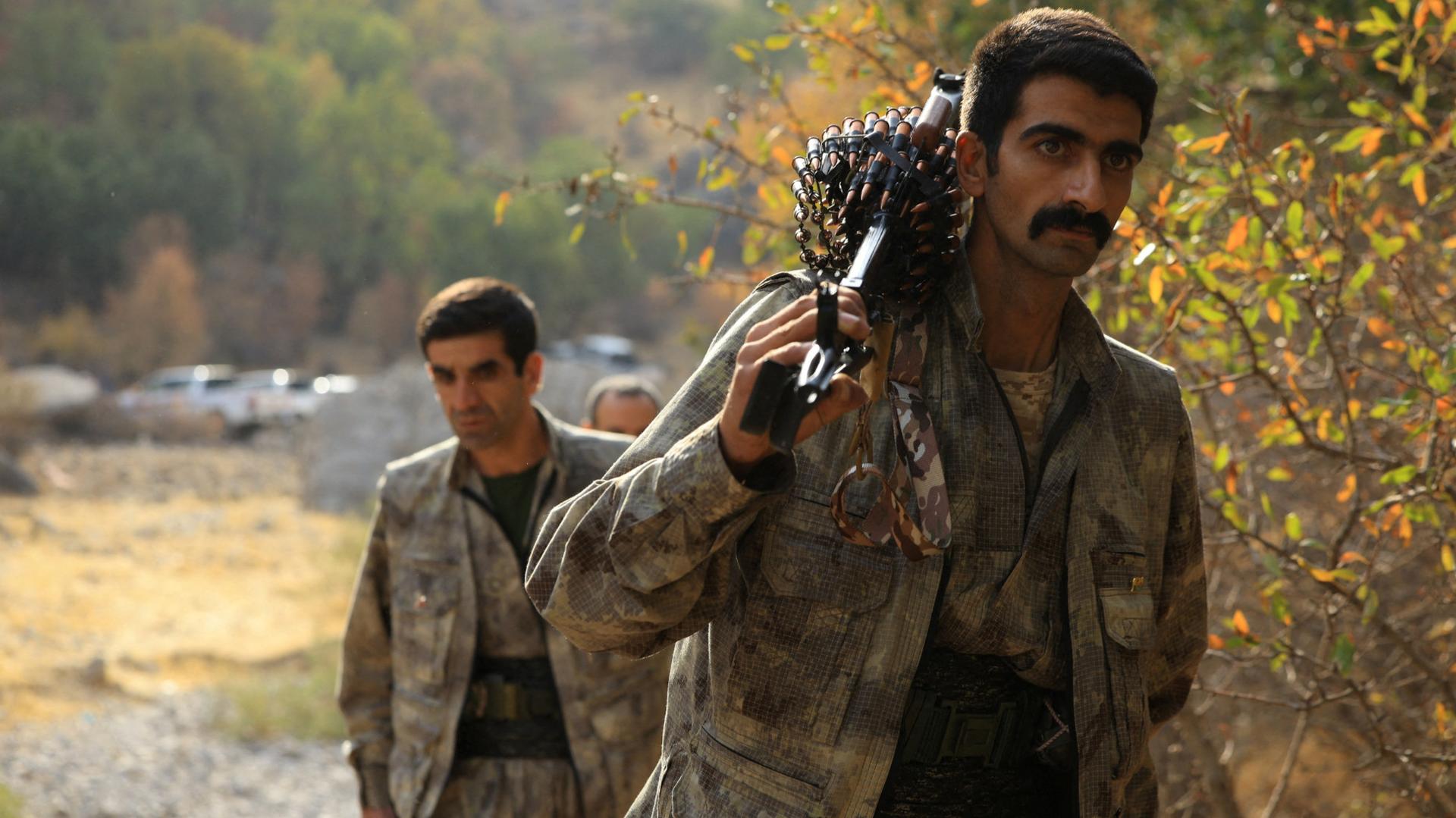
Reactions and implications are reported unevenly. Visual and on-the-ground details include images of crossings and a staged presentation of 25 fighters. Some outlets highlight regional geopolitics or domestic economic cautions.
“The group showcased 25 fighters, including three commanders and eight women, who had just left Turkey as part of the pullout.”
Several West Asian and alternative sources flag broader geopolitical stakes, including Syria, and differing expectations for legal reforms and messaging inside Turkey. One multi-topic outlet pairs the PKK update with unrelated entertainment and sports coverage, a reminder of how context and framing vary widely across media ecosystems.