Britain24 October, 20253 min read
Plaid Cymru Defeats Labour and Reform UK in Caerphilly By-Election, Ending Labour’s Century-Long Hold
Plaid Cymru’s Lindsay Whittle won Caerphilly by-election with a 3,848-vote majority. Labour’s vote share collapsed to 11%, dropping to third place behind Reform UK.

14 outlets told this the same way.
Outlets did split on UK Police Charge Teddy Young With Spying For Foreign Power, Royal Navy Member →
Caerphilly By-Election Results
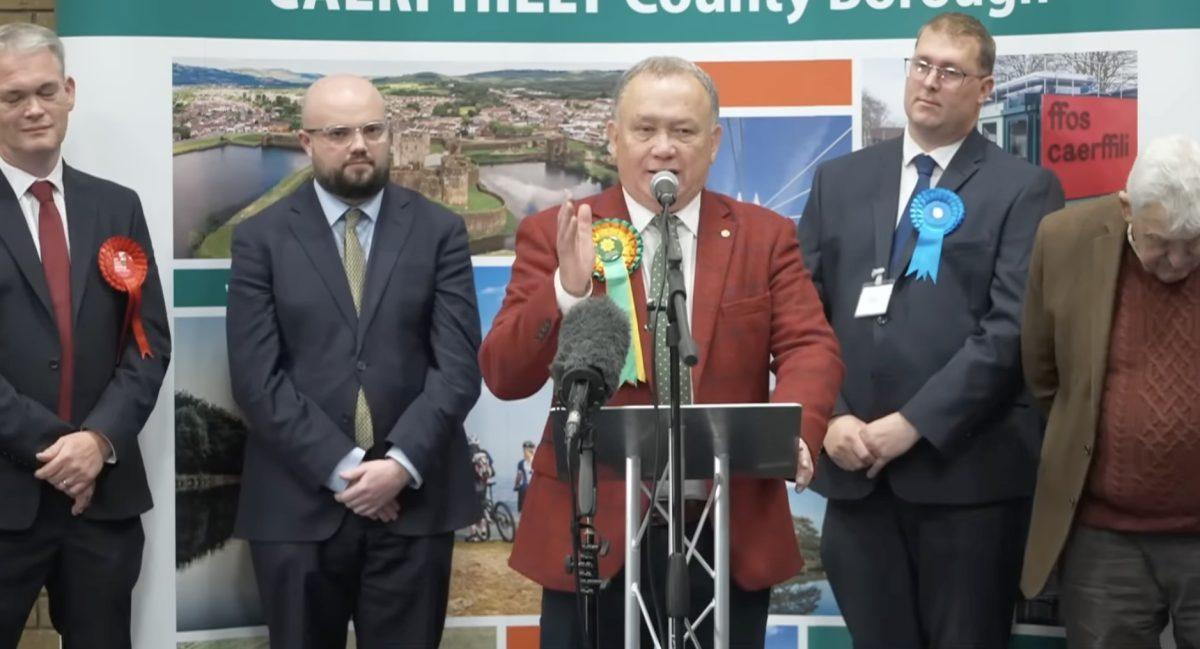
Plaid Cymru won the Caerphilly Senedd by-election, ending Labour’s century-long hold on the seat. Lindsay Whittle took the seat with a commanding lead over Reform UK and a distant Labour in third place. Sky News reports Whittle secured 15,960 votes, ahead of Reform UK’s Llŷr Powell with 12,113 votes and Labour’s Richard Tunnicliffe with 3,713 votes.
“Plaid Cymru won the Caerphilly Senedd by-election for the first time, ending Labour’s long-standing dominance in the area.”
The voter turnout was 50.43%. The Independent states Plaid received 47.38% of the vote, while Reform UK’s Llŷr Powell came second with 35.9%, and Labour came a distant third at just 11%.
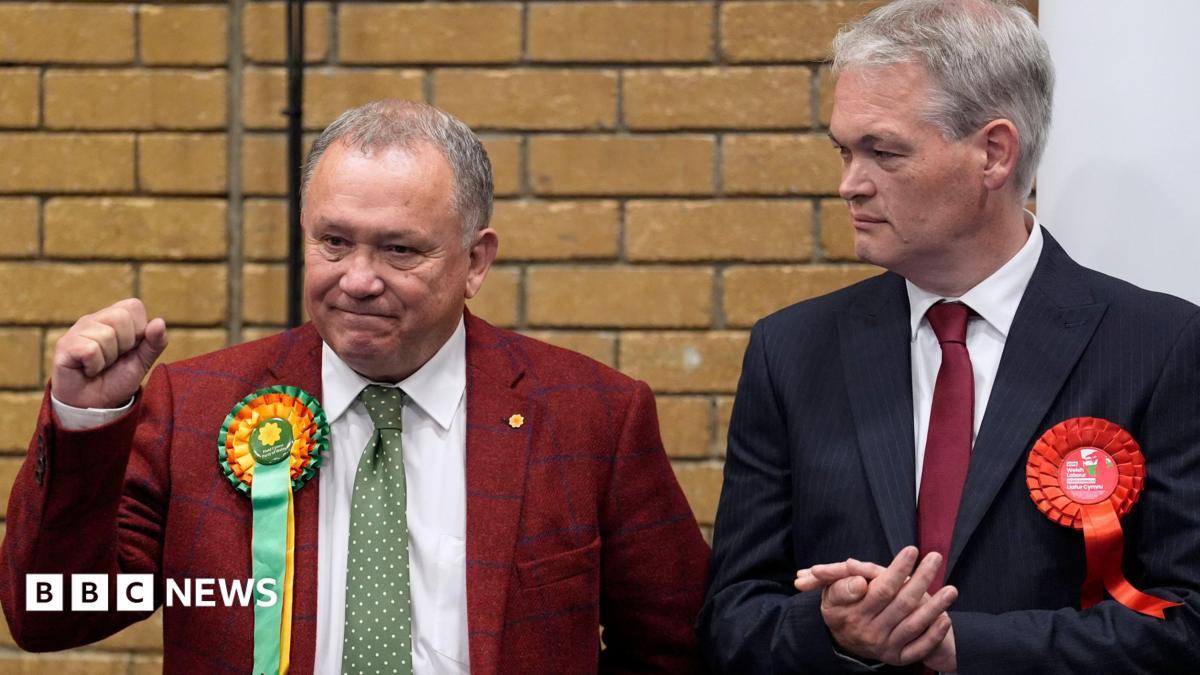
The BBC calls it a major by-election victory that ended Labour’s 100-year hold, noting Plaid and Reform UK dominated with 83% of the vote between them. The Times reports Labour fell to just 11%, Conservatives were almost completely wiped out, and the result signals serious trouble for Labour in Wales.
Welsh By-Election Results
Coverage converges that this was a two-horse race between Plaid and Reform UK, with Plaid pulling clear on the day. Sky News calls it “a two-horse race between Plaid and Reform UK.” The BBC notes Plaid and Reform “dominated with 83% between them” and Reform “finished second with 36%.”
Metro describes a “closely fought Welsh Parliament by-election” with a “nearly 27% swing from Labour.” The Droitwich Standard records near-identical tallies to Sky, listing 15,961 for Plaid, 12,113 for Reform, and 3,713 for Labour.

Labour's Election Setbacks
Analyses of the fallout differ: some focus on Labour’s internal problems, while others emphasize budget arithmetic and tactical voting. The New Statesman highlights deep internal divisions within Welsh Labour and campaign disarray. The Guardian warns that the loss threatens Labour’s ability to pass its 2026-27 budget, risking service cuts.
“The article discusses a significant political shift in Caerphilly, a traditional Labour stronghold in Wales, where Labour suffered a decisive defeat.”
LabourList reports party sources who say tactical voting by Labour supporters for Plaid aimed to block Reform. The Independent adds that tactical voting likely prevented Reform from winning, even as it calls the result a blow to Keir Starmer.
Wales Election Reactions
Narratives also diverge on what the win signifies for Wales. Nation.Cymru celebrates it as a rejection of English dominance and a step toward Welsh self-determination. Mainstream outlets focus on institutional stakes and issue salience.
Nation.Cymru portrays a significant electoral victory and a major defeat for Labour, linking hopes of a breakaway from English rule. The Guardian says local concerns like health and education were more important to voters than Reform’s anti-immigration stance. Metro quotes Plaid’s leader calling it a mandate for positive change and a rejection of division.

The BBC and The Times stress Plaid’s momentum and Labour’s vulnerability. The BBC warns Labour could lose its 27-year streak of devolved power.
Conflicting Election Result Reports
One outlier account conflicts with the near-unanimous reporting. The Irish Times claims Reform UK candidate Alex Whittle won the seat, even though most outlets state Plaid’s Lindsay Whittle took it. That same Irish Times snippet later says Reform fell short of winning.
“In a stunning by-election result in Caerphilly, Wales, Reform UK candidate Alex Whittle won the seat, ending Labour’s century-long dominance in the area.”
Sky News and The Independent both list Plaid’s Lindsay Whittle as the winner with clear margins. The BBC asserts Labour’s loss ended a 100-year hold. The contrast illustrates how a single erroneous or inconsistent report can diverge sharply from the wider evidence base and naming of the winning candidate.