Technology and Scienceupdated 1h ago2 min read
Polestar And Oxford University Use Eye Trackers And Heart-Rate Monitors To Measure Driver Performance
This article is an automated aggregation of coverage from news outlets. Our editorials offer in-depth analysis curated by the NewsCord team.
Twelve drivers wore eye trackers and heart-rate monitors to compare two Polestar 4s. Two Polestar 4 variants were tested: rear motor and dual-motor performance pack.
Measuring the “feel”
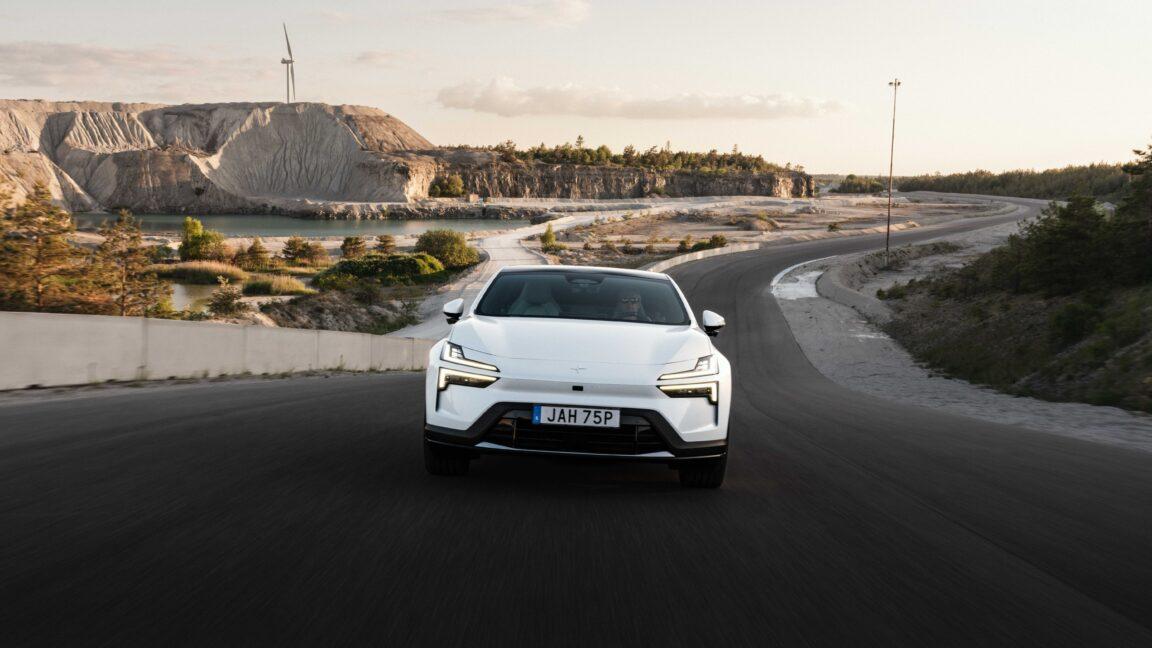
Polestar and researchers at the University of Oxford’s SDG Impact Lab ran a pilot study to quantify how performance feels to drivers rather than relying only on conventional metrics like acceleration and lap times. Christian Samson, Polestar’s head of product attributes, said, “As electric cars redefine what performance can be, we wanted to understand something that can’t be captured by a specification sheet alone: the human experience behind the wheel.” The pilot put 12 drivers into eye trackers and heart-rate monitors as they track-tested two versions of the Polestar 4 at the Gotland Ring in Sweden, including the rear motor and the dual motor with Performance pack.
The study paired vehicle telemetry with physiological data and subjective interview assessments after the fact, then compared how the same track moments mapped onto what the human inside the car experienced. The researchers described the work as a feasibility pilot and said a larger study is needed to establish whether the findings are reliable and valid.
Numbers from the track
Polestar’s pilot study found that the Polestar 4 Dual motor with Performance pack delivered 32% higher peak acceleration than the 268 hp Rear motor version on matched laps.
Electrek reported that the Performance pack car also needed 15% less steering effort to achieve the comparison laps, and the study’s results tied those differences to driver experience ratings.

On the study’s Performance/Dynamics scale, the Performance version scored 89.2 out of 100, while the Rear motor scored 67.7, and the overall experiential quality scored 93.0 versus 77.9.
During dynamic driving, the researchers logged changes in attention-linked measures, including that participants blinked less, their pupils got bigger, and they held their gaze longer.
Max Klapow, a doctoral researcher at the Oxford SDG Impact Lab, framed the goal as translating vehicle behavior into driver confidence and control, saying, “Performance is not simply about going faster. It is about giving the driver a sense of confidence and control through predictable vehicle responses.”
From pilot to next steps
Polestar and Oxford linked the car-to-driver connection by combining telemetry with heart-rate monitoring, eye tracking, psychological assessments, and interviews to explore how performance actions map to human responses. The study’s interviews emphasized that drivers described performance as more than physical excitement, combining heightened bodily response, trust in the car, a sense of control, and intense focus. Several participants compared the experience to a “controlled roller coaster,” and one participant said the car “makes you feel like a better driver than you are.”
Transport + Energy described the pilot as laying groundwork for a larger Phase 2 study that could deliver a more developed way to measure the thrill of driving an electric car. Ars Technica said the pilot used heart rate monitors and skullcaps studded with electrodes, plus the cars’ gaze-tracking driver monitoring system to gather physiological data while drivers lapped the Gotland Ring circuit.