Technology and Scienceupdated 1h ago3 min read
DHS Orders Federal Civilian Agencies To Remove DeepSeek Over Data Security Concerns
This article is an automated aggregation of coverage from news outlets. Our editorials offer in-depth analysis curated by the NewsCord team.
DHS orders removal of DeepSeek AI from federal civilian agencies and bans new contracts. Order cites security concerns and threat vectors; applies to affiliates and third-party services using DeepSeek.

19 outlets told this the same way.
DHS orders removal
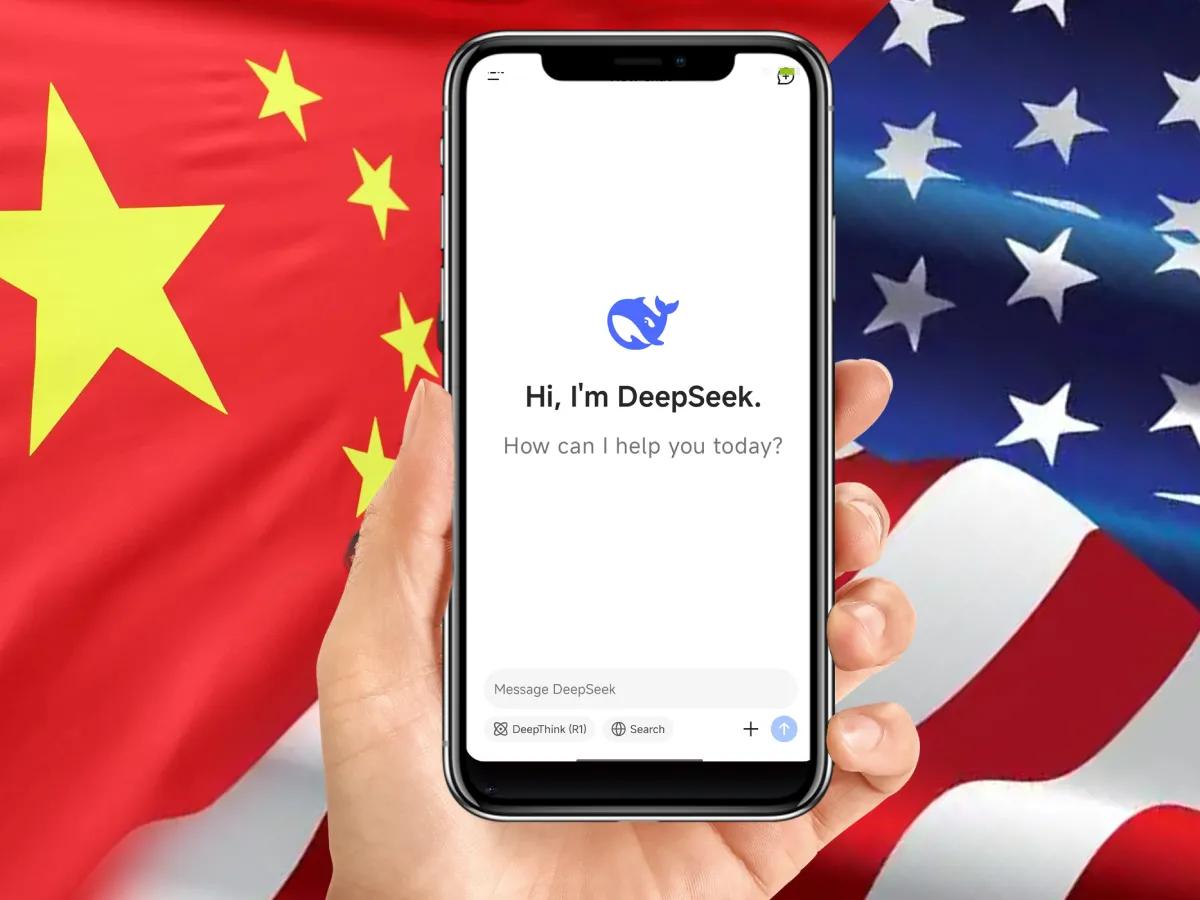
The U.S. Department of Homeland Security ordered federal civilian agencies to remove DeepSeek and its affiliated products, as well as third-party products and services developed using DeepSeek, from their IT systems, and it also blocked civilian agencies from procuring DeepSeek products and services.
The order, dating back to late July, applied to federal civilian agencies including the departments of the Treasury, State and Justice, while excluding the Department of Defense.

The DHS notice in the Federal Register alleged that DeepSeek’s models “present multiple threat vectors,” including concerns that its servers are located in China and that Chinese authorities could potentially access private company infrastructure and sensitive U.S. data.
Mao Ning, a Chinese Foreign Ministry spokesperson, said China would “will resolutely safeguard the legitimate rights and interests of Chinese companies” when asked about the U.S. ban at a regular press conference.
The U.S. president Donald Trump and Chinese president Xi Jinping are set to meet in mid-November on the sidelines of the APEC leaders’ summit in Shenzhen, China, with AI expected to be on the agenda.
Threat vectors cited
The DHS order warned that using DeepSeek’s AI models could result in sensitive government information being transferred to China, potentially exposing intelligence concerning American citizens and government programmes. The DHS also raised concerns that the models could contain malware or other security weaknesses, citing open-source research that identified multiple critical vulnerabilities in DeepSeek’s iOS application. The notice described a compliance requirement that executive agencies can request exemptions, including extensions to the compliance deadline, by submitting written justifications to the DHS within 60 days of the order’s issuance.
The Department of Homeland Security said the use of DeepSeek AI tools “could lead to the transfer of sensitive data to (China) if used by U.S. government employees or contractors,” and it warned that DeepSeek models themselves may contain malware or other security vulnerabilities. The U.S. government said the directive applies to all products from the Chinese AI leader, as well as third-party services using its models, while the order does not establish a global ban on Chinese models or prevent independent researchers from studying their capabilities.
China pushes back
China’s foreign ministry told Reuters that it would safeguard the rights and interests of its companies, with Mao Ning saying China “consistently opposes the over-generalization of national security as well as the politicization of science, technology and trade issues.” The U.S. ban framed DeepSeek as a national security risk by alleging that DeepSeek’s models “present multiple threat vectors,” including that DeepSeek servers are located in the PRC and that the PRC legal system permits extensive authority to government cyber and intelligence functions to access private company infrastructure. The DHS order required agencies to remove versions put into place prior to the ban and to check that they had not already been compromised, while also warning organizations to monitor the flow of traffic in and out of the agency and implement enhanced logging and controls for relevant systems.
The order also barred DeepSeek from future procurements and extended the restriction beyond DeepSeek itself to third-party products and services developed using its implementations, raising questions about software provenance and supply-chain compliance. The DHS order did not immediately prompt a response from DeepSeek, and the order’s scope remained limited to federal civilian agencies’ information technology systems and procurement activities rather than a general prohibition on private companies or individual users.