Lebanon02 December, 20253 min read
Pope Leo XIV Urges Middle East To Change Course, Choose Peace During Lebanon Visit
Pope prayed at the 2020 Beirut port blast memorial and celebrated Mass at the waterfront. Pope urged Middle Eastern leaders to reject revenge and choose peace and reconciliation.
42 outlets told this the same way.
Outlets did split on Lebanon’s Judiciary Prepares To Apply General Amnesty Law No. 70, Judge Ahmed Rami Al-Hajj Says →
Pope's Lebanon visit
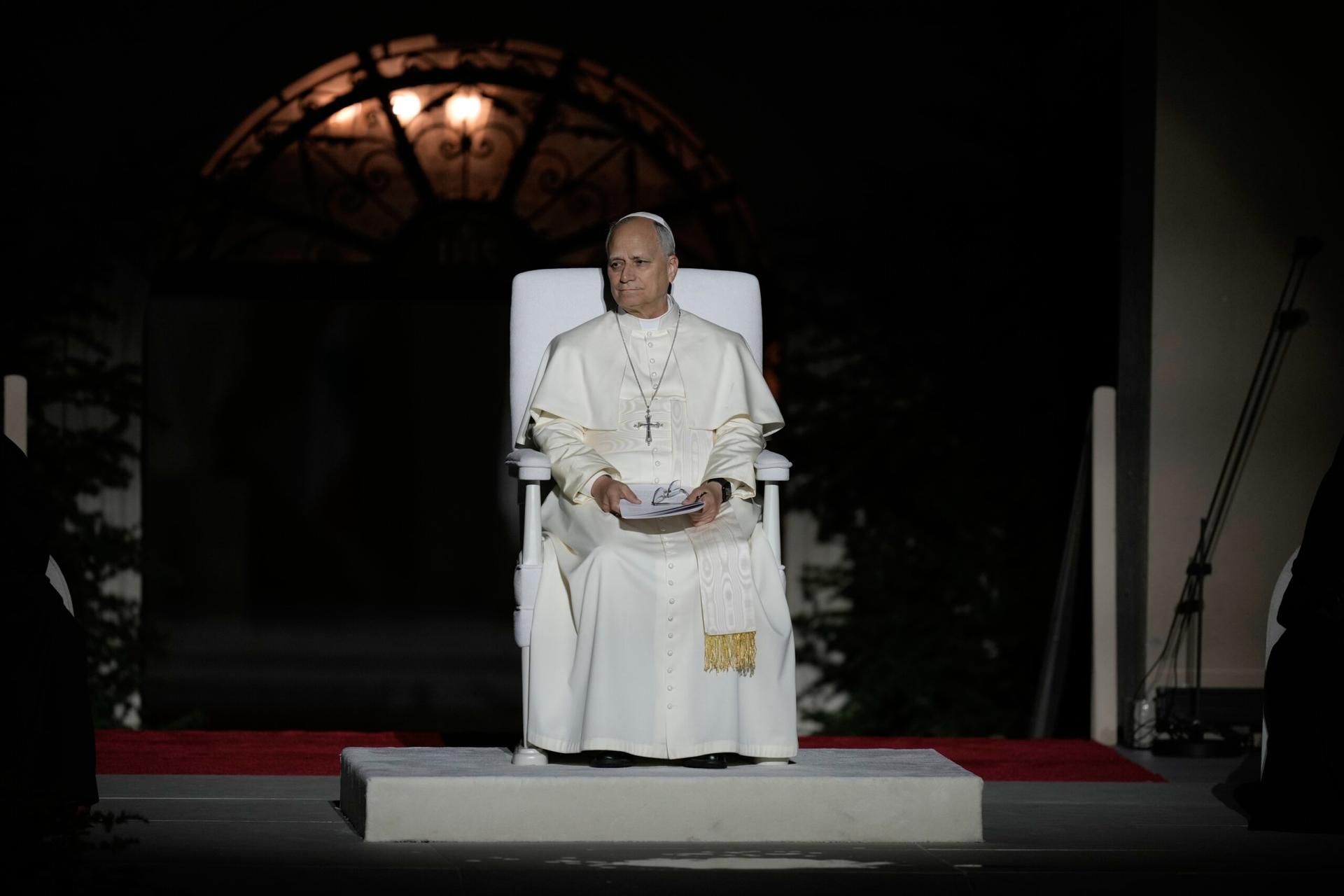
Pope Leo XIV concluded a three-day visit to Lebanon with a public Mass on Beirut’s waterfront and repeated appeals for the Middle East to choose peace over cycles of revenge and violence. Vatican News described the trip as a “pilgrimage of hope,” saying the pope prayed for peace in Lebanon and the wider Middle East and urged Christians to pursue coexistence, fraternity and reconciliation. UPI summarized the pope’s core admonition to reject the “horror of war” and abandon a mindset of revenge, and noted he stopped short of explicitly naming Israel while calling for an end to hostilities.
“Tens of thousands gathered in Beirut as Pope Leo XIV delivered a message of unity to a city and country fractured by years of crisis.”
Crux reported the pope’s call for “new approaches” to overcome divisions and open new chapters of reconciliation. Together, these accounts portray a papal visit framed as a moral and spiritual appeal for non-violence and renewed dialogue in a region marked, the pope said, by instability and suffering.

Pope's Lebanon visit
The waterfront Mass drew very large crowds and included moments intended to comfort victims of past national trauma.
Multiple outlets reported attendance in the tens or hundreds of thousands.

RTE.ie and The Straits Times cited roughly 150,000 people, while NBC and Breitbart also noted tens of thousands or over 150,000 attendees.
Before the Mass, the pope visited the memorial to the Aug. 4, 2020 Beirut port explosion, laying a wreath, lighting a lamp and meeting survivors.
Reporting from The Straits Times, Free Malaysia Today and Kuwait Times emphasised his meetings with survivors and his calls for justice and attention to the marginalised.
Coverage consistently highlights that the liturgy and visits blended prayer, consolation and public exhortation amid Lebanon’s ongoing economic and political crises.
Pope's Lebanon visit
The visit combined high-level diplomacy and ecumenical outreach: the pope met senior state figures and presided over an interfaith gathering attended by leaders of Lebanon's main religious communities. Middle East Monitor reported his arrival and meetings with President Joseph Aoun, Prime Minister Nawaf Salam and Parliament Speaker Nabih Berri.
“Pope Leo XIV, the first U.S. pope, arrived in Beirut from Istanbul on the second leg of his maiden trip, escorted by a Lebanese military jet.”
AL-Monitor and Al Jazeera described large interfaith sessions, with AL-Monitor noting leaders from 16 of 18 recognised religious communities, and NBC and GMA Network said religious leaders from several faiths publicly voiced support. Observers and analysts quoted across outlets said the careful wording preserved the pope's role as moral mediator and signalled that the Vatican remains engaged amid fears of state fragmentation and threats to Lebanon's pluralism.
Media framing of papal visit
Reporters framed the visit against the backdrop of regional conflict and Lebanon's own crises.
Al Jazeera explicitly tied the trip to the Israel–Hezbollah–Gaza conflict, noting rocket exchanges beginning Oct. 8, 2023 and a November ceasefire.

The Guardian and WTOP emphasized continuing Israeli airstrikes and the risk of regional spillover.
RTE.ie and the Los Angeles Times stressed Lebanon's economic collapse, displacement, and lingering wounds from last year's war.
Coverage therefore combined the pope's pastoral agenda with repeated reminders that Lebanon faces security threats, political paralysis, and deep socio-economic damage that shape the visit's urgency and its constrained diplomatic space.
Pope's visit to Lebanon
Across outlets, reviewers noted the pope's careful diplomatic posture and the different emphases of coverage. Some outlets presented the visit primarily as a boost to Lebanon's Christian communities and a reminder that the Vatican remains engaged (UPI, Middle East Monitor, Breitbart). Other outlets framed the trip as a moral warning against violence and a plea for reconciliation addressed to all Lebanese and the international community (Vatican News, WTOP, exaudi.org).
Several pieces emphasized practical appeals, including calls for justice over the port blast, attention to the vulnerable, and encouragement for young people not to emigrate. Analysts cautioned that the visit's moral urgency must be translated into concrete political reforms if it is to change Lebanon's trajectory.
