Iran-Israel12 February, 20262 min read
President Donald Trump Keeps Door Open to Military Action on Iran After Meeting With Prime Minister Benjamin Netanyahu
This article is an automated aggregation of coverage from news outlets. Our editorials offer in-depth analysis curated by the NewsCord team.
President Trump considers deploying a second U.S. aircraft carrier strike group to pressure Iran President Trump urged continued talks with Iran while warning of 'very traumatic' consequences
57 outlets told this the same way.
Outlets did split on U.S. Intercepts Iran Message Activating Sleeper Cells After U.S.-Israel Strike Kills Khamenei →
Trump and Netanyahu on Iran
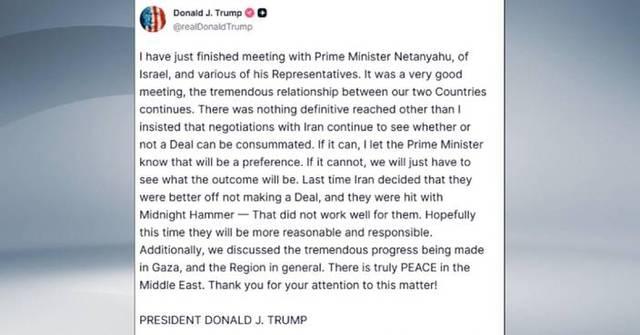
President Donald Trump hosted Israeli Prime Minister Benjamin Netanyahu for a lengthy White House meeting focused on Iran. Trump publicly said he prefers diplomacy but explicitly kept military options on the table, including considering an additional aircraft carrier if talks fail.
“Trump signaled a two‑track approach to Iran, saying he prefers a diplomatic nuclear deal while also moving to reinforce U.S. military presence in the Middle East.”
Sources report the meeting lasted roughly three hours, or more than two-and-a-half hours in some accounts, and produced no immediate breakthrough, with Trump calling the encounter "very good" but stopping short of accepting Israel’s broader demands. The visit came as U.S. officials discussed reinforcing naval forces in the region and after indirect U.S.–Iran talks in Oman, placing diplomacy and show-of-force moves side by side.
Diplomacy and military pressure
Trump repeatedly framed his approach as preferring talks while warning of "very tough" consequences if diplomacy fails. Multiple outlets report he believes U.S. pressure has made Iran take negotiations more seriously.
Some sources quote Trump or allies saying Iran "wants to make a deal very badly." Other sources highlight administration moves to expand military presence, including discussion of a second carrier strike group and deployed fighter jets, underscoring a deliberate ambiguity between diplomacy and coercion.
Netanyahu pushes broader Iran limits
Benjamin Netanyahu pushed the White House for a far tougher approach that would go beyond nuclear limits to include Iran’s ballistic missiles. Netanyahu sought constraints on Iran’s proxy support and other strategic capabilities. Israel says those demands are vital to its security.
“Netanyahu urged Trump to press beyond nuclear limits, demanding Iran curb its ballistic missiles, stop supporting regional proxies, and improve its treatment of protesters...”
Israeli and regional coverage portrays Netanyahu as pressing those broader constraints loudly in Washington. Several outlets report U.S. officials listened but did not fully embrace Israel’s demand to dismantle missile and proxy capabilities, leaving a gap between Israeli aims and U.S. tactical choices.
Tehran's negotiating stance
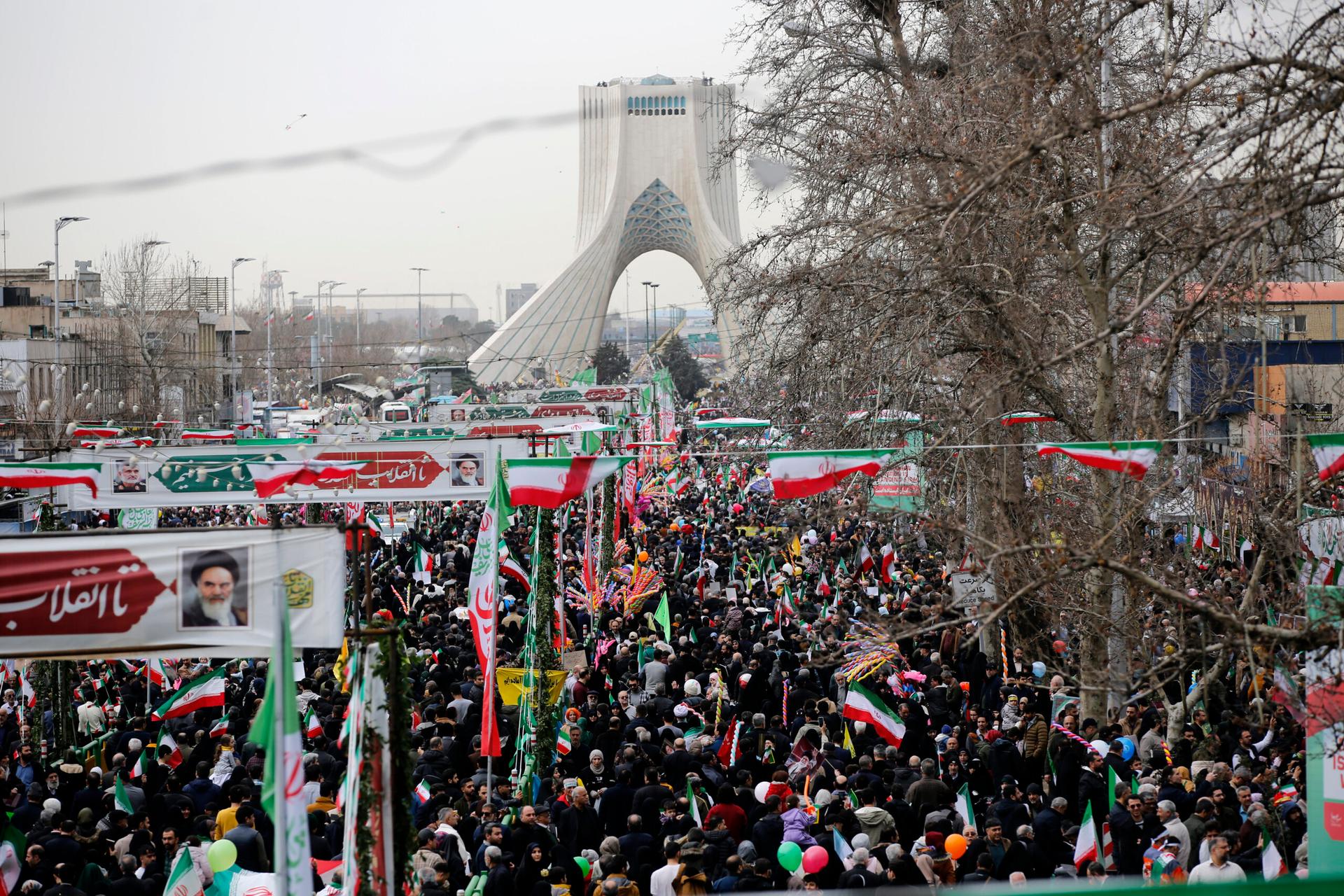
Tehran’s official response, voiced at anniversary rallies and through diplomatic channels, insists negotiations must be limited to the nuclear file. It denies pursuing nuclear weapons and rejects external demands on its missile forces. Iranian officials are quoted saying missiles are a non‑negotiable defensive capability.
Other reports note Iran professing openness to verification even as it accuses the West of mistrust. Regional and international coverage widely references domestic unrest and a recent deadly crackdown as complicating the negotiating environment.

Diplomacy and escalation risks
Analysts and reporters across the spectrum underscore uncertainty about whether the current mix of diplomacy and pressure will avert escalation. Several pieces say no definitive policy breakthrough emerged from the Trump‑Netanyahu meeting and describe a deliberate U.S. ambiguity between talks and force. They warn the White House faces a consequential choice between pressing for a limited nuclear deal or escalating pressure, a choice that allied views and domestic politics will influence.
“The administration’s stance is deliberately ambiguous: diplomacy is preferred, but the clock is ticking.”