Lebanon06 March, 20261 min read
President Trump Urges Iranian Kurds to Attack Iran, Widening Middle East War
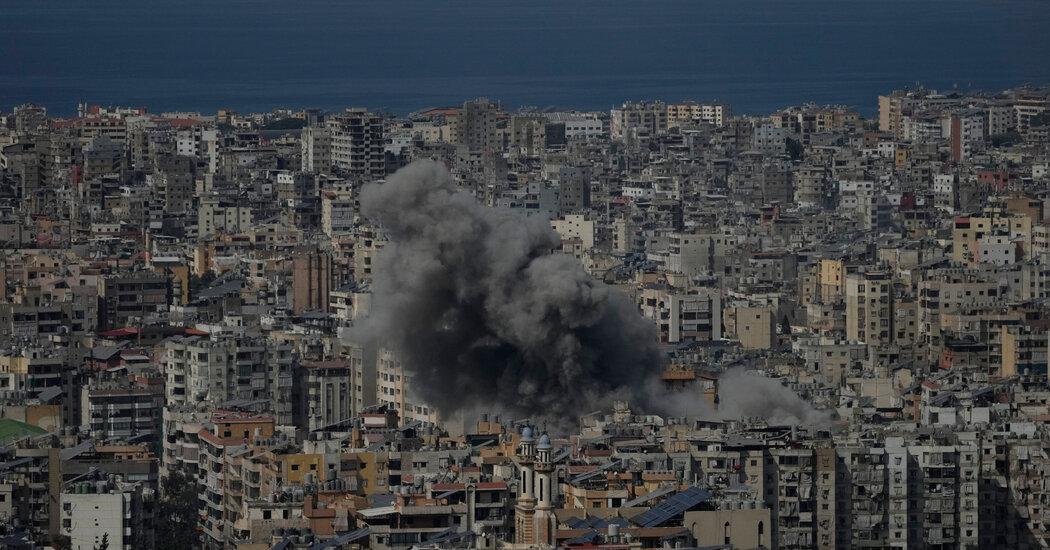
Missile and drone strikes hit Iran, Lebanon, Israel and Gulf states as conflict widened Israel struck Tehran and Beirut, declaring a new phase to intensify attacks on regime infrastructure
Trump remarks on Iran
Former President Trump publicly urged Iranians to "take back your country," promised unspecified "immunity," and attacked Mojtaba Khamenei. Multiple outlets say he has sought a role influencing Iran’s future leadership, and some sources frame his language as an appeal for Iranians to act internally.
The available snippets do not identify "Iranian Kurds" specifically. The reporting quoted references Iranians or Iran’s next leadership more generally, so the claim that he urged Iranian Kurds to attack Iran is not confirmed in these excerpts.

Regional military escalation
The urging by Trump came amid a sharp regional escalation. U.S. and Israeli strikes on Iran‑linked targets prompted Iranian drone-and-missile launches toward Israel and broad air‑defence activity across the Gulf. Those actions produced a multi‑theatre campaign and heightened military movements across the region.
Casualties and infrastructure damage
Civilians and service members have been killed and infrastructure damaged across multiple states. Gulf states reported intercepted missiles and drones and some infrastructure hits.
“Thirteen people (seven civilians), including an 11‑year‑old in Kuwait, have been killed in the Gulf since the fighting began.”
Lebanon reported dozens of deaths in fighting with Hezbollah. Iranian state media reported large casualties from strikes at home, though many of those tallies remain unverified in the excerpts provided.
International military responses
Governments and militaries have responded with deployments, defensive measures and public warnings. European states increased deployments to protect citizens and shipping.
The UK and other navies are moving assets into the area. U.S. commanders have said munitions stocks are sufficient even as officials report fewer Iranian launches since the first day of the strikes.

Verification constraints on reporting
Reporting and casualty claims remain contested and in some cases unverified. Information flows are constrained. The BBC and New York Times explicitly flag unverified claims, including an unconfirmed report about Iran's supreme leader.
“BBC warning: many claims in this article have not been independently verified.”
The New Arab notes an internet blackout inside Iran that limits independent verification. Two of the supplied snippets warn they lack full article text for fuller summarization, underscoring limits in the material provided here.