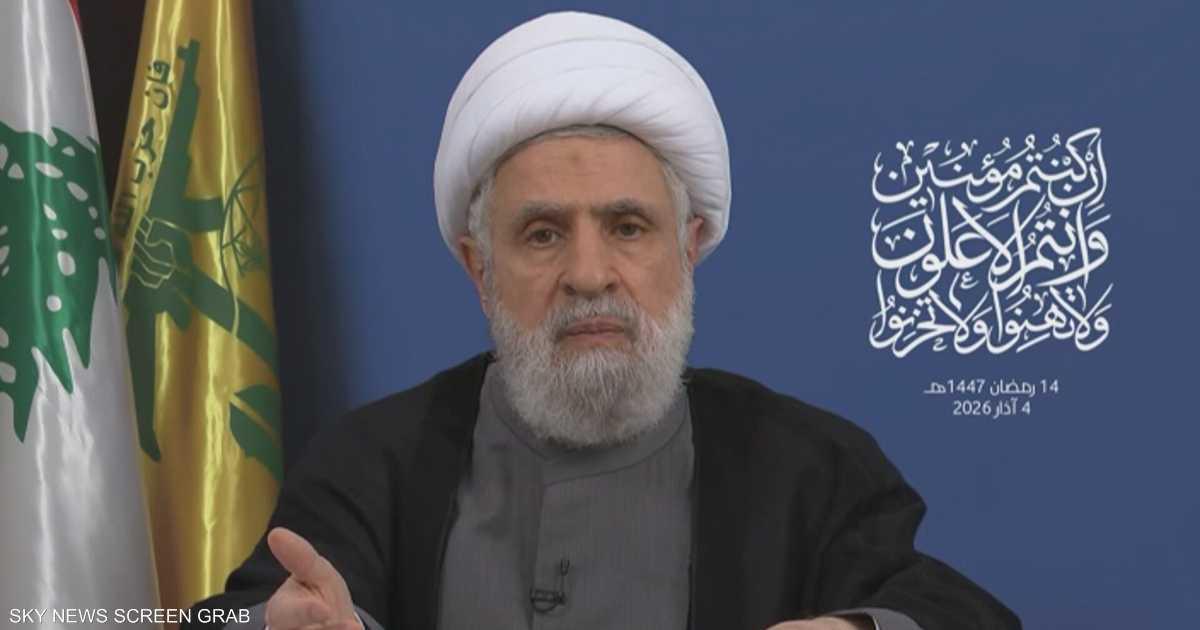
Protesters Rally in Beirut After Lebanon-Israel Framework Agreement, Hezbollah Rejects Deal
Key Takeaways
- Washington brokered framework links Israeli withdrawal to Hezbollah disarmament, prompting protests in Beirut.
- Hezbollah rejects the framework as nonexistent, humiliating, surrendering sovereignty.
- Beirut witnessed protests and rioting over the Washington-brokered Israel-Lebanon framework.
Framework deal sparks unrest
After the governments of Lebanon and Israel on Friday signed a United States-brokered framework agreement, protesters took to the streets of Beirut to express their anger at the deal.
“Beirut, Lebanon – After the governments of Lebanon and Israel on Friday signed a United States-brokered framework agreement following months of direct negotiations, protesters took to the streets of the Lebanese capital to express their anger at the deal”
The unrest came as Israel and Hezbollah have been fighting since October 2023, with the former having twice escalated the conflict, first in September 2024 and then nearly four months ago.

Critics of the framework said it does not force the Israeli army to withdraw from the areas it occupies, and Hezbollah has been militarily confronting Israel’s ongoing invasion and occupation of large swaths of southern Lebanon.
Ali Zaytoun, a resident of Beirut’s southern suburbs known as Dahiyeh, said, “After everything my family, my village, the south, and Dahiyeh have endured – the destruction, the displacement, the grief and the loss – it is incredibly difficult for me to accept an agreement with the same state that carried out the military actions that devastated our communities.”
Zaytoun, who said he had been displaced multiple times due to Israeli attacks, added, “My protest is about remembering those who suffered, standing up for my community, and expressing that this agreement does not reflect the justice or respect that people who lived through this war deserve.”
Hezbollah rejects, officials respond
Hezbollah chief Naim Qassem declared the agreement “null and void,” calling it “humiliating, shameful, and a surrender of sovereignty,” and Hezbollah supporters rioted in Beirut over the weekend following the signing of the Israel-Lebanon agreement.
In a statement carried by The Jerusalem Post, Qassem said the US-brokered agreement was a humiliating concession that undermined Lebanese sovereignty and that Hezbollah would not abide by it, adding, “We did not leave the battlefield in the most difficult circumstances, and we will not leave it.”

The Jerusalem Post described the protests as beginning with motorcycles driving through Beirut with Hezbollah and Iranian flags before turning into tire burnings and blocking off main roads, including those leading to Beirut’s airport.
Prime Minister Benjamin Netanyahu said the agreement allows Israeli forces to remain in southern Lebanon if Hezbollah fails to disarm, in line with a Lebanese law enacted in March prohibiting non-state actors from bearing arms.
Hezbollah lawmaker Hassan Fadlallah warned that Lebanese authorities would not be able to enforce the agreement unless “they go to civil war,” repeating threats attributed to Qassem in May.
Withdrawal tied to disarmament
The framework agreement’s core mechanism ties Israel’s withdrawal from Lebanon to Hezbollah’s disarmament, with the Lebanese Armed Forces (LAF) set to become the authority in southern Lebanon “pending the verified disarmament of” non-state armed groups such as Hezbollah.
The deal also states that Israel has no claim to Lebanese territory and that it will withdraw in stages starting with two pilot zones, while the Lebanese army will gradually assume full security responsibility over those areas, according to the AP account carried by The Killeen Daily Herald.
Israeli Prime Minister Benjamin Netanyahu said Israeli forces will remain in southern Lebanon “until Hezbollah and the rest of the terrorist organizations are disarmed, and until no further threat to Israel is posed from Lebanon.”
Hezbollah leader Naim Kassem said his group will keep fighting until Israel is forced to leave Lebanon, and the agreement’s critics warned it could lead to internal conflict in Lebanon.
The stakes described in the sources include the restoration of Lebanon’s sovereignty and the safe return of displaced civilians, while the AP report also notes that Lebanon’s state news agency reported an Israeli drone strike near the southern city of Nabatiyeh despite the deal.
More on Lebanon
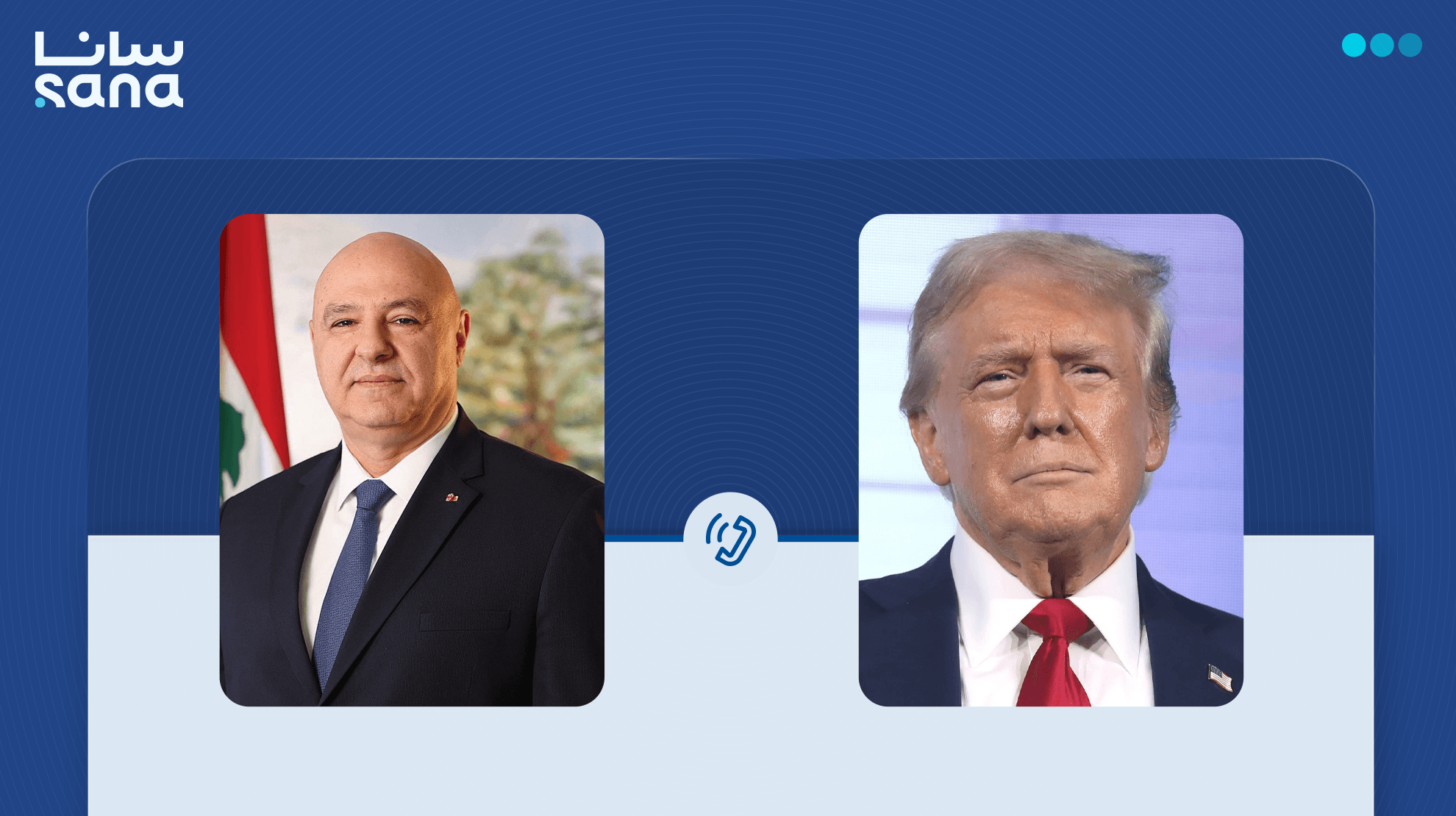
Joseph Aoun Tells Rodolphe Haykal Lebanon Army Role After U.S.-Israel Framework Agreement
10 sources compared
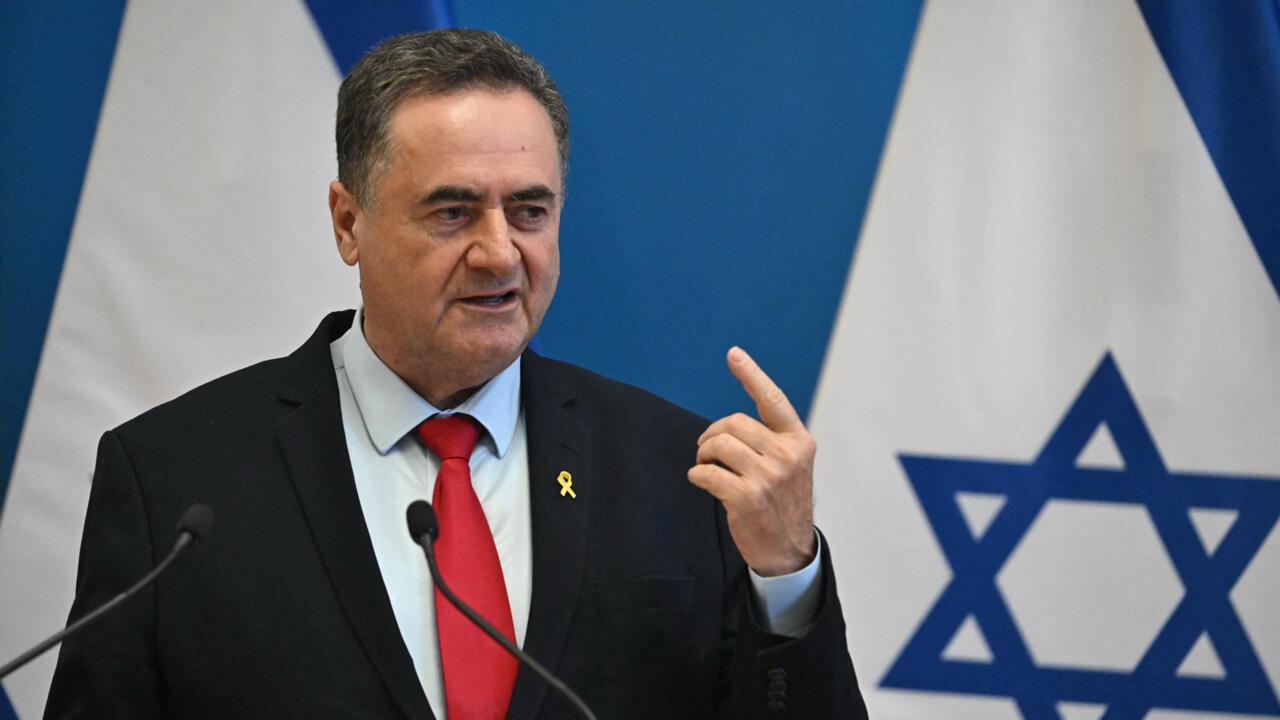
US Oversees Israel’s Phased Withdrawal From Lebanon Pilot Zone Ahead of Rome Talks
15 sources compared
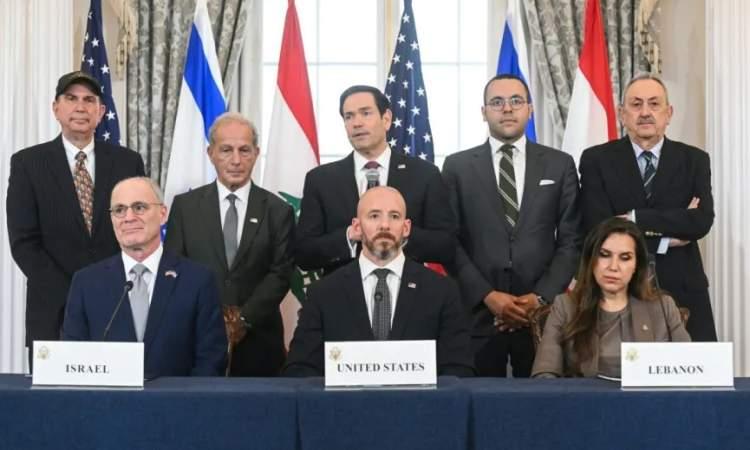
Hezbollah Rejects Israel-Lebanon Framework Agreement After Washington Talks With Marco Rubio
11 sources compared
Sheikh Naim Qassem Says Lebanon Framework Agreement Transfers Sovereignty From Zionist Regime
33 sources compared