Otherupdated 1h ago3 min read
Purdue University Says Taraia Object On Nikumaroro Island Is Large Trees, Not Amelia Earhart Plane
This article is an automated aggregation of coverage from news outlets. Our editorials offer in-depth analysis curated by the NewsCord team.
No conclusive evidence linking the Taraia Object to Earhart's plane. Expedition extended its stay due to rough seas and weather delays.
Taraia Object, no proof
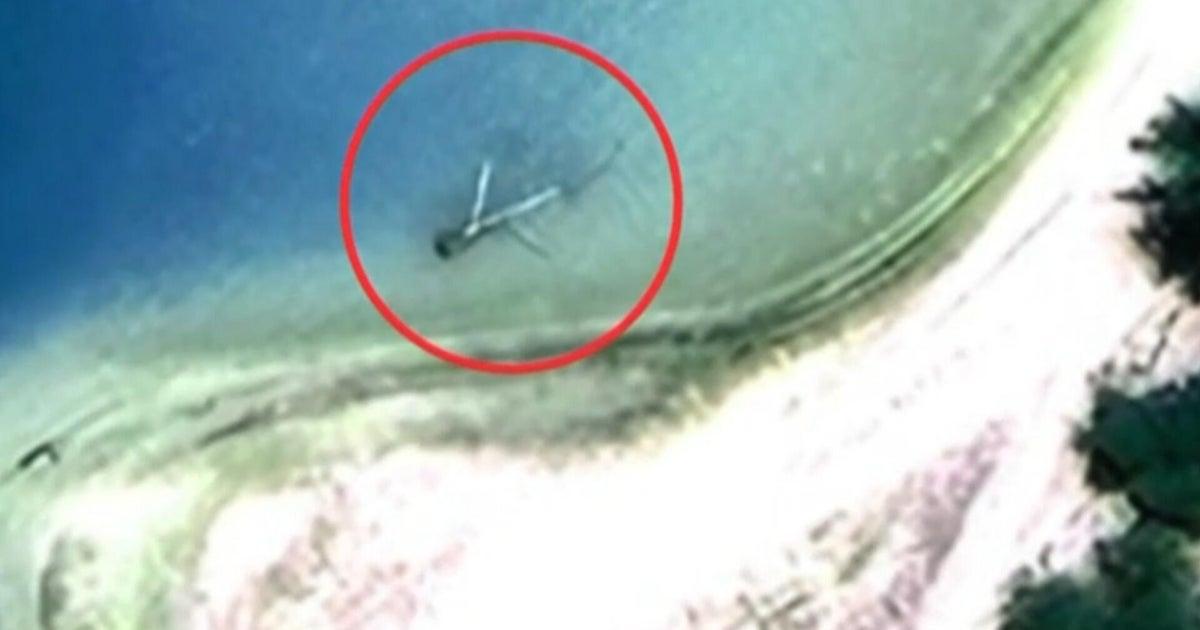
An expedition to Nikumaroro Island in the Republic of Kiribati found “no conclusive evidence” that Amelia Earhart’s Lockheed 10E Electra landed on or near the small atoll south of the original pit stop of her ill-fated flight, researchers said Monday. Purdue University said the visual anomaly known as the “Taraia Object” was likely “a collection of large trees deposited along the peninsula’s sandspit,” and the statement said “a good portion of the debris had fragmented and washed away.”
Rick Pettigrew, ALI’s executive director, said in a video statement, “The evidence for the castaway hypothesis, which brought us here, remained very, very strong,” and he added, “We think that it’s very likely that Amelia and her navigator, Fred Noonan, did in fact end up here on Nikumaroro Island.” Steve Schultz, Purdue general counsel and field assistant, said researchers could rule out the hypothesis, but it “doesn’t detract from the existing, very strong, compelling case for the castaway hypothesis.”
Rules out, artifacts remain
The Taraia Object expedition, a joint effort by the Archaeological Legacy Institute and Purdue University, concluded that the anomaly was most likely a collection of large trees deposited along the peninsula’s sandspit, and it said the team found no conclusive evidence to confirm wreckage from Earhart’s Lockheed Electra 10-E in a lagoon on a remote atoll in the South Pacific. Purdue University said that “By the time the team arrived at the site, a good portion of the debris had fragmented and washed away,” leaving “only a single Y-shaped segment,” and the university said the reflective surface was caused by a “carbonate veneer” of coral sand.
Rick Pettigrew told researchers, “We accomplished our goal to determine what the Taraia Object was,” and he said the team remained “in great spirits and proud of what was accomplished.” The expedition recovered artifacts including “a 30-inch long steel tube found in the lagoon near the Taraia Peninsula,” and Purdue said those discoveries would be studied to test the broader castaway hypothesis.
Search continues, stakes persist
The expedition’s findings did not resolve the fate of Earhart and Fred Noonan, and the search continues as researchers keep investigating the broader castaway hypothesis that the pair landed on Nikumaroro and were marooned there instead of crashing into the Pacific.
Researchers said the Taraia Object expedition launched from Tarawa in the Republic of Kiribati on Oct. 6 and traveled five days by sea to Nikumaroro, and Purdue said the mission was extended due to weather with seven days near the island, including four days onshore setting up field operations and conducting investigative work.
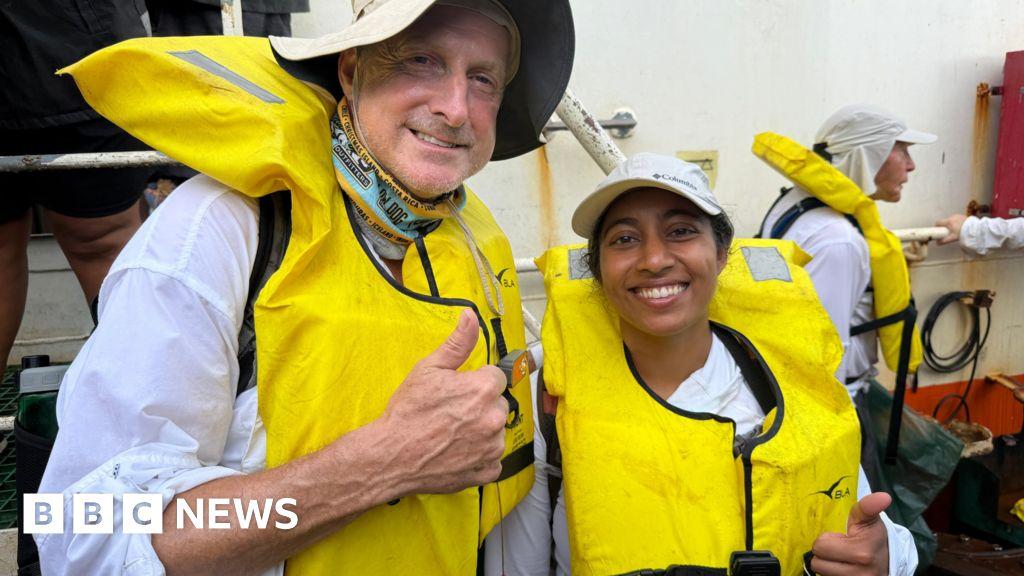
BBC reported that severe weather had forced researchers to remain on their research vessel for three days, and Sirisha Bandla said, “We are finally getting off the ship and able to land on Nikumaroro.”
The stakes for the next phase remained tied to what researchers can still test in the lagoon, and Purdue said the team would continue studying objects that could provide additional evidence for how items entering the lagoon through the Tatiman Passage can travel across the lagoon and become deposited along the Taraia Peninsula.