China15 April, 20263 min read
Putin and Xi Sign Over 40 Deals in Beijing, Fail to Reach Power of Siberia 2 Pipeline Breakthrough
Putin and Xi signed more than 40 cooperation agreements across multiple sectors. Power of Siberia 2 negotiations stalled; no pipeline breakthrough reached.
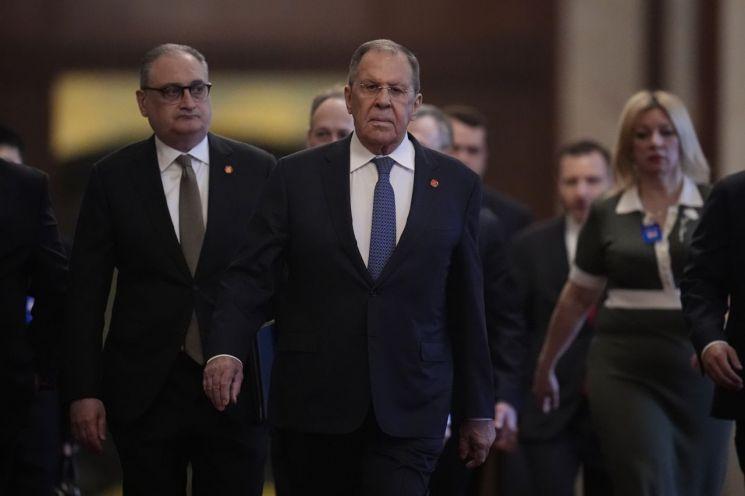
Putin, Xi meet in Beijing
Russian President Vladimir Putin and Chinese President Xi Jinping met in Beijing on Wednesday and oversaw the signing of more than 40 cooperation agreements, but they failed to reach a breakthrough on the prospective Power of Siberia 2 natural gas pipeline sought by Moscow. The pipeline issue sat alongside broader energy trade and political signaling, with Putin telling those in the room that “Russia continues to maintain its role as a reliable supplier of resources, while China remains a responsible consumer of these resources,” and Xi declaring that the two sides’ ties have reached “the highest level in history.”
“The two sides also agreed to extend a friendship treaty first signed in 2001.”
The planned Power of Siberia 2 project was described as a 1615-mile pipeline that would carry 50 billion cubic meters of gas annually to China, yet UPI said negotiations stalled over “differences over thetimetable, financing and cost” while Beijing held out for a price of around 12-13 cents per cubic meter. CBC reported that there was “no visible progress” on the Power of Siberia 2 pipeline, even as the leaders stressed their growing trade in oil and natural gas and agreed to extend a friendship treaty first signed in 2001.

No pipeline deal, praise instead
Despite the lack of a pipeline breakthrough, the summit’s public tone emphasized closeness, with Putin greeting Xi as “My dear friend,” and Xi calling Putin “My old friend,” as the BBC described the red-carpet moment at the Great Hall of the People. The BBC framed the energy negotiations as the limit to the relationship, writing that “there are limits to the love” and that Russia was keen to push ahead with Power of Siberia 2 while Beijing showed no rush to sign off on the deal.
RFE/RL reported that Kremlin spokesman Dmitry Peskov told reporters that “the basic parameters of understanding” for the pipeline are in place, including its route and construction method, but that there is “no clear timeline” because “some nuances remain to be ironed out.” In parallel, the summit rhetoric also targeted U.S. policy, with Xi repeating criticisms of “unilateralism and hegemonism” and the BBC noting that both leaders condemned Donald Trump’s plan for a Golden Dome missile defence shield.

Energy stakes and next steps
The failure to finalize Power of Siberia 2 left the project’s commercial terms unresolved, while analysts cited by CNBC warned that a deal could reshape leverage and risk, with the outlet noting that Power of Siberia 2 “could leave Moscow dangerously exposed to a single customer.” CNBC also said China holds around 1.23 billion barrels in onshore crude inventory—enough for roughly 92 days of refining needs—and that its domestic gas output rose 2.7% in the first four months of the year, factors that could affect how quickly Beijing is willing to lock in long-term pipeline pricing.
RFE/RL described the broader stakes as an imbalance in the relationship, quoting Henrik Wachtmeister that “Russia needs the revenue from trade much more than China needs Russian energy,” and it said the summit ended without any public breakthrough on the long-delayed pipeline. In the meantime, the Kremlin and Chinese side continued to stress energy cooperation and coordination, with RFE/RL quoting the joint statement that Putin and Xi “have agreed to continue deepening comprehensive relations of partnership in the field of energy,” while also overseeing additional agreements covering trade and technology.