
Putin mounts new offensives against Ukraine as Iranian attacks drain U.S. air defenses
Key Takeaways
- Putin plans new offensives to expand Russian gains in Ukraine.
- Iranian attacks draining U.S. air defenses in the region.
- Oil-price surge fueling Moscow's war coffers amid conflict.
Strategic Challenges
The United States is facing a significant strategic challenge as Russian President Vladimir Putin prepares to launch new offensives against Ukraine while U.S. military resources are increasingly strained by Iranian attacks across the Gulf region.
“Skip to main content 3 hours ago - World Trump's team game planning for potential Iran peace talks Barak Ravid, Marc Caputo email (opens in new window) sms (opens in new window) facebook (opens in new window) twitter (opens in new window) linkedin (opens in new window) bluesky (opens in new window) Add Axios as your preferred source to see more of our stories on Google”
With U.S.-brokered Ukraine peace talks effectively stalled due to the Middle East conflict, Moscow is leveraging windfall oil revenues to expand its military capabilities and put additional pressure on Kyiv.
The situation has created a dangerous dilemma for Washington, as the Pentagon finds its air defense assets being rapidly depleted by Iranian strikes, leaving fewer resources available for Ukraine in the fifth year of Russia's full-scale invasion.
This double threat represents a major test of U.S. strategic priorities and military capacity.
Resource Diversion
Iranian military activities in the Gulf region are creating significant complications for U.S. defense strategy, as Persian strikes deplete critical air defense systems that would otherwise be available for Ukraine support.
The U.S. administration has expressed concern that the continuous Iranian attacks are draining American air defense assets at an alarming rate, potentially compromising Washington's ability to maintain adequate support for Ukrainian forces.
This resource diversion comes at a particularly vulnerable time for Ukraine, as the country faces renewed Russian aggression while its Western allies struggle to maintain consistent military and economic assistance.
The situation has become so concerning that Ukrainian President Volodymyr Zelenskyy has attempted to hold Washington's attention by offering Ukrainian expertise in defending against Iranian Shahed drones, including deploying over 200 military experts to the Gulf region.
Iran-U.S. Tensions
The Trump administration is pursuing a hardline approach toward Iran, demanding six specific commitments including a five-year halt to missile programs, zero uranium enrichment, and decommissioning of nuclear facilities that were previously bombed by the U.S. and Israel.
“Skip to main content 3 hours ago - World Trump's team game planning for potential Iran peace talks Barak Ravid, Marc Caputo email (opens in new window) sms (opens in new window) facebook (opens in new window) twitter (opens in new window) linkedin (opens in new window) bluesky (opens in new window) Add Axios as your preferred source to see more of our stories on Google”
Tehran has firmly rejected several of these demands, with Iranian Foreign Minister Abbas Araghchi stating that normalizing the situation in the Strait of Hormuz would require the U.S. and Israel to stop attacking Iran and commit not to resume future attacks.
Despite these tensions, U.S. officials indicate there may be room for negotiation regarding the return of frozen Iranian assets, with one official suggesting they could frame this as 'return of frozen money' rather than 'reparations' to solve political challenges.
The administration is currently working to identify the best Iranian contacts for negotiations and determine the most effective mediator, with Qatar emerging as a preferred option over Oman due to their effectiveness in Gaza mediation efforts.
European Support Challenges
European support for Ukraine faces mounting challenges despite promises of steadfast assistance, as demonstrated by continuous bickering over a major 90-billion-euro European Union loan package intended to cover Kyiv's military and economic needs for two years.
The internal disagreements among EU member states reflect the broader geopolitical complications affecting Ukraine's war effort, particularly as resources are diverted to address Middle East conflicts.
Adding to the complications, President Trump has expressed anger at NATO allies for refusing to commit naval assets to help restore tanker traffic through the strategically vital Strait of Hormuz.
This refusal has drawn an angry rebuke from the Trump administration and highlights another emerging fault line in Western alliances that could have significant repercussions for Ukraine's long-term security and the broader European security architecture.
More on Iran
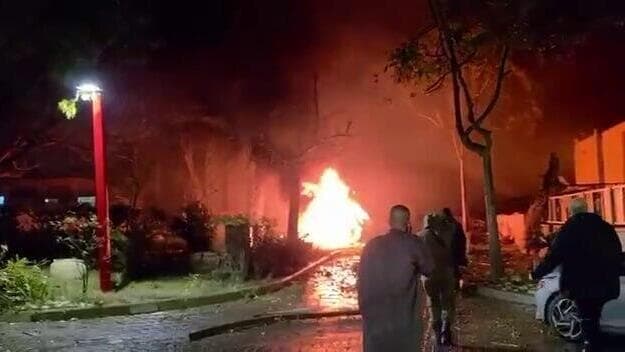
Iran Attacks Israeli Towns Dimona and Arad Near Israel's Main Nuclear Research Center, Dozens Wounded
43 sources compared
Iran Attacks Dimona in Retaliation for Natanz Strike
44 sources compared

Iran Attacks Diego Garcia with Long-Range Missiles, Targeting U.S.-UK Base
82 sources compared
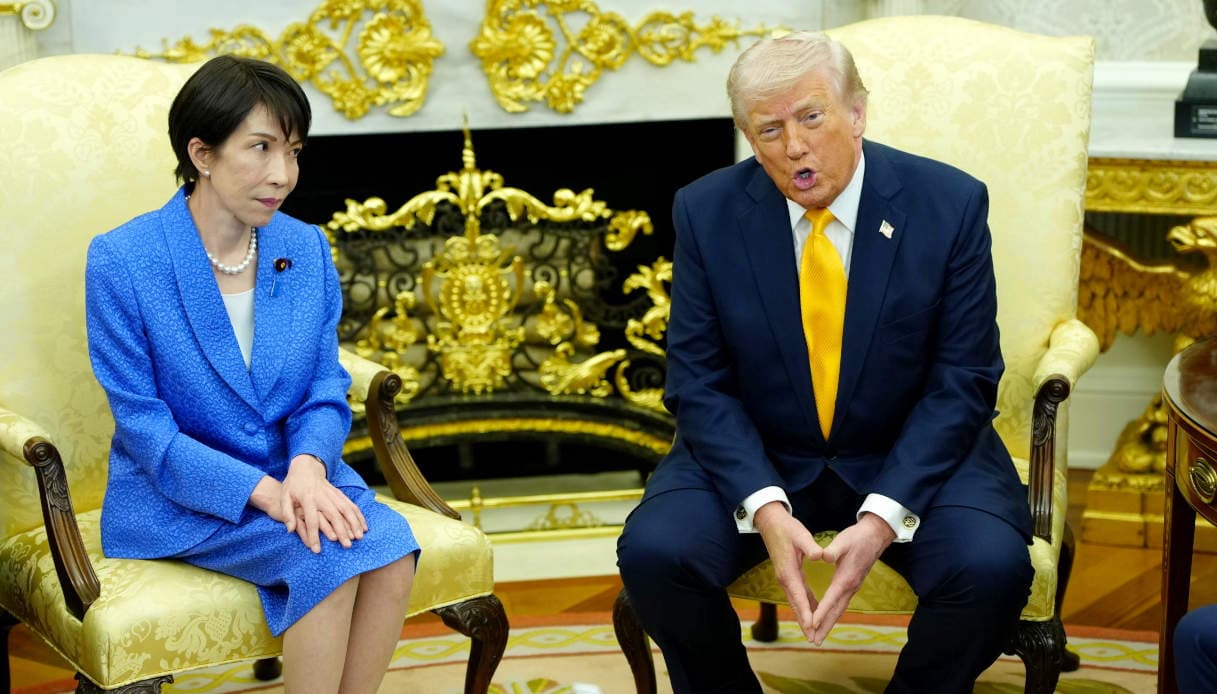
Trump Defends Iran War by Citing Pearl Harbor
12 sources compared