Iran02 November, 20262 min read
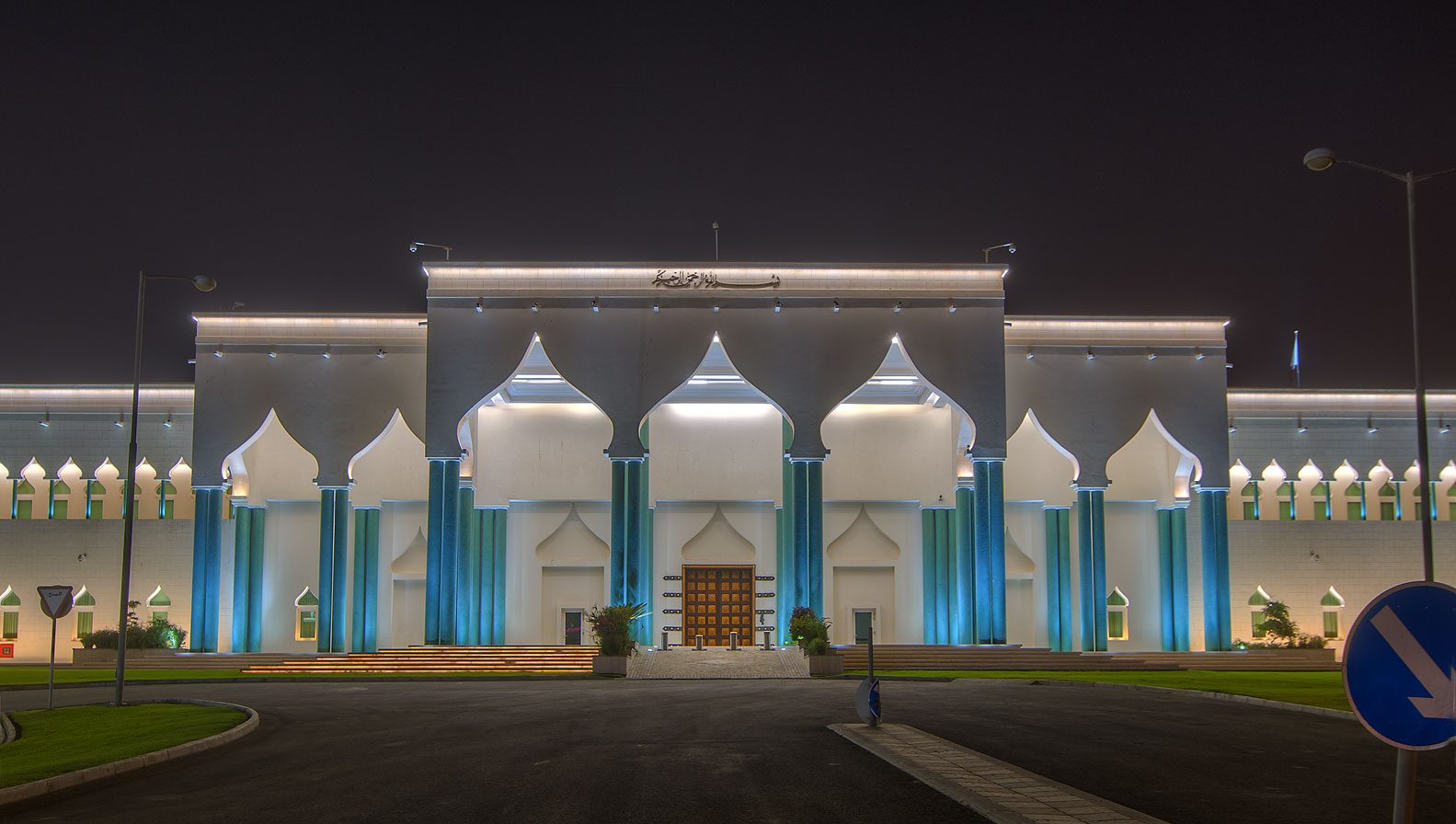
Archive photo · 9 March 2013Qatar Says It Worked With Washington To Contain Regional Escalation, Denies US-Iran Failure
4 West AsianPhoto: Alex Sergeev (www.asergeev.com), CC BY-SA 3.0 · Cropped for layout
This article is an automated aggregation of coverage from news outlets. Our editorials offer in-depth analysis curated by the NewsCord team.
Qatar says it worked with Washington to contain the regional escalation. Qatar denies reports of US-Iran talks failing; negotiations toward a deal continue.
Save coverage image
4 outlets in this story. Read their headlines below.
Qatar seeks talks
Qatar’s Prime Minister and Foreign Minister Sheikh Mohammed bin Abdulrahman bin Jassim Al Thani said Qatar has worked in recent weeks with the American administration to contain the situation in the region and that “we should not listen to the voices of extremists who want to derail the negotiation process.” Qatar’s Prime Minister added that the American administration’s intentions to reach a solution remain even after the midterm elections, while he stressed that the issue cannot be left unresolved and that another round of escalation in the region cannot be borne.
Qatar’s Foreign Ministry denied statements about the failure of the United States and Iran, describing such information as “untrue,” and it said Washington and Tehran are continuing to work toward reaching an agreement. Qatar’s Foreign Ministry also said promoting these claims only serves parties seeking to prolong the war and destabilize the region, as Doha continued mediation efforts to prevent things from spiraling out of control.
Trump call and nuclear link
Qatar’s Emir Sheikh Tamim bin Hamad Al Thani received a telephone call from U.S. President Donald Trump on Friday, November 6, 2026, as the two discussed regional developments and international efforts to support negotiations and reach an agreement that ends the crisis.
Qatar’s Emir stressed the need to continue dialogue and rely on diplomatic means to settle the disagreements, warning of the consequences of the region sliding into a new phase of escalation.
Tehran disclosed that it had sent a nuclear proposal to Washington via Qatari mediation, but it tied its discussion to fulfilling seven Iranian demands, while the American administration insisted that the nuclear issue must be present in any initial negotiations.
The reporting also said Trump announced he was about to make a decision soon regarding the future of the confrontation with Iran and did not rule out resuming military attacks, while a U.S. official said Central Command was completing preparations but had not yet received new orders.
Hormuz reopening conditions
Iran’s Foreign Minister عباس عراقجي said Tehran is conducting intensive consultations through intermediaries, including Qatar and Pakistan, to reach an agreement to reopen the Strait of Hormuz and resume negotiations with Washington, provided that the United States accepts Iran's conditions. President مسعود بيزشكيان announced that Supreme Leader مجتبى خامنئي has granted the government some authority to negotiate with Washington, and Beizkian said the Strait of Hormuz will be reopened and negotiations resumed if the United States accepts the conditions.
The reporting said Beizkian reiterated that shortening the time to implement the plan does not change Iran's core position, which is that returning to negotiations on the nuclear issue is not possible until all conditions are met. The same account said Trump rejected the seven-step proposal in September, and it added that oil prices fell by about 4 percent on Monday amid hopes that the latest round of mediation would lead to a diplomatic solution to the crisis.