Iranupdated 1h ago2 min read
Qatar Warns Cutting Hormuz Internet Access Would Affect Iran And Regional Neighbors
This article is an automated aggregation of coverage from news outlets. Our editorials offer in-depth analysis curated by the NewsCord team.
Cutting internet in Hormuz would affect Iran, neighboring states, and regional peoples. Qatar says Hormuz security is inseparable from regional security and pursues mediation.
7 outlets told this the same way.
Outlets did split on Iran’s IRGC Navy Mines Halt Two Tankers And Set Them Ablaze In Strait Of Hormuz →
Hormuz, Internet, and Iran
Qatar’s Ministry of Foreign Affairs warned that cutting internet access tied to the Strait of Hormuz would not be limited to one party, saying it would extend to Iran, its neighbors, and the peoples of the region. Ibrahim bin Sultan al-Hashimi, director of the Information and Public Communication at the Qatari Ministry of Foreign Affairs, said during the ministry’s weekly press briefing, "The security of Hormuz is indivisible, and everyone will be affected by cutting the Internet."
Al-Hashimi urged Iran to reassess its calculations and consider who would bear the greater cost if communications are disrupted or maritime movement in the region and international trade are harmed. Al-Hashimi also said Qatar’s mediation role continues, adding that communications, visits, and exchange of messages among the concerned parties have not stopped despite the deadlock in negotiations.

Cables, mines, and navigation
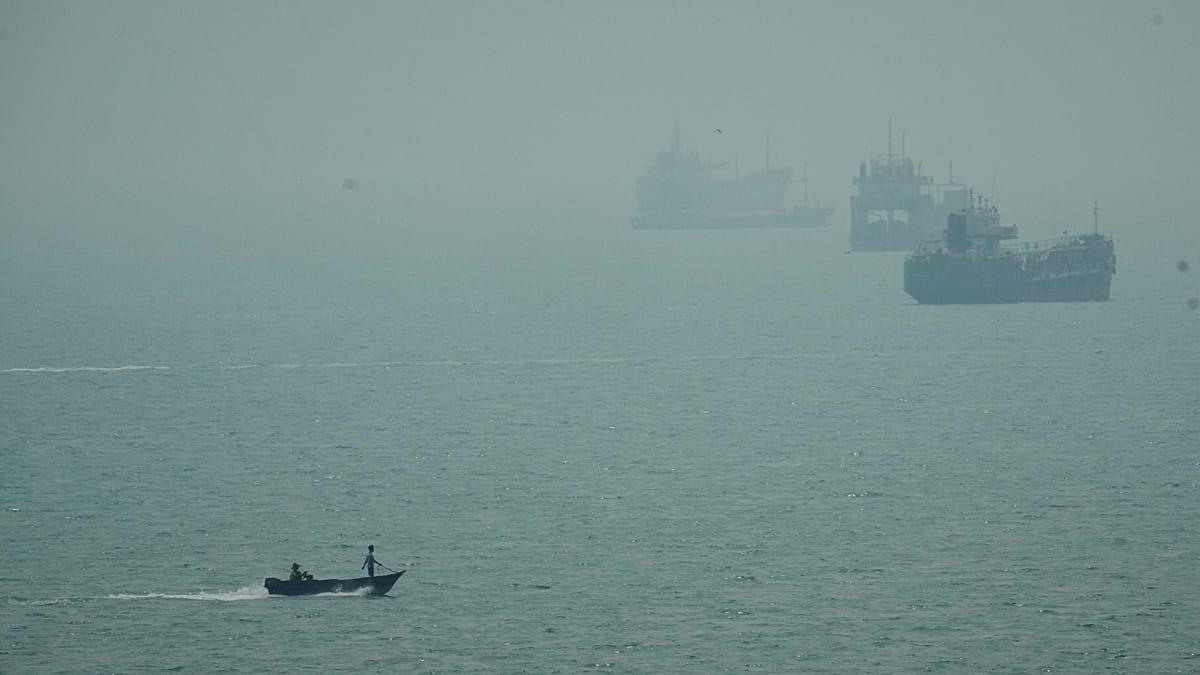
The spokesperson for the Iranian Revolutionary Guard Corps, Hussein Mahbi, said seven main internet cables pass under the Strait of Hormuz and pointed to “new targets” and “new weapons.” Qatar’s officials tied the Strait’s security to navigation, the marine environment, and water sources, warning that mine incidents, oil spills, or disruption of navigation could cause damages beyond the borders of the country where the damage occurs.
Ibrahim bin Sultan al-Hashimi said Qatar’s priority is to end the escalation and reopen the Strait of Hormuz, while warning that prolonging the crisis would raise its cost for the region and the world. Al-Hashimi said Doha hopes to reach a solution today or tomorrow and continues to work tirelessly with the concerned parties, while not setting a final date for negotiations.
Mediation alongside defense
Qatar’s Deputy Prime Minister and Minister of State for Defense Affairs, Sheikh Saud bin Abdulrahman bin Hassan Al Thani, said during the opening of the Global Security Forum in Doha that Qatari mediation aims to prevent wars and conflicts. Sheikh Saud bin Abdulrahman Al Thani rejected imposing transit fees in the Strait of Hormuz, and he said Qatar’s stance and that of the Gulf Cooperation Council is clear in rejecting such fees.
Sheikh Saud bin Abdulrahman Al Thani said Qatar will soon announce the establishment of a local defense production center, and he described partnership plans involving the United States, the United Kingdom, and France. Al-Hashimi framed Qatar’s approach as complementary tracks, saying the solution will not be military and warning that the diplomatic track is the path to overcoming the crisis.