Technology and Scienceupdated 24m ago2 min read
Archive photo · 10 January 2019RAF Chief Sir Harv Smyth Says Tempest Could Be Britain’s Last Crewed Fighter Jet
5 Other3 Western Mainstream1 AsianPhoto: Jack Eckersley / UK Government and Number 10, OGL v1.0 · Cropped for layout
This article is an automated aggregation of coverage from news outlets. Our editorials offer in-depth analysis curated by the NewsCord team.
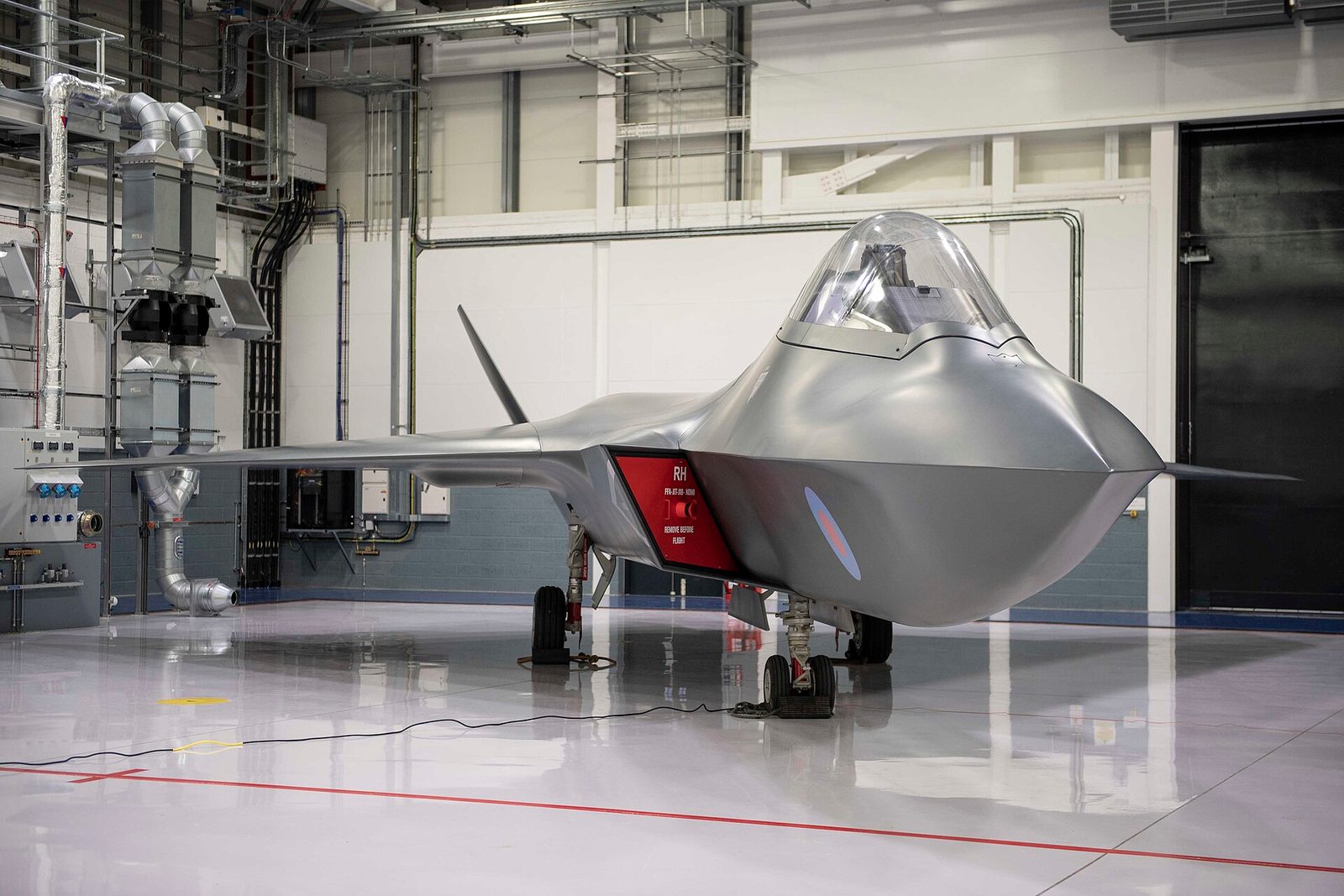
Tempest could be Britain's last crewed fighter jet. AI-enabled uncrewed aircraft will transform military aviation.
Save coverage image
Tempest and the last cockpit
Air Chief Marshal Sir Harv Smyth said Britain’s next-generation fighter jet under the Global Combat Air Programme could be the Royal Air Force’s last manned combat aircraft the UK builds, as AI-enabled uncrewed aircraft would “transform military aviation”. Smyth tied the claim to GCAP’s sixth-generation fighter, commonly known as Tempest, which he said is expected to enter service by 2035 and is being developed by a partnership between the UK, Italy and Japan. Smyth said the GCAP aircraft is expected to use advanced sensors and AI to assist the human pilot when they are overwhelmed or under extreme stress, while also arguing that technology should enhance human judgement and “not replace accountability”.
Smyth added that “Uncrewed fighter jets will start flying in UK airspace next year”, and he said the future RAF would combine Typhoons and F-35s with autonomous systems. The Telegraph framing of Smyth’s remarks described GCAP as “perhaps the last crewed fighter we will ever build”, and the BBC said Smyth wrote that AI and machines would take on “the most dangerous tasks instead of humans”.
Contracts, jobs, and observers
The UK government says the project already supports 3,500 jobs and 1,000 apprenticeships, and Canada was granted “observer nation” status in July. Smyth said the shift would not make people less important, and he argued that autonomy should reshape air combat around pilots rather than remove accountability.
The Telegraph said the RAF used a Protector drone to monitor Russian warships and foreign vessels in the English Channel for the first time in October, and it said the unmanned drone was one of 16 procured by the RAF. Prime Minister Andy Burnham said the UK government would “seek to progress” Germany joining GCAP, and the BBC said Burnham linked the partnership to cooperation on “countering hybrid attacks” and “countering interference in our democratic processes”.
What changes next
Smyth said the RAF’s future mix would combine Typhoons and F-35s with autonomous systems, and he described AI-enabled uncrewed aircraft as taking on “the most dangerous tasks instead of humans”. Used properly, AI and machines will tackle the most dangerous tasks instead of humans, but technology must enhance human judgment, not replace accountability. The Telegraph said Smyth wrote that uncrewed fighter jets would begin flying in UK airspace next year, and it said he argued that investment was essential to secure the RAF’s transformation into a more high-tech fighting force.
The Telegraph also said Smyth described space as “a new battleground” because modern life including navigation, banking and national security depends on satellites, and it said Wes Streeting pledged nearly £1bn to help prevent attacks on British satellites. The Telegraph said Smyth told the Royal United Services Institute in October that AI had gained the equivalent of 50 years of “human air combat training and experience” in just 14 days during a recent simulation, and it said he concluded that the RAF would “ensure they have excellent equipment, training and support” to deter and, if deterrence fails, to “fly, fight and win”.