Russia and China Block UN Security Council Review of Iran Sanctions Snapback Mechanism
Key Takeaways
- Russia and China blocked the UNSC plan to review Iran sanctions under the snapback mechanism.
- China and Russia say Resolution 2231 expired in October 2025, ending the Iranian dossier.
- Western-led drive to review sanctions met Moscow/Beijing opposition, revealing ongoing UNSC split.
Snapback dispute at UN
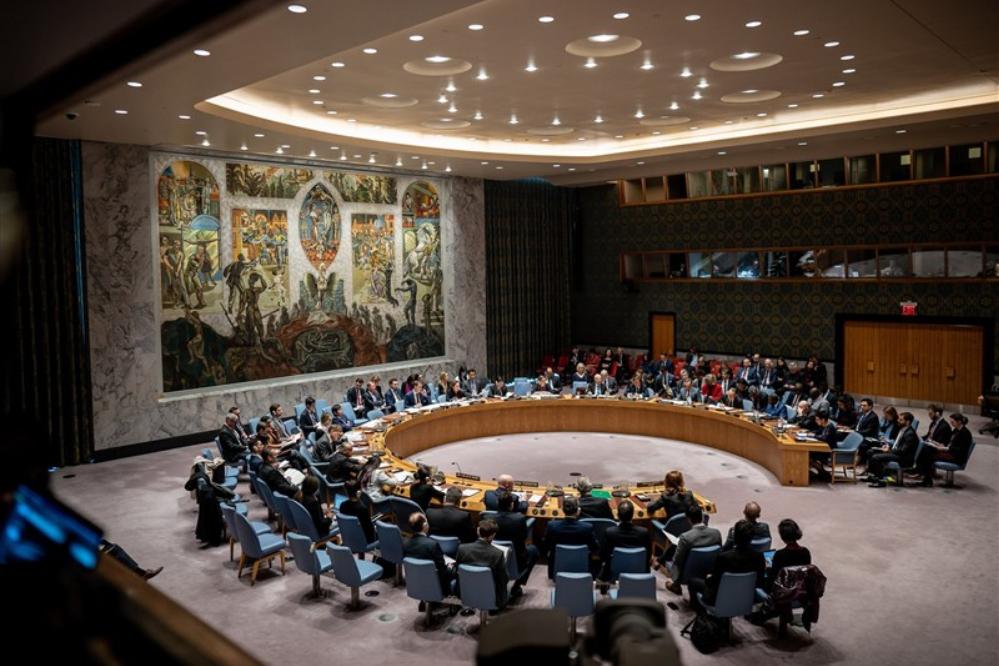
The United Nations Security Council held a Tuesday session on the activities of the 1737 Sanctions Committee concerning Iran, but Russia and China objected to holding the meeting and argued that the sanctions committee no longer exists and that the Security Council had already concluded its consideration of the Iranian nuclear file after the expiry of Resolution 2231 (2015) in October last year.
Russia’s permanent representative to the United Nations, Vasily Nebenzia, said the snapback mechanism had not been legally activated and stressed that the Security Council has finished its review of the Iranian nuclear issue, while the Chinese envoy called for respecting the provisions of Resolution 2231 and working to create conditions for a political settlement.

By contrast, the United States, France, and the United Kingdom said the sanctions reimposition mechanism had been activated and that UN sanctions on Iran had come back into force as of September 2025, with U.S. envoy Tami Bruce saying the Security Council still has a clear mandate to activate the sanctions committee and its expert panel.
The procedural vote to hold the meeting and adopt the agenda passed with 11 members voting in favor, while Russia and China voted against it and Pakistan and Somalia abstained, as the session unfolded amid rising regional tensions following the latest military confrontation between Iran, Israel, and the United States.
Competing claims and quotes
In the session, Sun Li, China’s deputy permanent representative to the United Nations, accused Western countries of trying to push this path unilaterally and warned that the threat of using force or resorting to war could place the Iranian nuclear file and the Middle East situation on a 'dangerous path.'
Russia’s ambassador to the United Nations, Vassily Nebenzia, said Resolution 2231, adopted in 2015, expired in October 2025 and that the automatic mechanism to reimpose sanctions on Iran 'has not been activated for several reasons.'
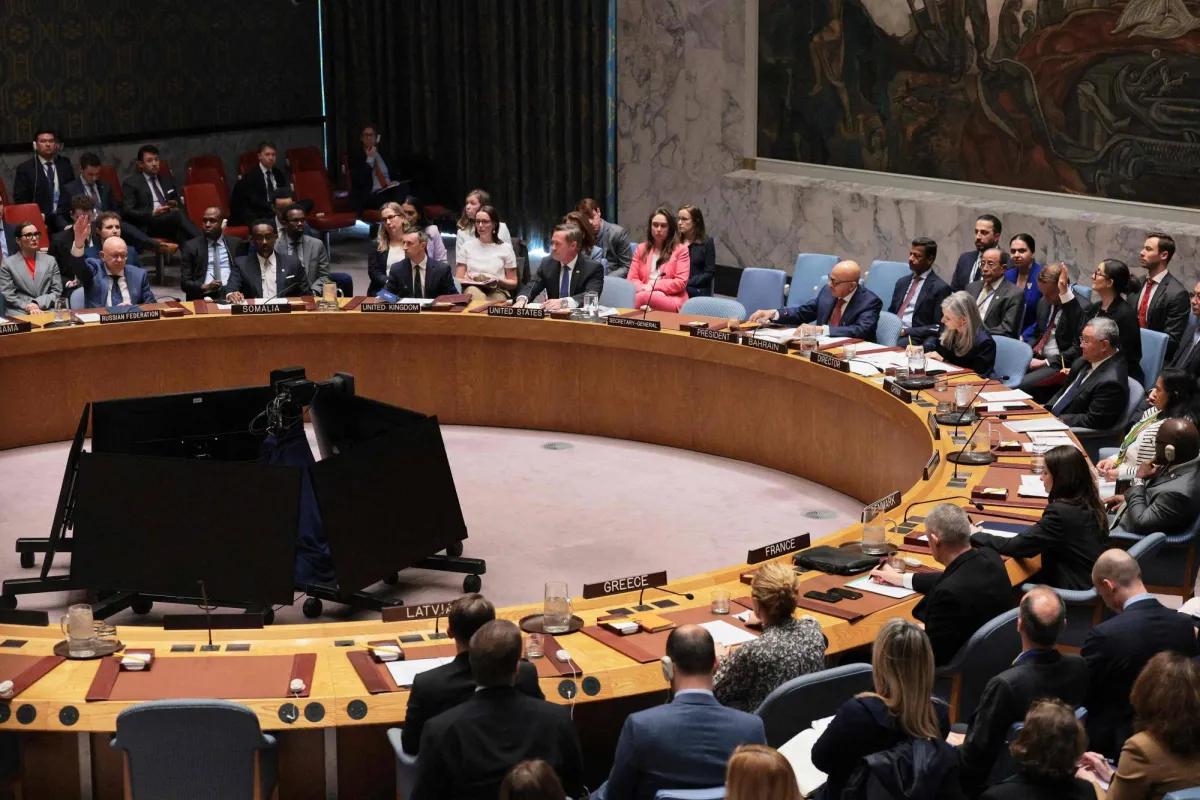
The United States rejected those claims, with Deputy U.S. Ambassador to the United Nations, Tammy Bruce, saying that the 'obstruction' by Russia and China prevented the Council president from delivering the quarterly report on the implementation of sanctions related to the Iranian nuclear program.
Britain’s ambassador to the United Nations, James Kariuki, stressed that the reimposition of sanctions was based on previous Security Council resolutions and said all United Nations member states are obligated to implement these sanctions 'fully and without any exception,' while France’s ambassador, Jérôme Bonafont, supported the agenda and pointed to IAEA reports on Tehran’s nuclear obligations.
Oversight vacuum and next steps
Liberia warned that the ongoing disagreements within the Security Council over the status of sanctions on Iran create an oversight vacuum that hampers monitoring of the Iranian nuclear program, describing a dual crisis of a fragile security situation in the region and legal and procedural disagreements among its members.
Liberia’s envoy urged the Secretary-General to establish a temporary reporting mechanism under the Secretariat's supervision until consensus is reached within the Council, and also called for strengthening communication channels among the parties involved and launching a time-bound negotiating path to address issues related to the nuclear program and regional security.
The dispute over institutional authority continued to shape the Council’s actions, with Russia arguing that from October 17, 2025, the Security Council no longer has a mandate to review these issues, while the British representative argued that blocking Security Council discussions on these vital matters and weakening the UN arms embargo does not bring the parties closer to a solution.
The stakes were framed in terms of whether the Council can keep collective action moving, as the Liberian warning linked the deadlock over the sanctions committee to one of the Council’s most significant institutional challenges and the U.S. position tied ongoing attention to unresolved safeguards issues with the IAEA.
More on Iran
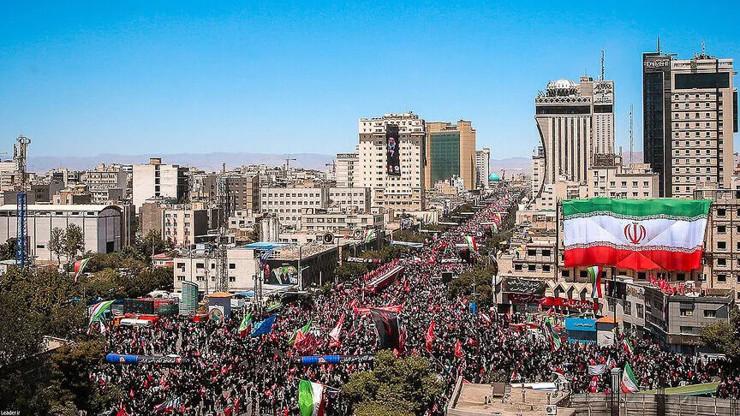
Israeli Strike Kills Ayatollah Ali Khamenei, Buried at Imam Reza Shrine in Mashhad
19 sources compared
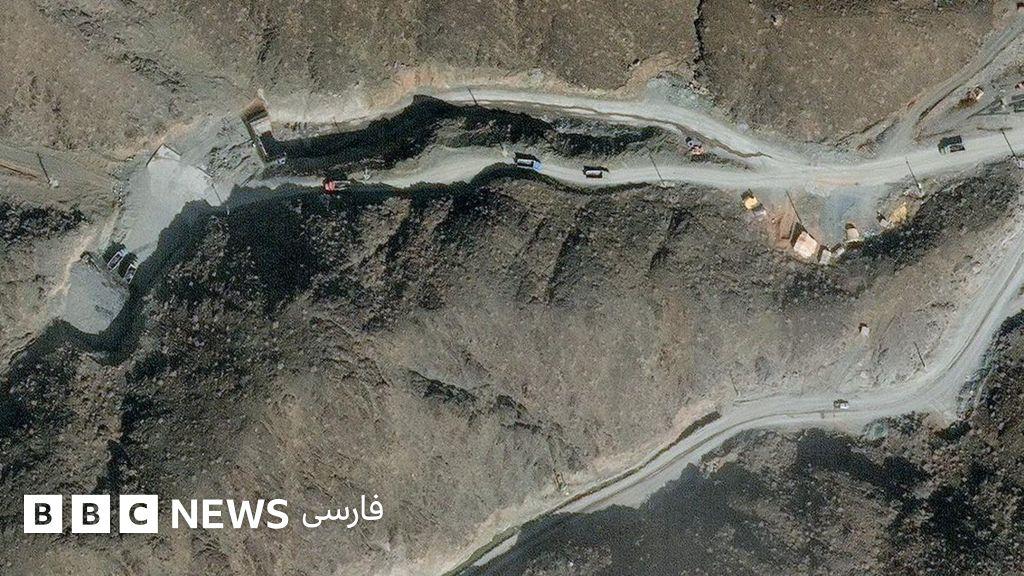
Iran Attempts To Restore Nuclear Sites Damaged In US And Israel Strikes, CNN Satellite Images Show
15 sources compared
Abbas Araghchi and Prince Faisal Bin Farhan Discuss Regional Developments After US Attacks
11 sources compared

Trump Says U.S. Agreed to Continue Iran Talks, Ceasefire Is Over
19 sources compared